
After 20 years of waiting, they're finally here! The first scientific images were released from the James Webb Space Telescope. One image was revealed on Monday afternoon, and the rest were shown off early Tuesday morning. Among the collection, there was a deep field image of a gravitational lensing galaxy cluster, the planetary nebula surrounding a dying star, a star-forming region in the Carina nebula, a group of galaxies called Stephan's Quintet, and spectra from an exoplanet.
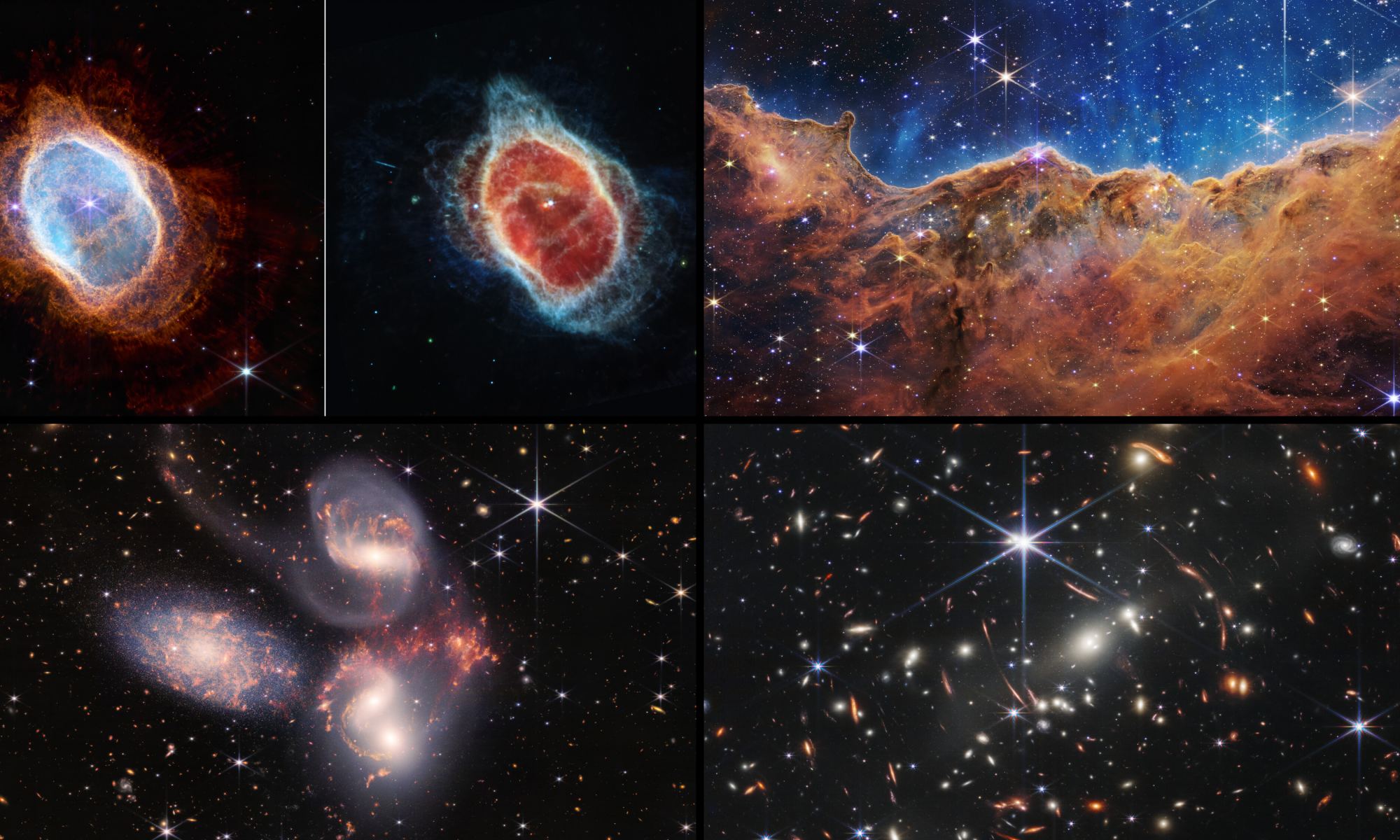
They’re Here! Check out the First Images From the James Webb Space Telescope!
It was an incredible day, and we released a video that focused on explaining the images, which I think you'll enjoy. Check it out!
Thanks!
Fraser Cain
Publisher
Universe Today
As always, if you have comments or questions, or suggestions on how I can improve this newsletter, please don't hesitate to reply this email or email me at [email protected].

This work is licensed under a Creative Commons Attribution 4.0 International License.

Patrons, don't forget to log in to Universe Today. That'll remove all the ads for you. Join the 1099 Patrons who get our videos early, see behind the scenes, and get no ads on Universe Today.
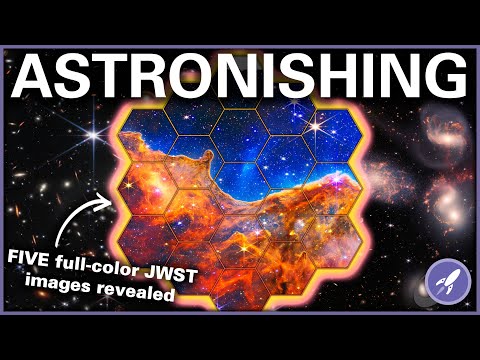
JWST First Full-Color Images Explained
NASA finally released James Webb's first full-color images. We have 5 great photos of different regions of space. So, in this video we're digesting all the great pictures we got from JWST.
Subscribe to our podcasts:
Universe Today Guide to Space Audio: iTunes - RSS - YouTube
Audio versions of all the media I upload to my YouTube channel, as well as bonus content, behind the scenes, interviews with Fraser and more
Astronomy Cast: iTunes - RSS - YouTube
Your weekly facts-based journey through the cosmos, which I co-host with astronomer Dr. Pamela Gay. We have episodes on every concept in space and astronomy, from black holes to the history of astronomy.
Weekly Space Hangout: iTunes - RSS - YouTube
A weekly round-up of all the breaking space news. Rocket launches, new discoveries from Hubble, and planetary science by a round table of scientists and space journalists.
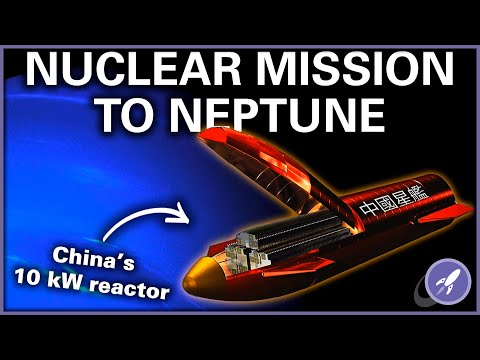
Booster 7's BOOM, Nuclear Mission to Neptune, More JWST Images | Space Bites
Even more pictures from James Webb Space Telescope, China's planning a mission to Neptune, SpaceX's Booster 7 suffers from an explosion, black holes are messy eaters, going under Europa's ice crust and more.
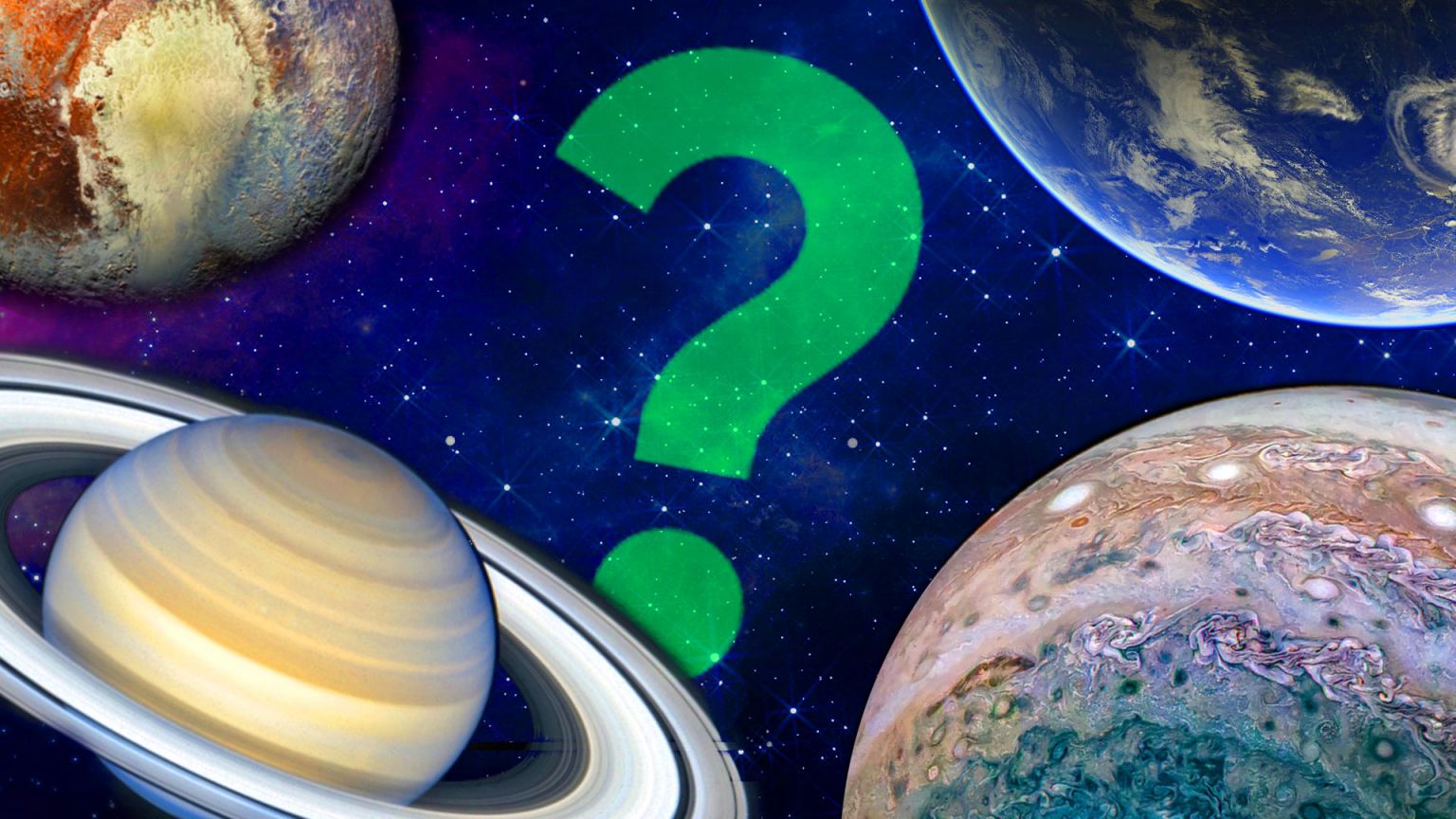
Most Outstanding Feature of the Solar System. It’s Not What You Think
We live in an amazing Solar System with a wide variety of worlds. Each world has its own unique features, like the mountains and valleys on Mars, and the incredible rings around Saturn. Even Earth is special because of the diversity of its life. If aliens showed up and asked for a tour, what feature would they decide is truly the most outstanding feature of the Solar System? I promise the answer will surprise you.
Read the full story by Anton Pozdnyakov
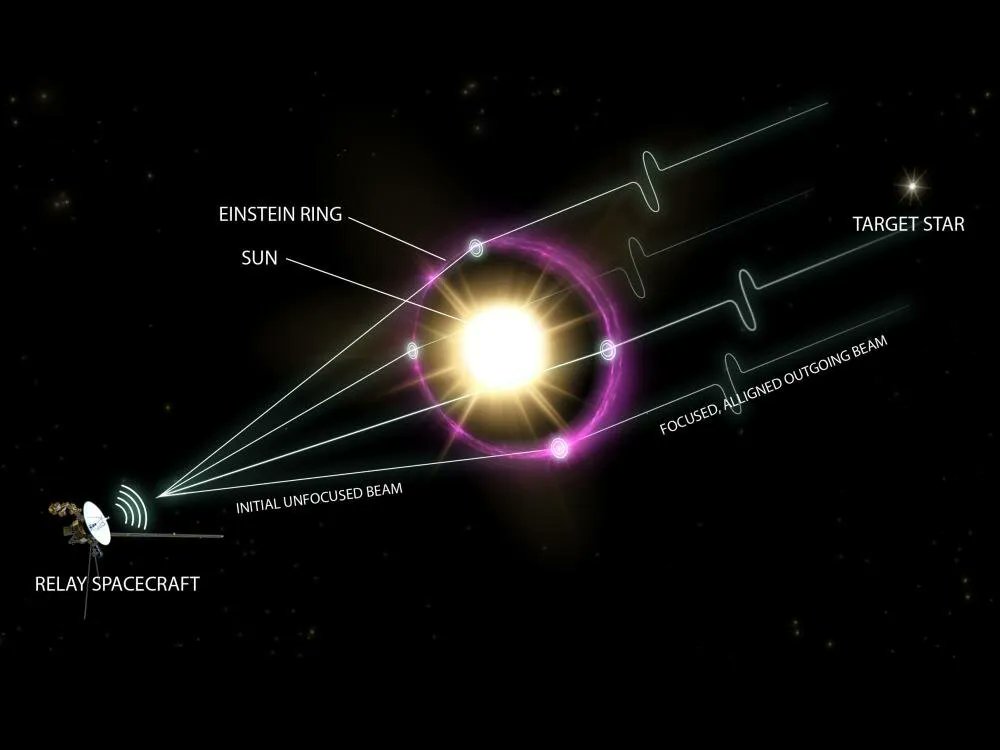
Snooping on Alien Messages Passing Through the Solar System
If there's a vast civilization of aliens out there, they could be communicating with one another from star to star. If their signals pass through the Solar System, there's a way we might be able to intercept their signals and hear what they're saying. According to a new study, by traveling out to the Solar Gravitational Lens region, about 550 light-years from Earth, the Sun's gravity acts as a natural lens, focusing the light from another star system, including radio transmissions.
Read the full story by Laurence Tognetti
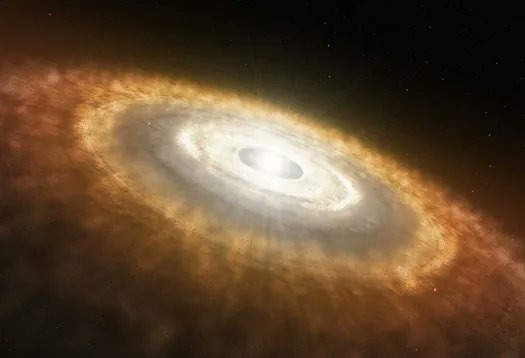
When did the Sun Blow Away the Solar Nebula?
The Sun and planets formed from a giant cloud of gas and dust known as the solar nebula. As the Sun gathered matter, it started to heat up, generating fusion in its core and releasing radiation into the Universe. The light pressure from the Sun blew away the remaining material in the solar nebula, dissipating it all away. But when did this happen in the Sun's history? New evidence shows that the Sun had cleared out the material about 4 million years after its birth.
Read the full story by Carolyn Collins Petersen
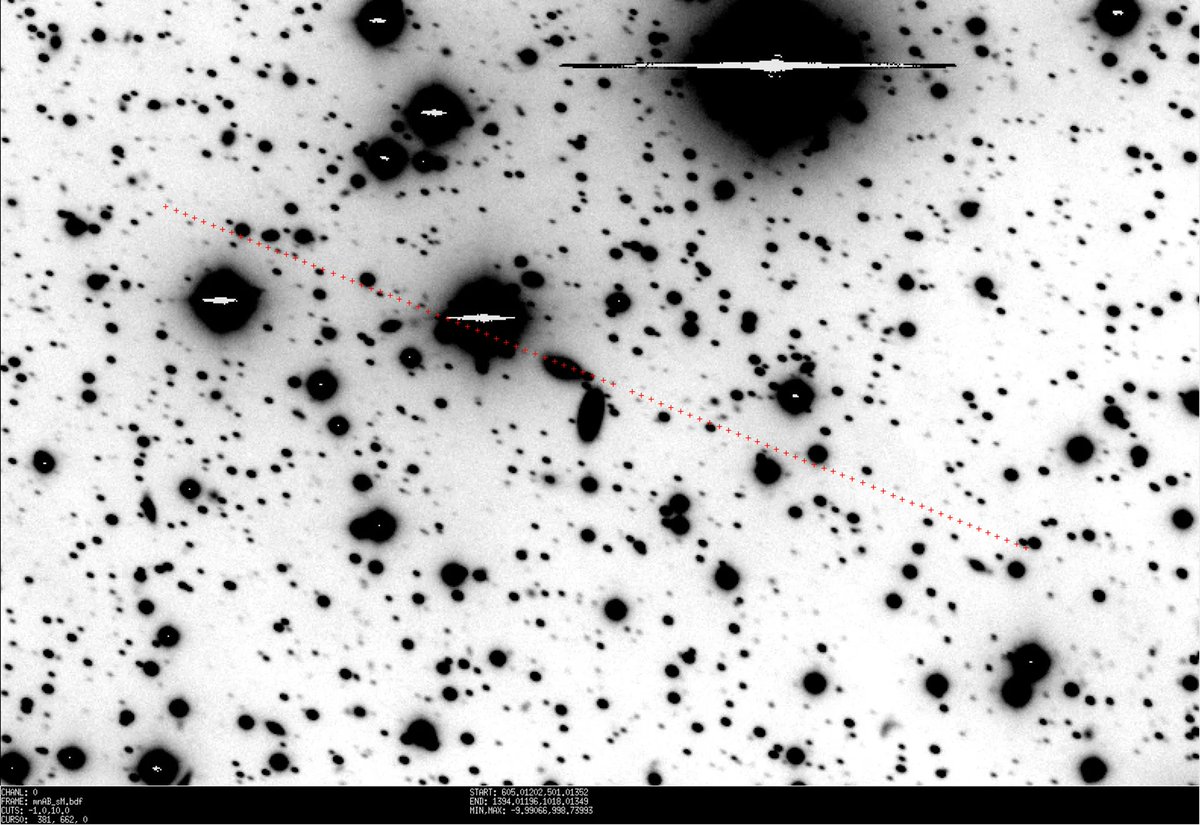
The Most Threatening Asteroid Just got Downgraded to “Harmless”. No Impact in 2052
Astronomers recently discovered a potentially dangerous asteroid called 2021 QM1. Unfortunately, it passed behind the Sun before accurate predictions could be made about its future trajectory. For a while, this 50-meter-sized object was the most threatening asteroid ever detected, predicted to pass close to the Earth in 2052. As soon as it appeared on the other side of the Sun, astronomers turned one of the biggest telescopes on Earth on it and downgraded it to harmless.
Read the full story by Andy Tomaswick
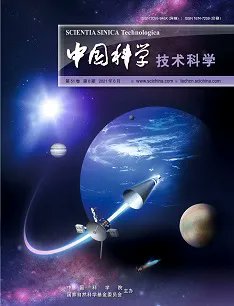
China is Considering a Nuclear-Powered Mission to Neptune
NASA and ESA have no plans to send a mission to Neptune in the following decades, but another country has stepped forward: China. The Chinese National Space Agency announced its plans to send a nuclear-powered orbiter to Neptune to study the planet, its rings, and moons. In addition to the main spacecraft, it'll carry several smaller probes which will be deployed into the atmosphere or Neptune or to visit its moon Triton. If could launch by 2030, arriving in 2036.
Read the full story by Matt Williams
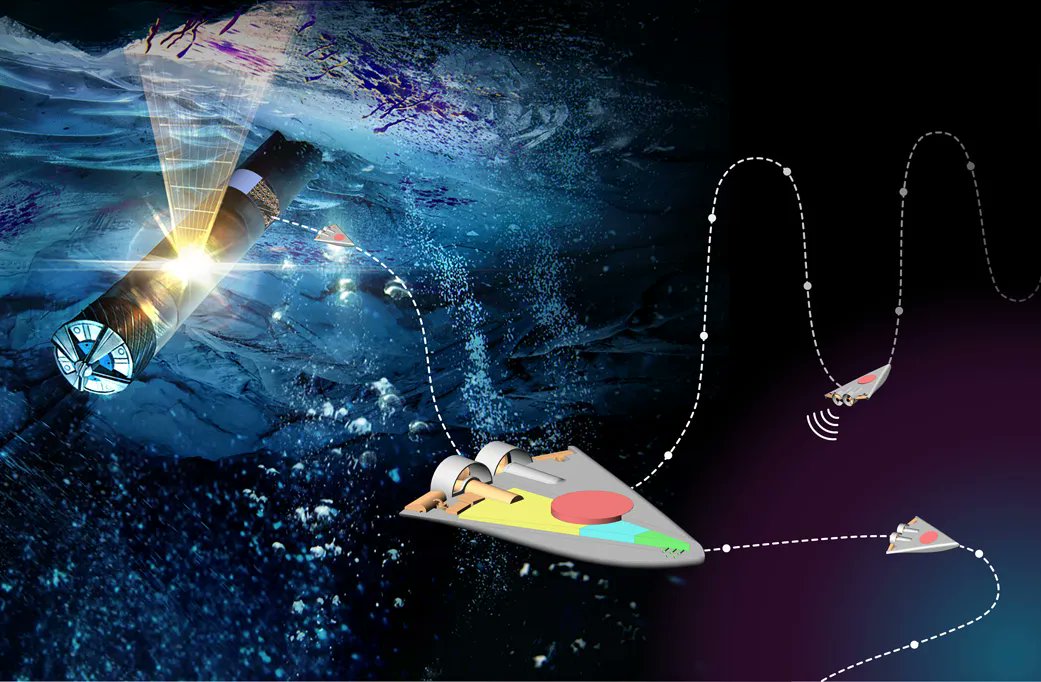
A Swarm of Swimming Robots to Search for Life Under the Ice on Europa
Europa is one of the most fascinating worlds in the Solar System. Underneath kilometers of ice, there's probably an ocean of liquid water. Could there be life down there? A new NASA NIAC grant has awarded a team $125,000 to investigate how a future mission could melt down through the ice on Europa and then release a fleet of swimming cryobots that could explore the ocean for evidence of life. These cell phone-sized swimmers could operate independently or work together in schools to share their science instruments.
Read the full story by Evan Gough
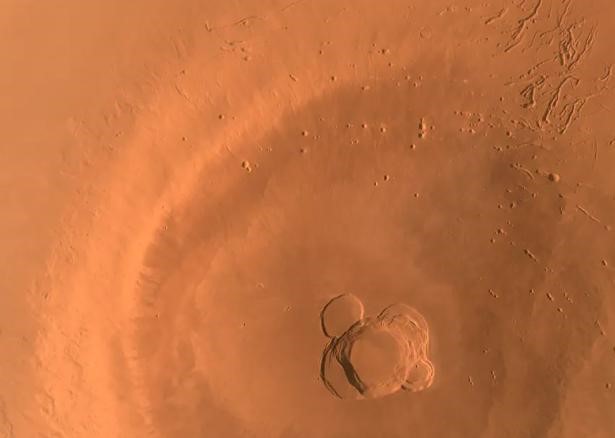
China’s Tianwen-1 has Imaged the Entire Surface of Mars, Completing its Primary Mission
China's Tianwen-1 spacecraft has been orbiting Mars for over a year, and the Chinese Space Agency announced at the end of June that it had completed its primary mission taking medium-resolution images of the entire planet. The orbiter has sent home 1,040 gigabytes of raw scientific data, which scientists are now studying. The lander/rover that few with it has been exploring the surface of Mars, finding hydrated minerals in sediment that's associated with groundwater. China has hinted that they'll be sending humans to Mars by 2033.
Read the full story by Laurence Tognetti
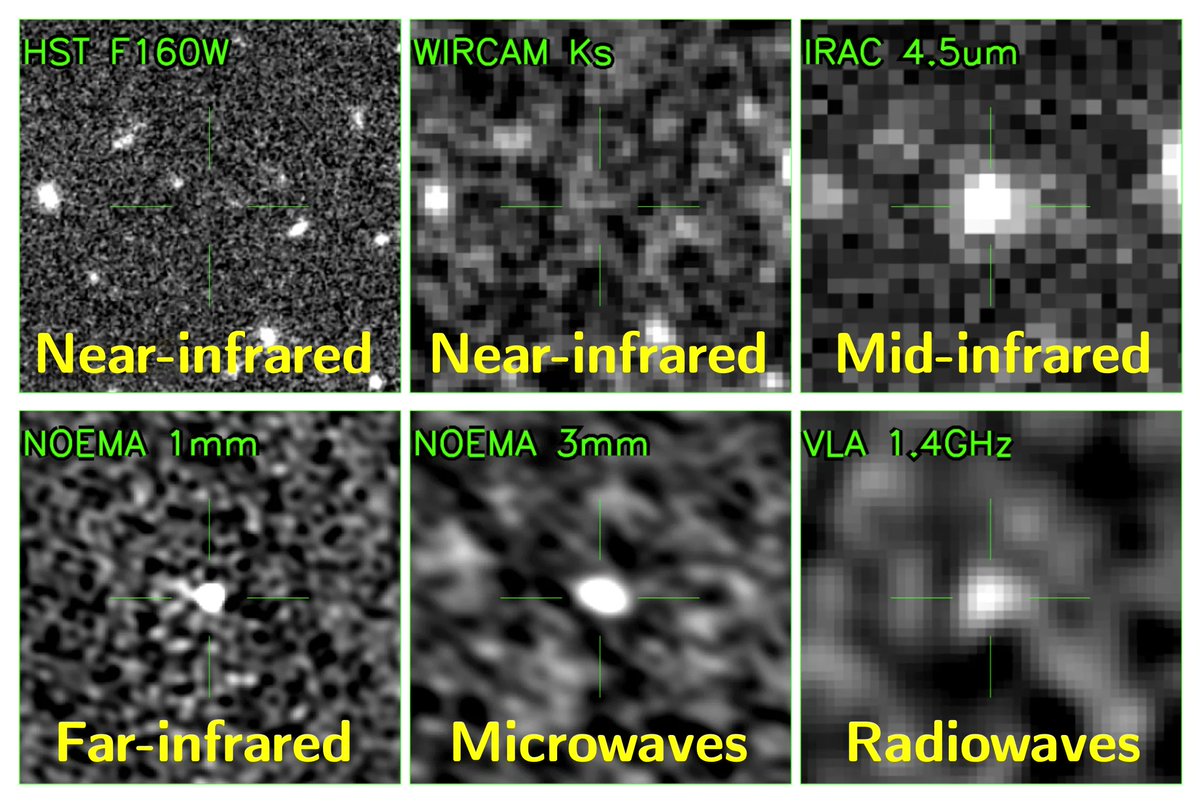
Dusty Dark Galaxies in the Early Universe Revealed in Various Wavelengths
James Webb isn't the only telescope observing distant galaxies in the Universe. Astronomers at the Cosmic Dawn Center in Copenhagen recently observed several galaxies in a range of wavelengths, from radio, through microwave, and into the infrared. These wavelengths allowed the astronomers to peer through the obscuring gas and dust, revealing the galaxies as they were just 1-2 billion years after the Big Bang.
Read the full story by Carolyn Collins Petersen
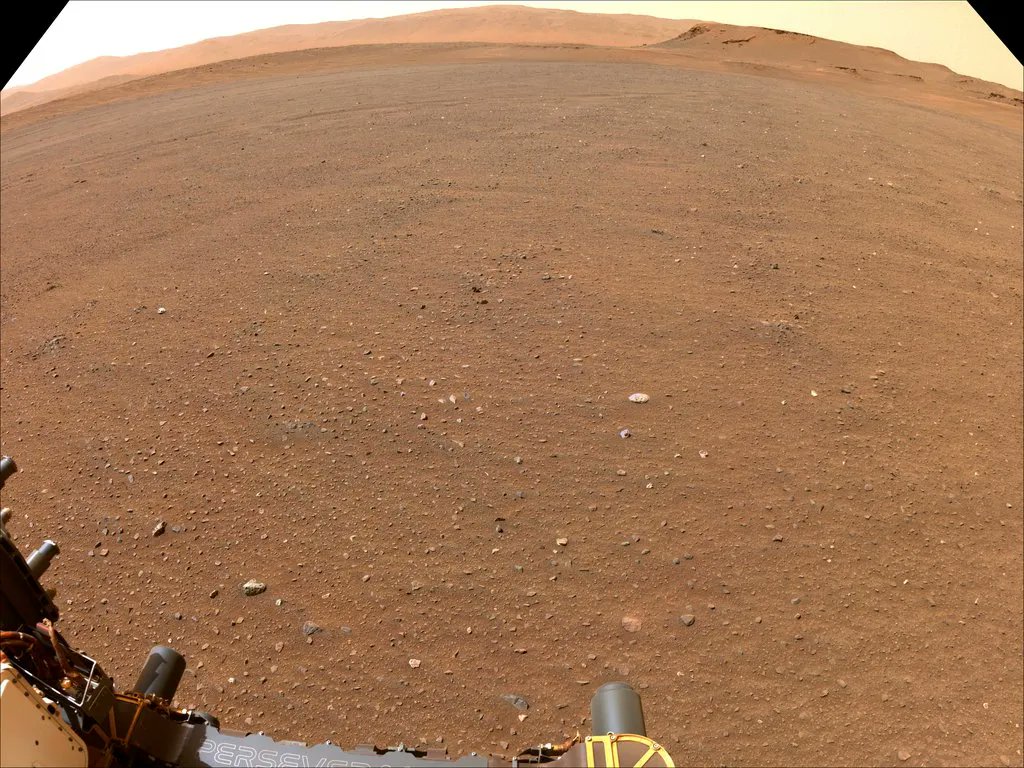
Perseverance is Searching for the Perfect Landing Spot for the Upcoming Sample Return Mission
NASA's Perseverance Rover has several jobs, including searching the surface of Mars for past and current evidence for the chemicals of life. But one of its other jobs is to scout the landscape for the perfect landing spot for NASA's upcoming Mars Sample Return mission. If all goes well, this spacecraft will land in the area in the 2030s, collecting all of the samples that Perseverance has been taking and returning them to Earth. The landing spot needs to be flat, lander-friendly terrain near Perseverance's path.
Read the full story by Laurence Tognetti
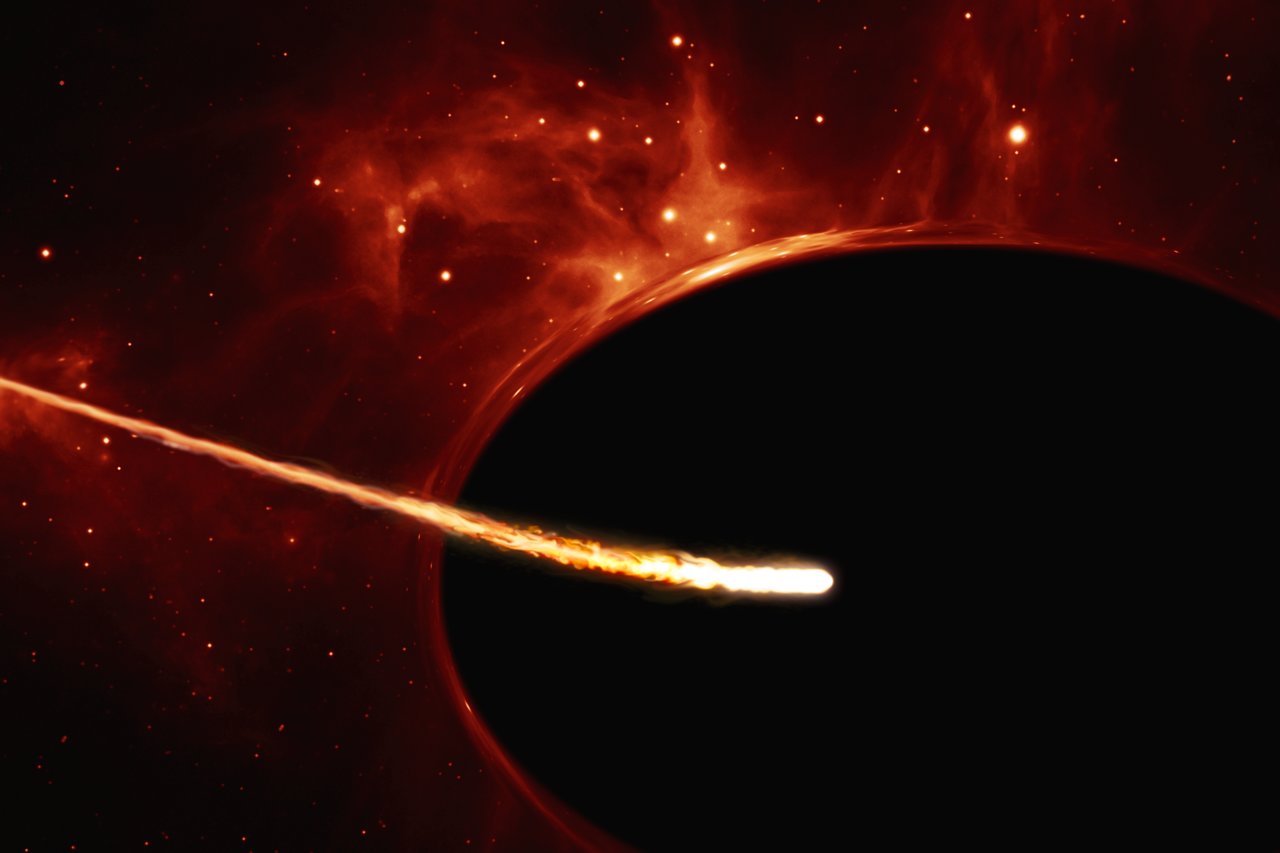
A Star Came too Close to a Black Hole and was Torn Apart. Surprisingly Little Actually Went In
When a star gets too close to a supermassive black hole, it gets torn apart. You'd assume the material would be sucked into the black hole, lost forever. Astronomers watched this happen in a distant galaxy, and much to their surprise, most of the material flew out of the black hole's accretion disk and off into space. It appears that black holes are pretty sloppy eaters, consuming very little of the stars they destroy.
Read the full story by Carolyn Collins Petersen
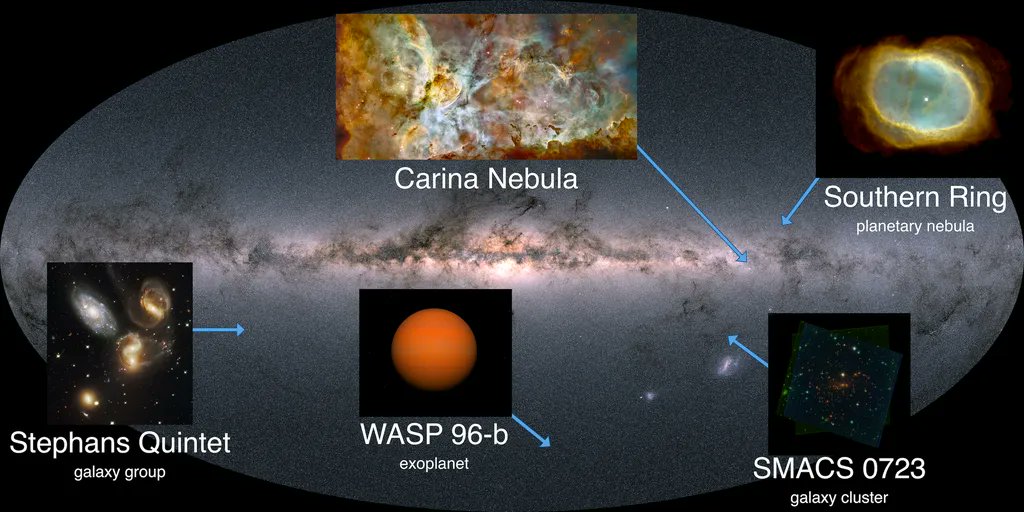
Here are the Locations in the sky for the First JWST Images
Just before we got those first images from Webb, a data scientist named Tony Rice shared a map of which parts of the sky the photos had been taken from. Rice used an all-sky image from ESA's Gaia survey and then pointed out where each object was in the sky. Rice is a volunteer with NASA's JPL's Solar System Ambassadors and has helped to communicate astronomy with the public.
Read the full story by Matt Williams
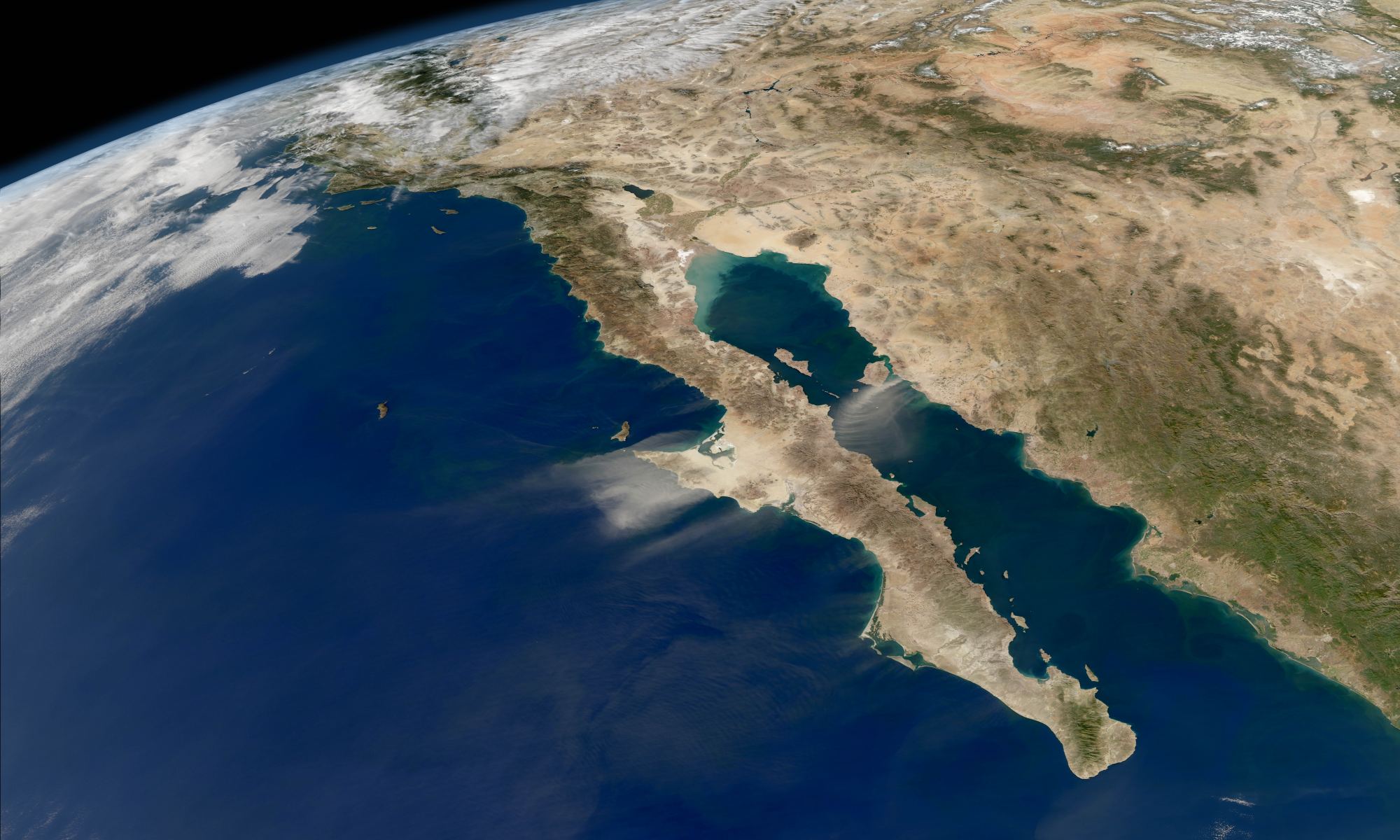
A New Instrument is Going to the ISS to Study the Climate Impact of Dust in Earth’s Upper Atmosphere
A new instrument is on its way to the International Space Station called the Earth Surface Mineral Dust Source Investigation (or EMIT). From its perch on the ISS, the instrument will scan the Earth's surface, searching for the telltale signature of dust. This dust starts in the desert and is then carried into the atmosphere by high winds and transported across the planet, falling thousands of kilometers from its source. EMIT can scan the dust and help scientists trace it to where it came from.
Read the full story by Carolyn Collins Petersen
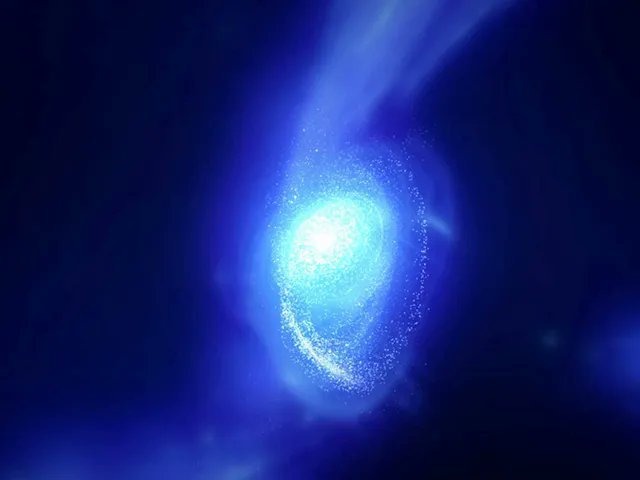
The Earliest Galaxies Rotated Slowly, Revving up Over Billions of Years
Astronomers used the Atacama Large Millimeter Array (ALMA) telescope to peer back to an earlier time in the Universe. They observed a galaxy rotating very slowly, much slower than present-day galaxies. While modern galaxies like the Milky Way can turn at 200 km/s, this ancient galaxy was only rotating at 50 km/s. These results suggest that galaxies start small and rotate slowly and then accumulate matter over time and speed up their rotation rate.
Read the full story by Paul M. Sutter
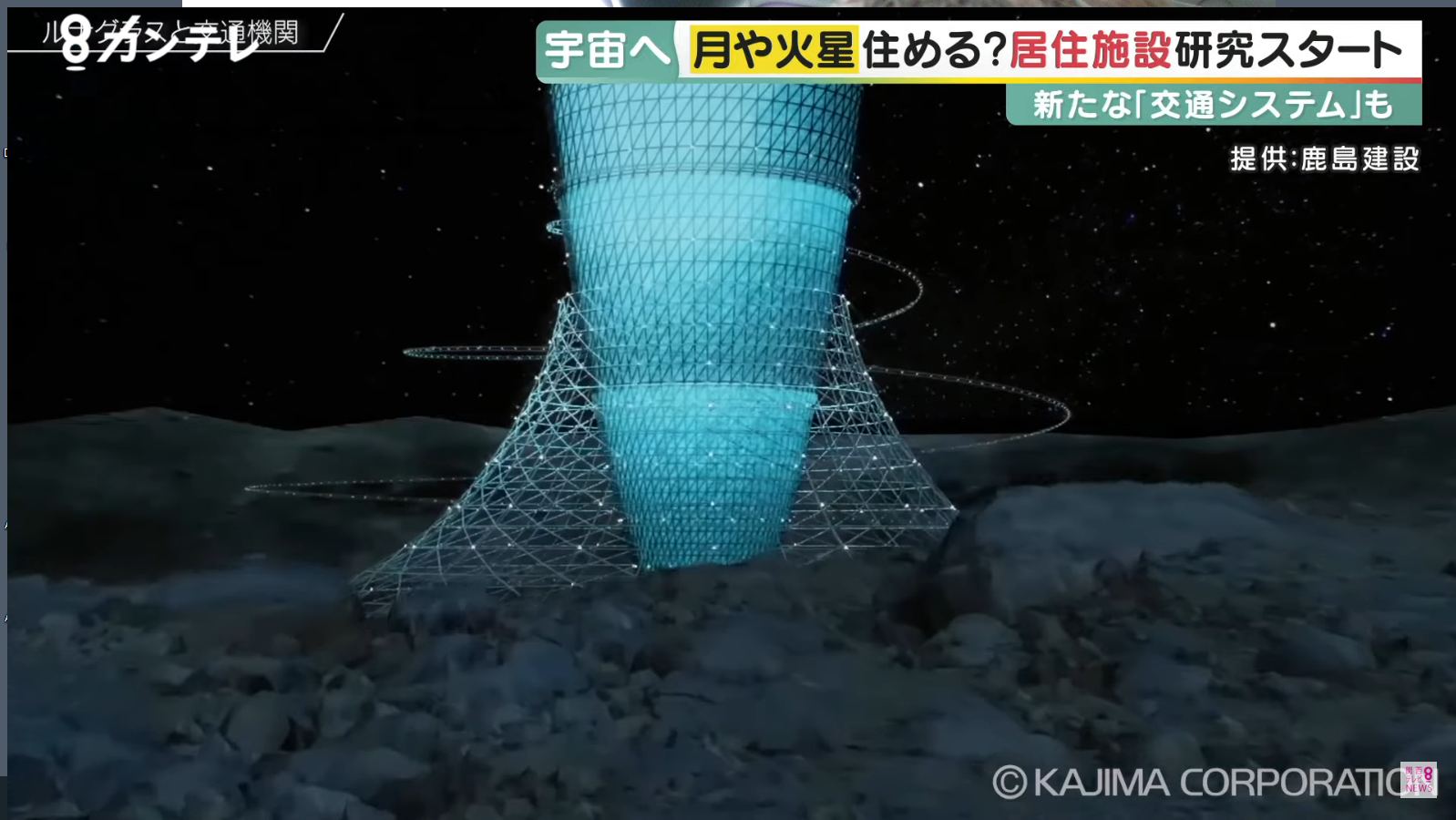
To get Artificial Gravity on the Moon, you'd Need a Giant Rotating Lunar Base
One day we'll have a permanent settlement on the Moon, but we'll have to overcome some serious challenges. The total lack of air, the harsh vacuum, and the constant radiation bombarding the surface. We should be able to deal with all of those, but one will be tricky: the 1/6th Earth gravity. Japanese researchers have proposed an artificial gravity habitat for the Moon using a giant rotating station. Anyone inside the station would experience some gravity from the Moon and some from the rotation, adding to regular Earth gravity.
Read the full story by Matt Williams
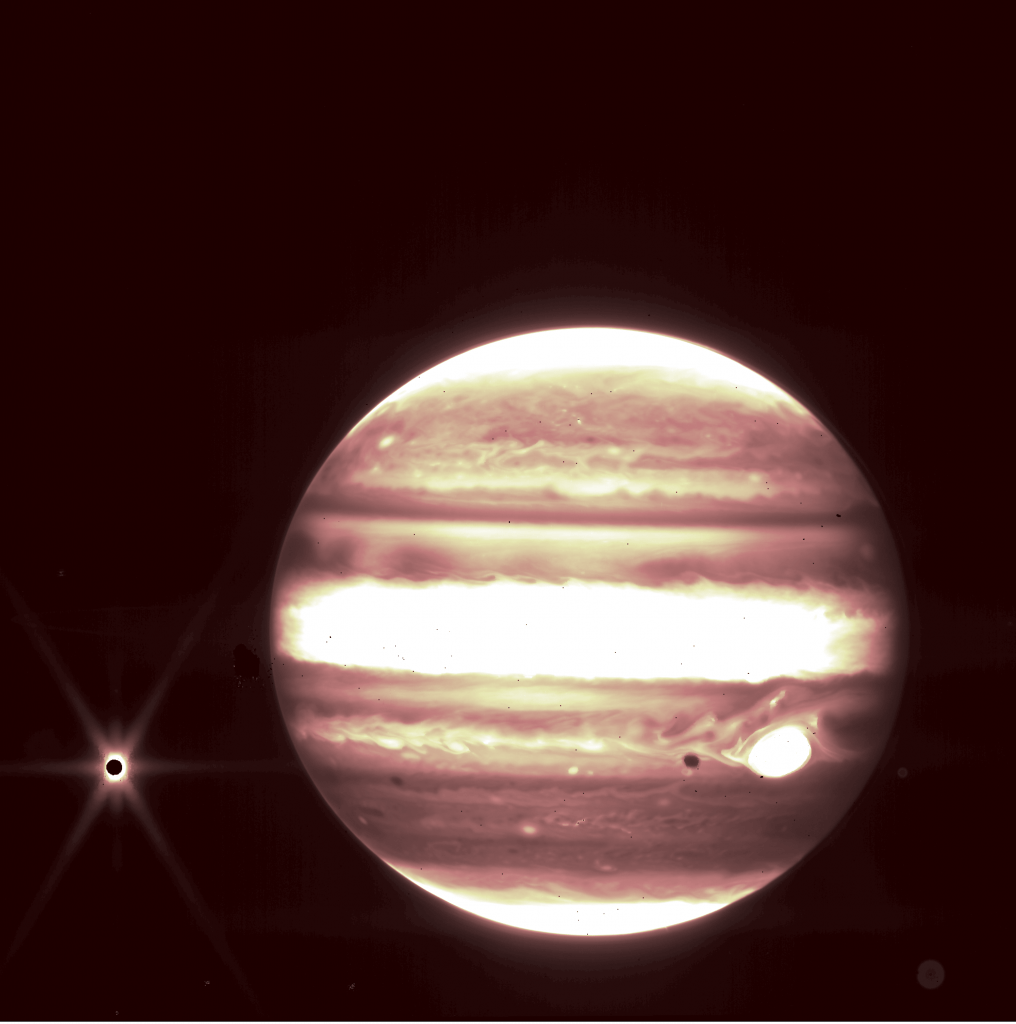
JWST Also Looked Inside the Solar System, at Jupiter and its Moons
We got that amazing release of Webb images on Tuesday, but the telescope team gave us a bonus image of Jupiter just a few days later. This photo demonstrates that Webb can capture data on objects inside the Solar System and see galaxies out to the edge of the observable Universe. You can see the Great Red Spot and smaller storms in the cyclonic bands stretching around the planet. And if you look closely, you can see the shadow of Europa just to the left of the Great Red Spot.
Read the full story by Nancy Atkinson
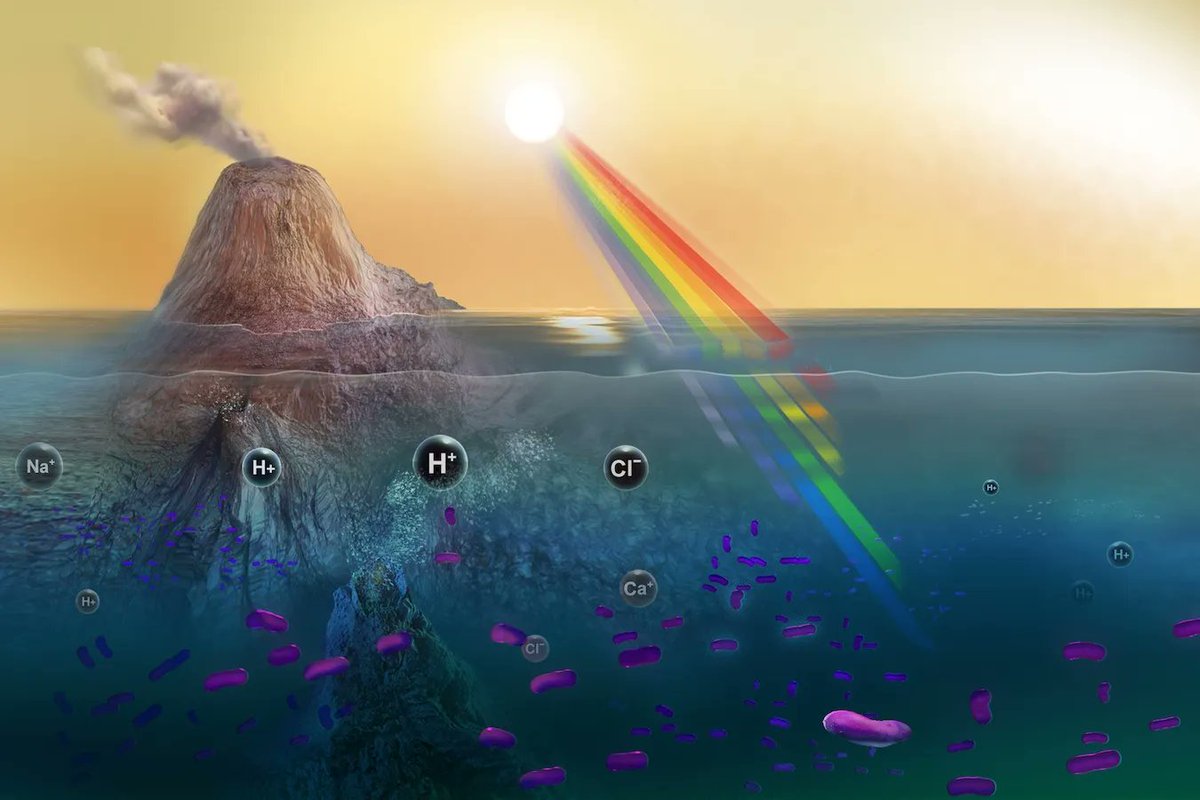
These Ancient Microbes Give a Glimpse of What Extraterrestrial Life Might Look Like
As we search the Solar System and the broader Universe for evidence of life beyond Earth, what should we look for? It would be amazing to discover a fossil of a Martian animal, but that's unlikely. Instead, we're probably ongoing to find microbial life, hiding out in the most hospitable locations. Scientists looked at ancient life on Earth for clues on what kinds of simple organisms might look like and how they could change their environment and atmosphere in ways we could detect.
Read the full story by Evan Gough
Other Interesting Space Stuff
- Good News! One JWST Picture Early!
- Astronomers Have Digitized 94,000 Photographic Plates of the Night sky, Going Back 129 Years
- Even Citizen Scientists are Getting Some Time on Webb
- A Look Inside one of Perseverance's Core Holes
- Behold, the James Webb Space Telescope’s First Image!
- Asteroids are Covered in Hopping Dust That Makes Them Look a Little Fuzzier
- A Star Come too Close to a Black Hole and was Torn Apart. Surprisingly Little Actually Went in
- Betelgeuse and Antares Have Been Observed for Over 2,000 Years. Astronomers can use This to Figure how old They are
- Before we Develop Self-Replicating Machines to Explore the Universe, we Should Figure out how to Turn Them off Again
- We'll be Building Self-Replicating Probes to Explore the Milky Way Sooner Than you Think
- A new Record for the Strongest Magnetic Field Seen in the Universe: 1.6 Billion Tesla
- Falling Space Junk has a 10% Chance of Killing Someone in the Next Decade
- JWST First Full
- A Black Hole can Tear a Neutron Star Apart in Less Than 2 Seconds
- The Gravitational Constant is Tricky to pin Down Accurately. Here's a new way to Measure it
- ESA's new Vega-C Rocket Flies to Space for the First Time
- Scientists Identify the Source of a Famous Meteorite to one Crater on Mars
- Watch This Great new Video From @PaulMattSutter as he Attempts to Untangle People's Distrust in Science
- Space Weather can Disrupt Train Signals, Causing Delays
- A Satellite had to Dodge Space Junk as it was Raising its Orbit to Avoid Solar Activity
- A new Instrument is Going to the ISS to Study the Climate Impact of Dust in the Earth's Upper Atmosphere
- Webb Also Looked Inside the Solar System, at Jupiter and its Moons
- We Finally Know Where the Highest Energy Cosmic Rays are Coming From
- Dmitry Rogozin is no Longer the Head of Roscosmos
- Weird String-Like Object Found on Mars, Probably Dropped by the Rover
Amazing Astrophotography on @universetoday
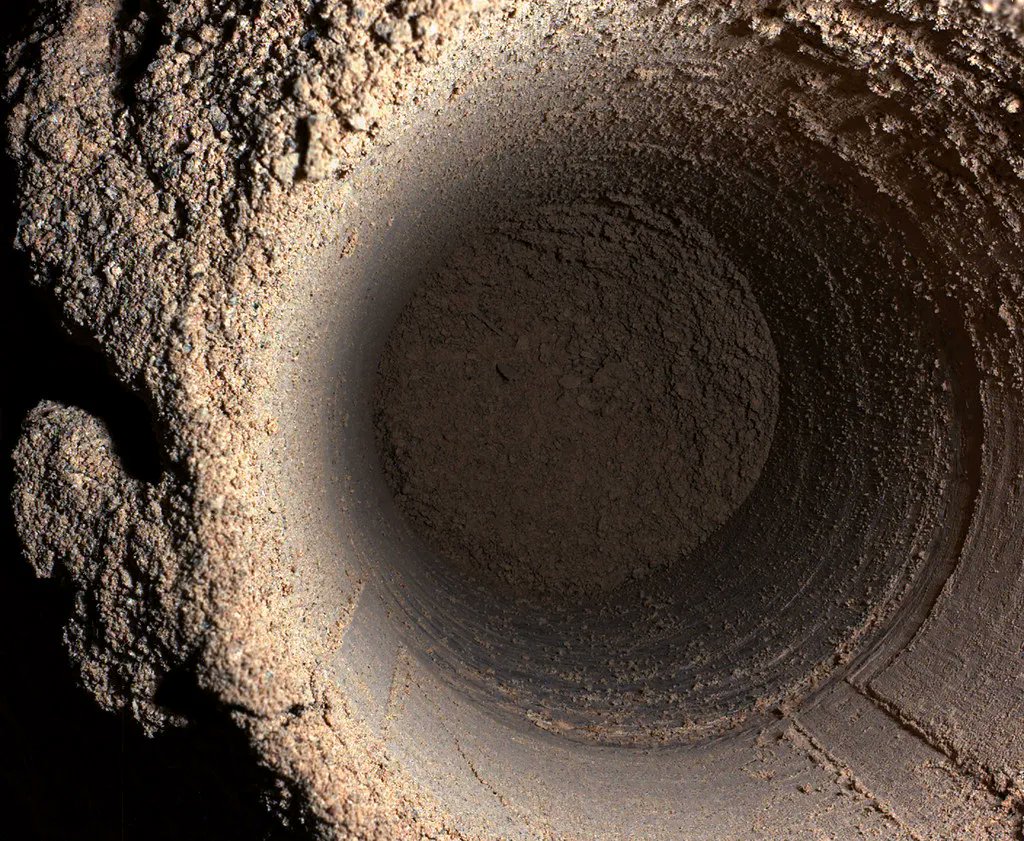
A Look Inside one of Perseverance's Core Holes
Here's an excellent picture of one of the core sample holes drilled by Perseverance. It looks like a simple enough photo, but it's made up of several different images combined using a technique called "focus stacking." Each image was focused on a different field of view, and then they were stacked together, so the entire hole looked like it was in focus—great work from Kevin Gill.
We have featured thousands of astrophotographers on our Instagram page, which has more than 200,000 followers. Want to do a takeover? Use the hashtag #universetoday and I'll check out your photos.
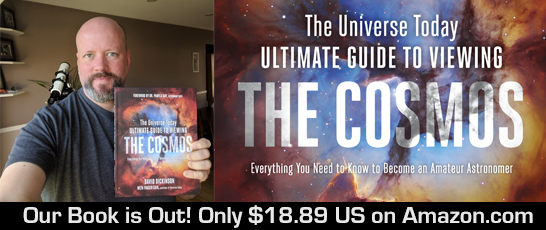
Find your way across the night sky. Choose a variety of astronomy gear. Follow the Moon and the planets. Find deep sky objects across the seasons in both hemispheres. Observe comets, asteroids, satellites and space stations. Learn to do astrophotography.
Get it on Amazon for only $18.89. Here are some other options.
Click here to Unsubscribe from this list.
Universe Today - #3400 333 Hunt Road - Courtenay, BC V9N 3R6 - Canada