
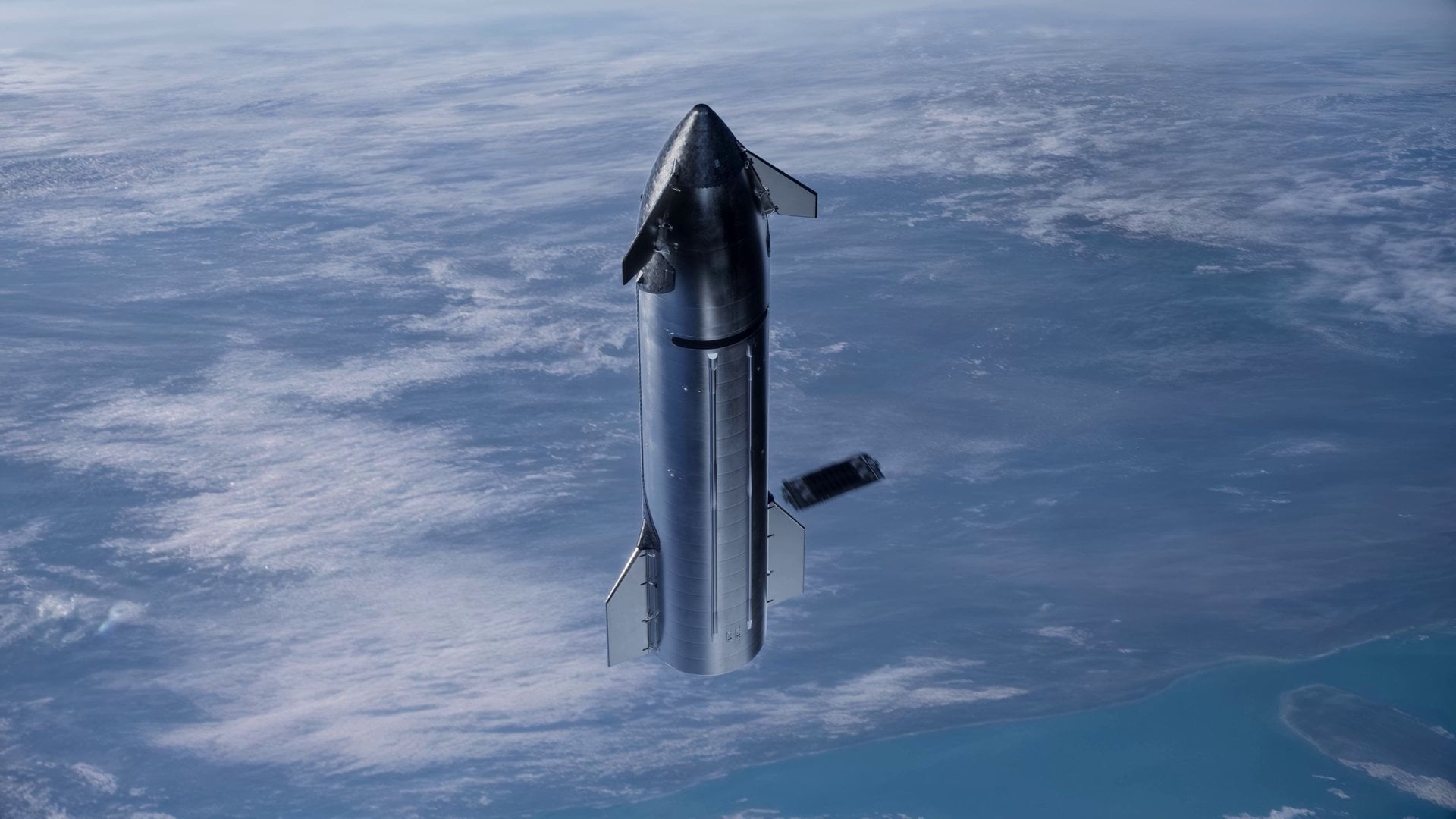
Elon Musk lays out a new vision of AI satellites as SpaceX acquires xAI
SpaceX is continuing to launch Starlink internet satellites, and recently announced that they'd be shifting the company to support space-based artificial intelligence. As part of this announcement, SpaceX has acquired xAI, possibly at a valuation of $250 billion, with SpaceX's value at a trillion dollars. SpaceX is now seeking approval to launch up to a million satellites in low Earth orbit to support their existing communications and develop new space-based AI computing satellites.
Read the full story by Alan Boyle

Crazy New SpaceX Plans // AI Mars Takeover // NO Artemis 2 in February
Another reason why Europa might not be habitable; Artemis II is delayed for a month; Claude takes Perseverance for a drive; SpaceX is planning to launch data center satellites; and in Space Bites+, making discoveries in leftover data.
Read the full story by Fraser Cain
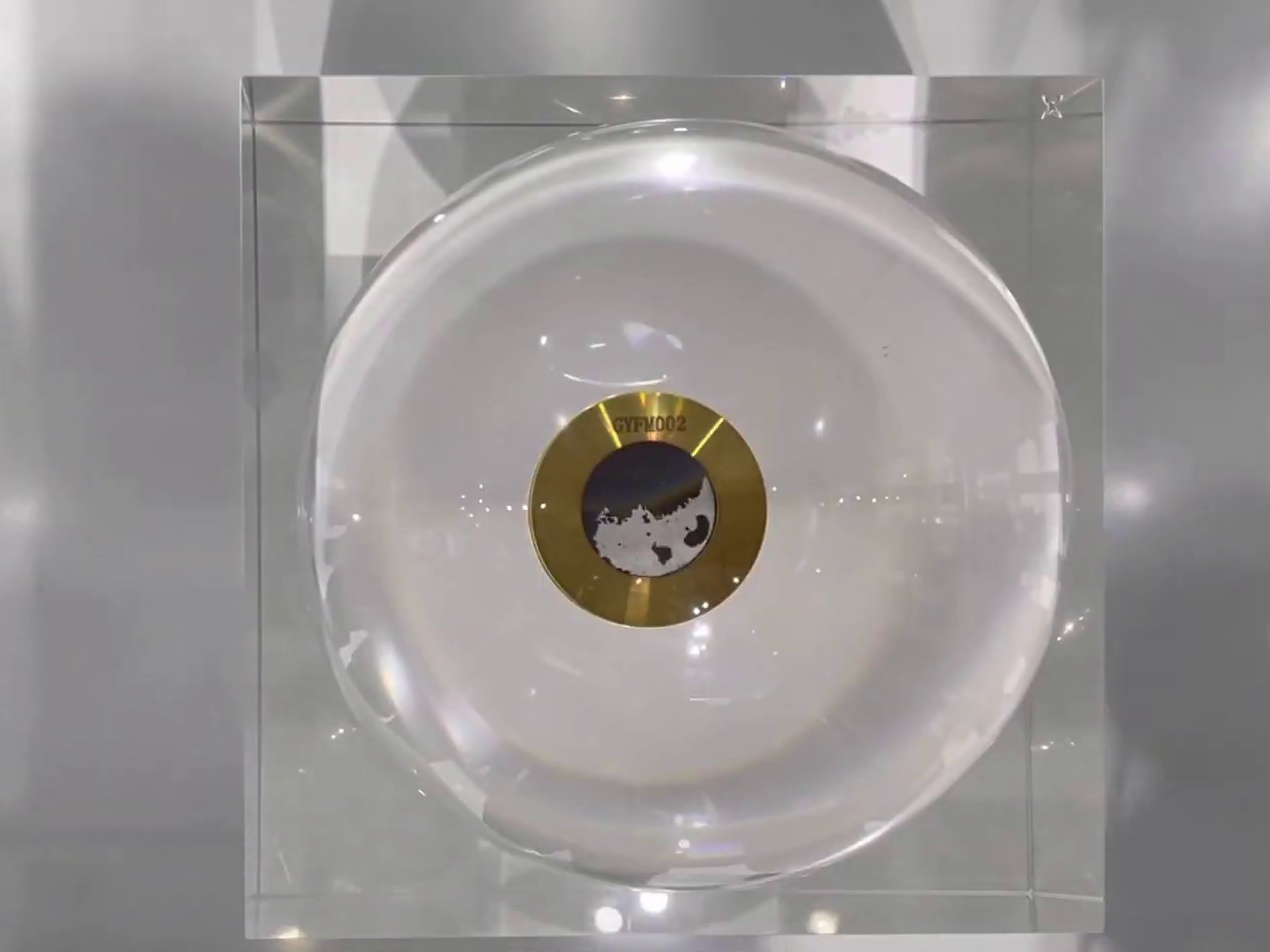
Reading the Moon’s Diary, One Speck of Dust at a Time
The Moon lacks a full magnetosphere like the Earth, but it does have pockets of magnetism. Are these left over remnants from a strong magnetosphere in the past, or caused by powerful asteroid impacts that magnetized the rocks? A new study suggests it's actually a little bit of both. Researchers analyzed a grain of lunar dust returned from China's Chang'e-5 mission and detected which source contributed to its magnetic field. Different pieces of dust told a different story.
Read the full story by Andy Tomaswick
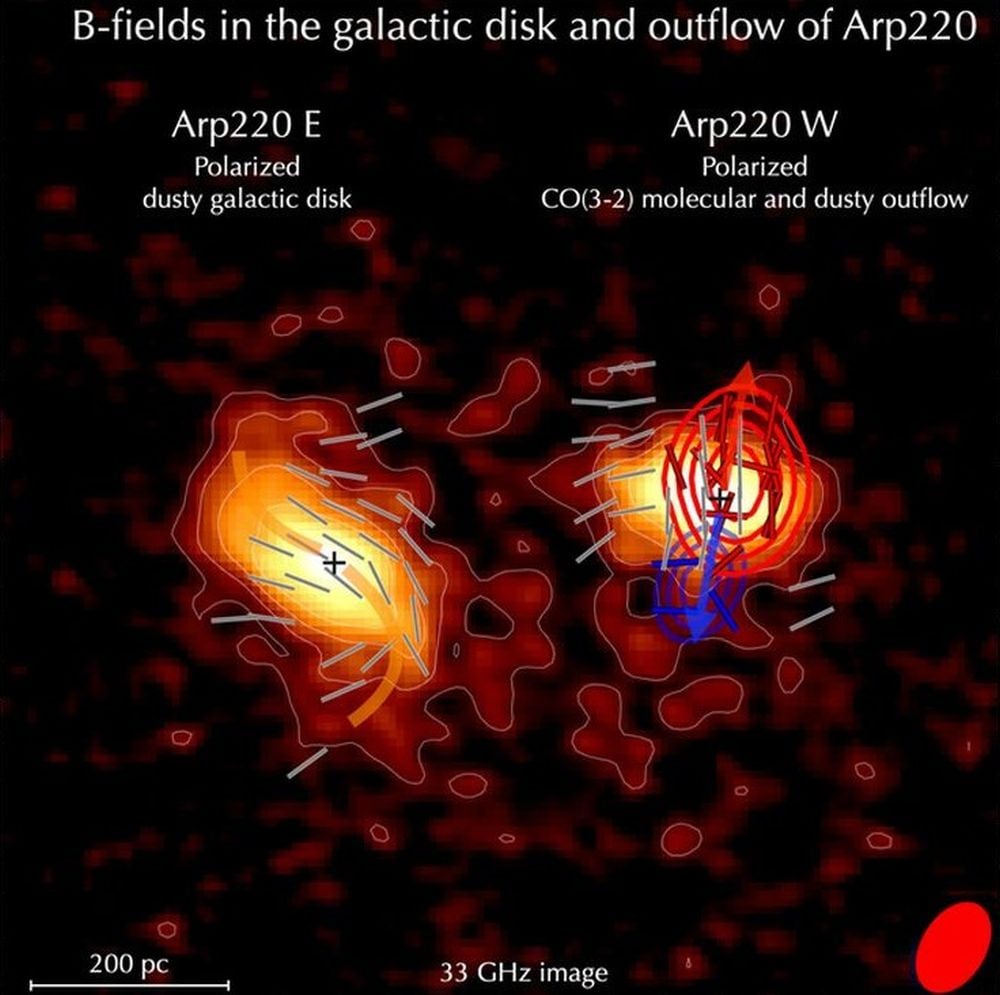
The Magnetic Superhighways That Drive Galaxy Evolution
Galaxies are surrounded by vast magnetic fields that can have an influence on the light they emit. It's all thanks to tiny dust grains in interstellar space that align themselves with the local magnetic fields. They absorb some light, but allow other light to pass, creating polarized light that astronomers can use to map out a galaxy's magnetic field. This technique was used to map out the fields of Arp 220, a pair of merging galaxies about 250 million light-years away.
Read the full story by Evan Gough

Streaming Artemis Landings, Planets VS Supernovae, Life Deep Inside Earth | Q&A 395
How will livestreams from Artemis be different from Apollo? Can planetary systems survive their stars exploding? Can a completely different life hide deep inside Earth? And in Q&A+, when should we expect new NIAC awards?
Read the full story by Fraser Cain
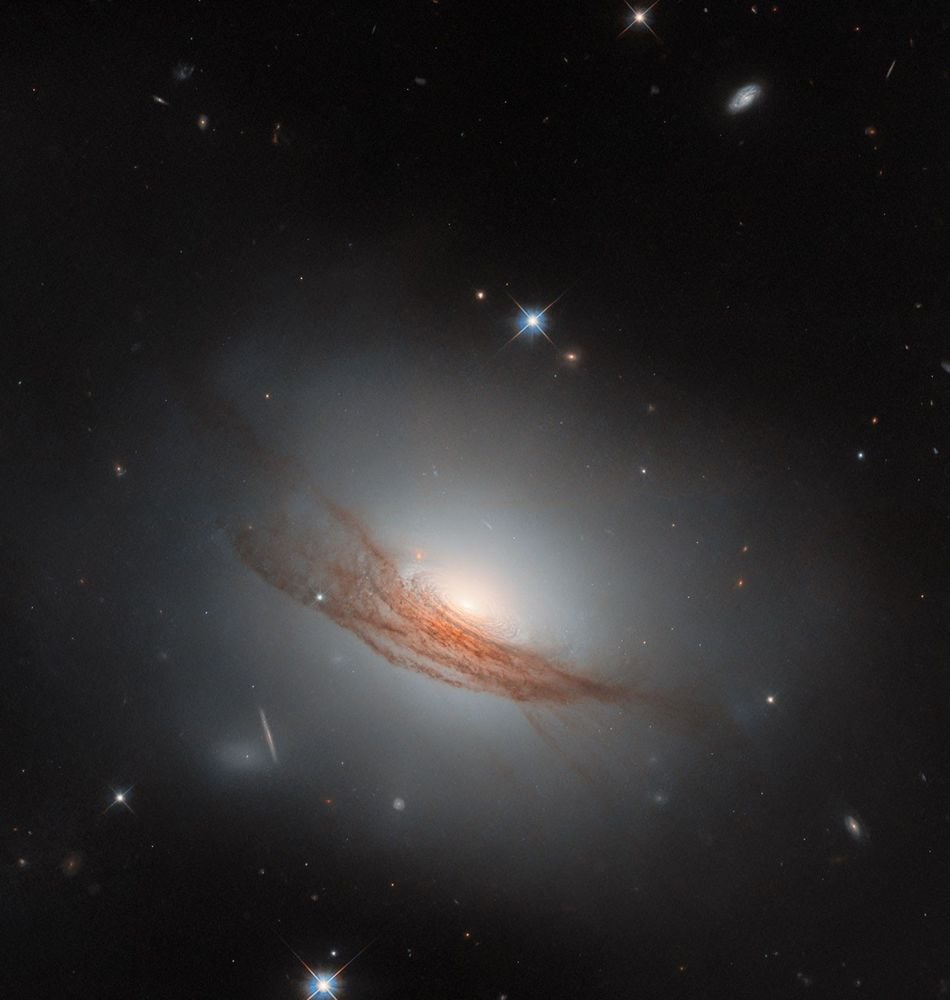
Hubble And The Fingerprints Of An Ancient Merger
Here's Hubble's picture of the month, showing the lenticular galaxy NGC 7722, located about 185 million light-years away. It has dramatic dust lanes near the center that block the light from its central region, and were probably caused by a past merger. In fact, all lenticular galaxies are probably the result of past mergers, and could be partway through the evolution from a spiral to a giant elliptical galaxy.
Read the full story by Evan Gough
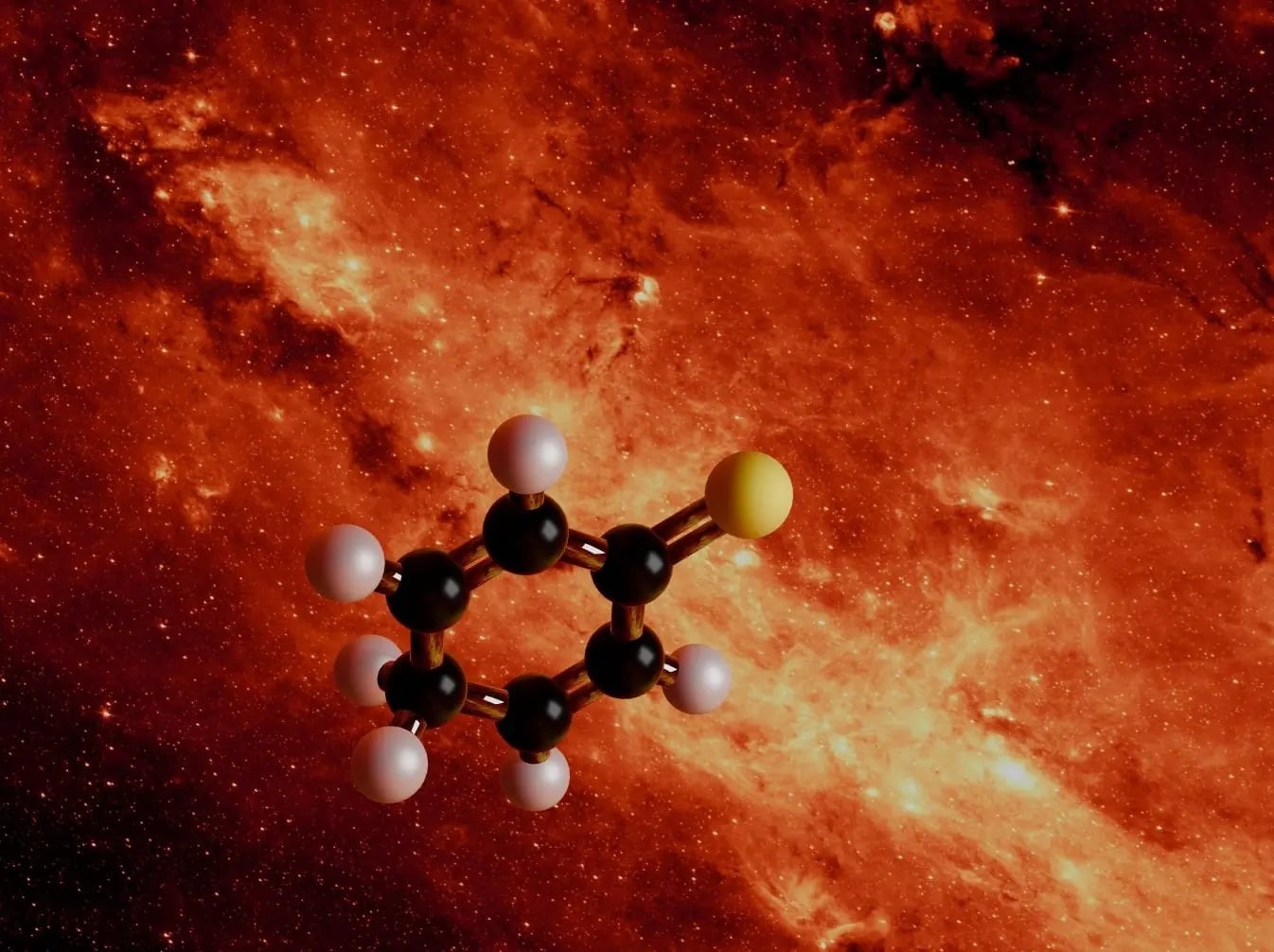
For the First Time, Scientists Detect Molecule Critical to Life in Interstellar Space
Another molecule critical to life has been found just floating freely in space. This time, it's thiepine, a ring-shaped sulfur-bearing hydrocarbon produced in biochemical reactions. This 13-atom molecule was seen in a star-forming region about 27,000 light-years from Earth near the center of the Milky Way. This is just another piece of the growing evidence that the precursor chemicals for life seem to arise naturally in protostellar gas clouds.
Read the full story by Matthew Williams
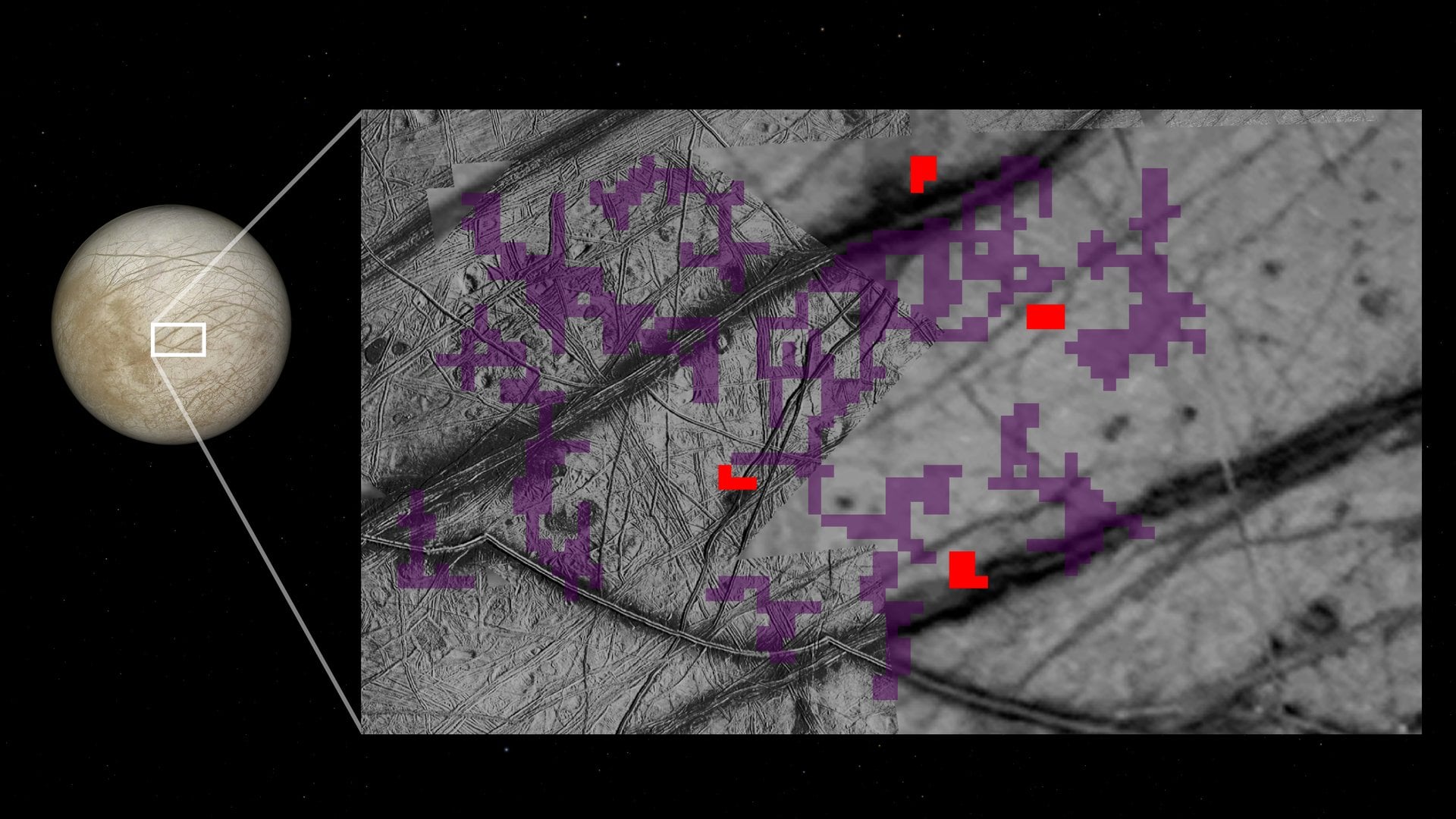
Cracks on Europa Sport Traces of Ammonia
Jupiter's moon Europa is a fascinating world with a thick sheet of ice that could be harboring an ocean of liquid water. NASA's Galileo spacecraft orbited in the system from 1995 to 2003, taking detailed images of the surface of Europa. Researchers have re-analyzed the Galileo data and found faint evidence of ammonia near cracks on the surface of Europa, places where liquid water could be welling up from its interior. Ammonia can't last exposed to space very long, so the material was driven to the surface relatively recently.
Read the full story by Carolyn Collins Petersen
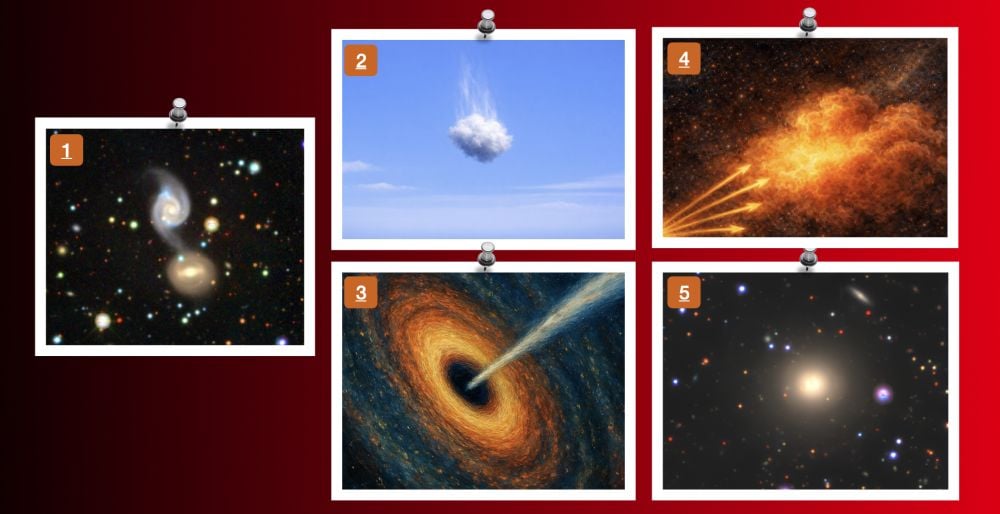
"Red Geyser" Galaxies Have Plenty of Star-Forming Gas But Don't Form Stars
Some galaxies are furiously forming new stars while others seem to have settled down, producing only a trickle of new stars. Something is quenching their ability to form new stars, but what? Two mechanisms have been proposed: internal and environmental. High-mass galaxies get quenched from an internal supermassive black hole, while smaller galaxies seem to be quenched by their local environment. One mystery is why these galaxies stop producing stars, even though they still have reserves of gas.
Read the full story by Evan Gough
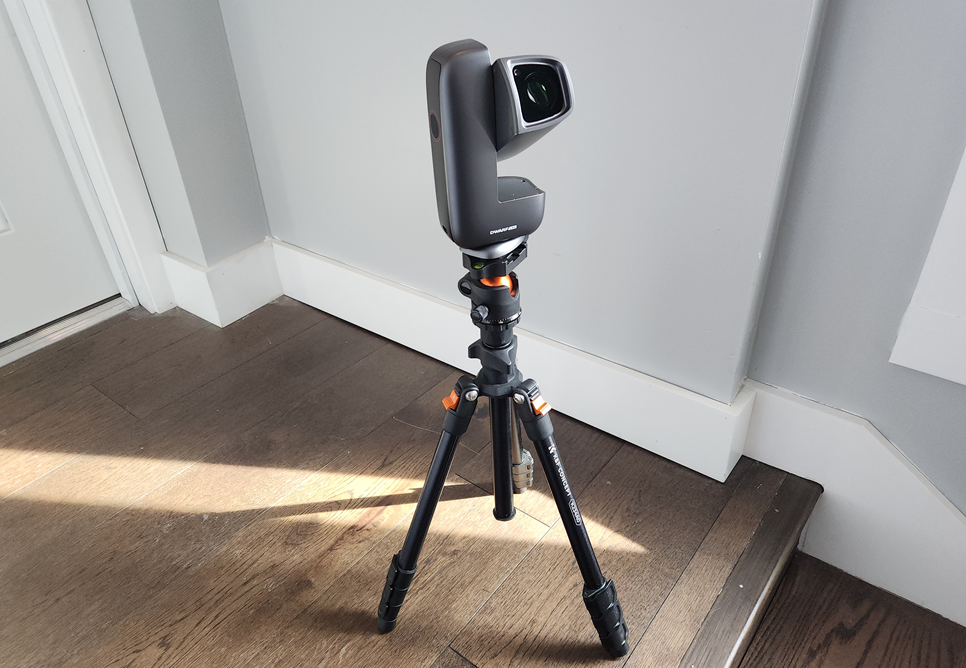
Review: Dwarf Lab's New Dwarf Mini Smart Telescope
Telescopes just keep getting smaller, and the newest example of this is the Dwarf Mini, produced by Dwarf Lab. You're looking at a fully automated telescope that you can put into your pocket, but can produce images that would rival what a much larger, more expensive rig would have required just a few years ago. Dave Dickinson got his hands on a Dwarf Mini and put it through its paces.
Read the full story by David Dickinson

AI Took My Job. Here's How I Survived
Everyone's talking about AI and wondering when it's going to take our jobs. Well, it already came for my job, but fortunately I was able to shift gears and keep going.
Read the full story by Fraser Cain
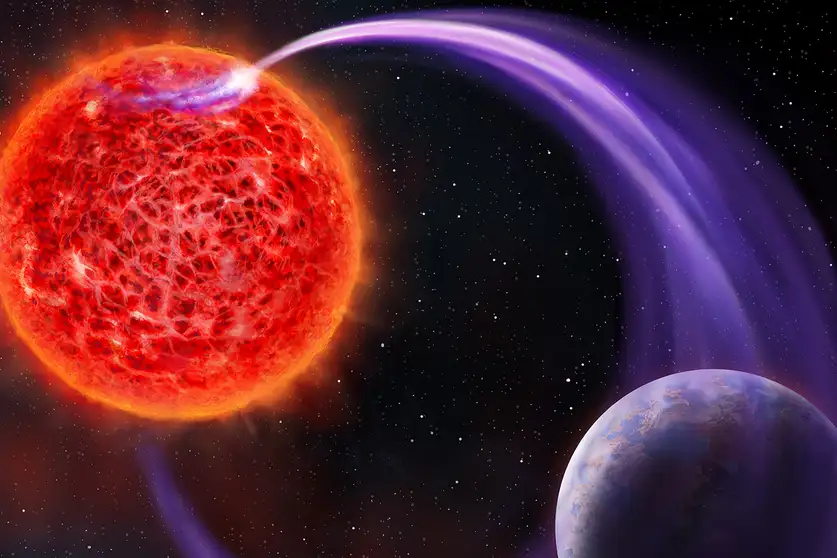
Turning Forgotten Telescope Data into New Discoveries
Telescopes collect an enormous amount of data, and not all of it has been carefully analyzed by astronomers. There are many discoveries waiting to be made with just the right insight and some database queries. Researchers recently analyzed the background data gathered by radio telescopes while they were observing foreground objects. In just 1.4 years of data, the team found over 200,000 new radio signals, which could indicate solar flares or even exoplanets interacting with their star's magnetic field.
Read the full story by Andy Tomaswick
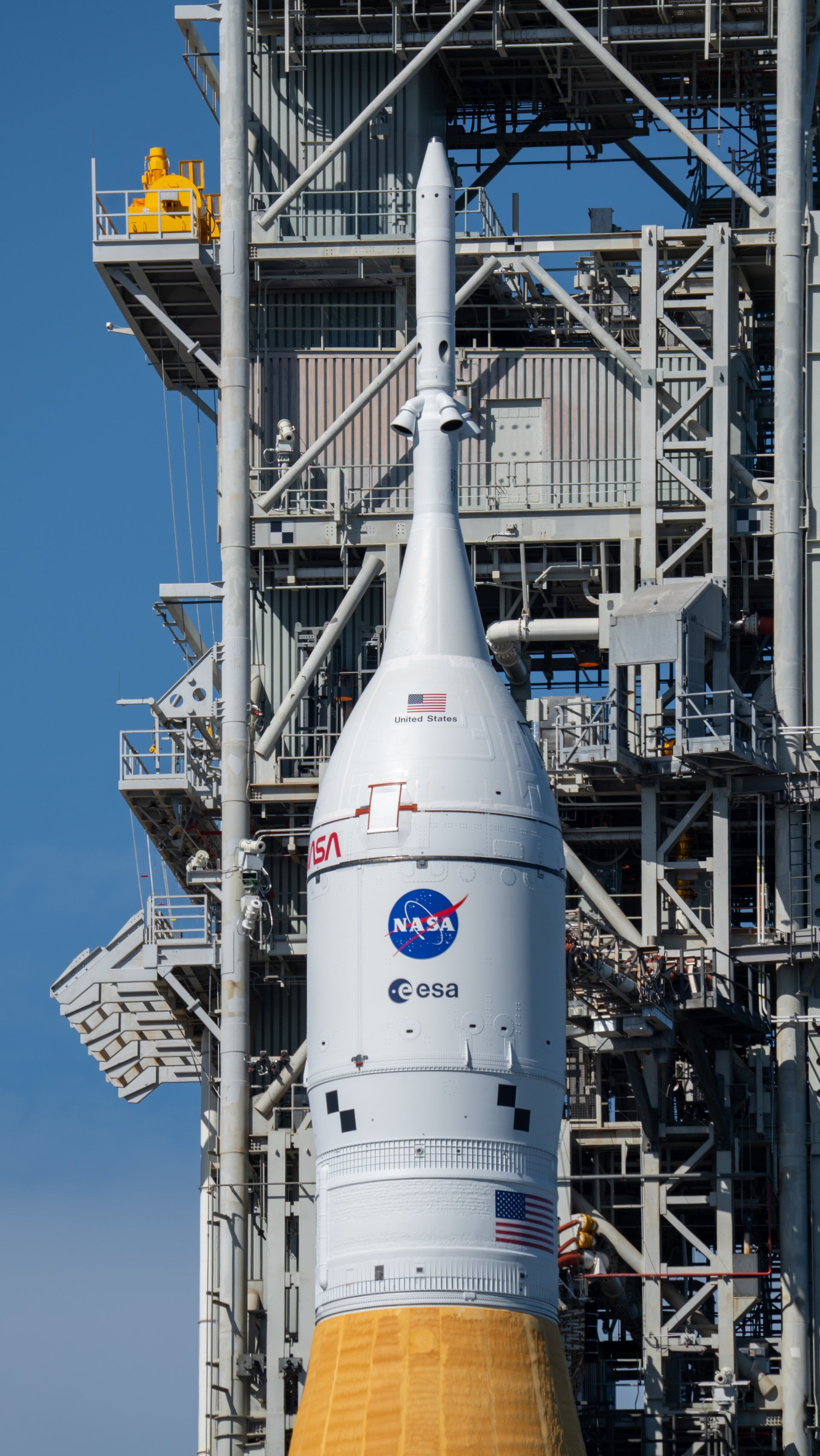
NASA's Artemis II Spacecraft on the Launch Pad
Here's a beautiful photo and a reminder that humanity is about to go back to the Moon. On January 31st, NASA began a 48-hour dress rehearsal, designed to simulate all aspects of the upcoming SLS/Artemis II mission—except, of course, actually blasting off. They discovered an issue with a spike in the liquid hydrogen leak rate at the 5-minute mark and cancelled the rehearsal, ultimately deciding to delay the launch for a month.
Read the full story by Matthew Williams
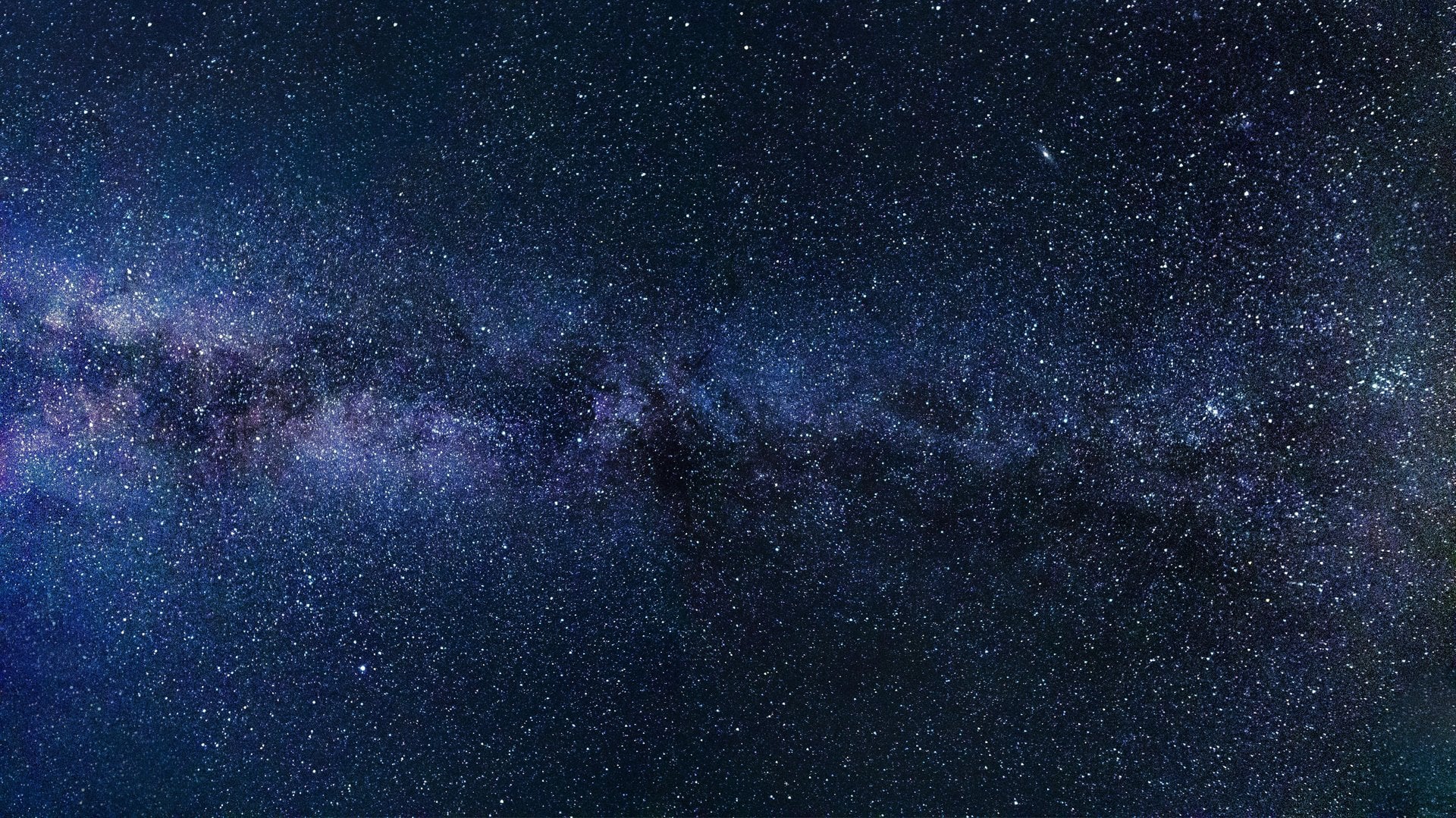
Is the Universe Older Than We Think? Part 1: The Cosmological Clock
Astronomers say that the Universe is 13.77 billion years old. That's a strangely specific number, so how do astronomers know? And could it actually be much older? Here's a new 4-part series by Dr. Paul Sutter where he explains the methods that astronomers use to determine the age of the Universe and the alternative theories that suggest it might be older, younger, or even eternal.
Read the full story by Paul Sutter
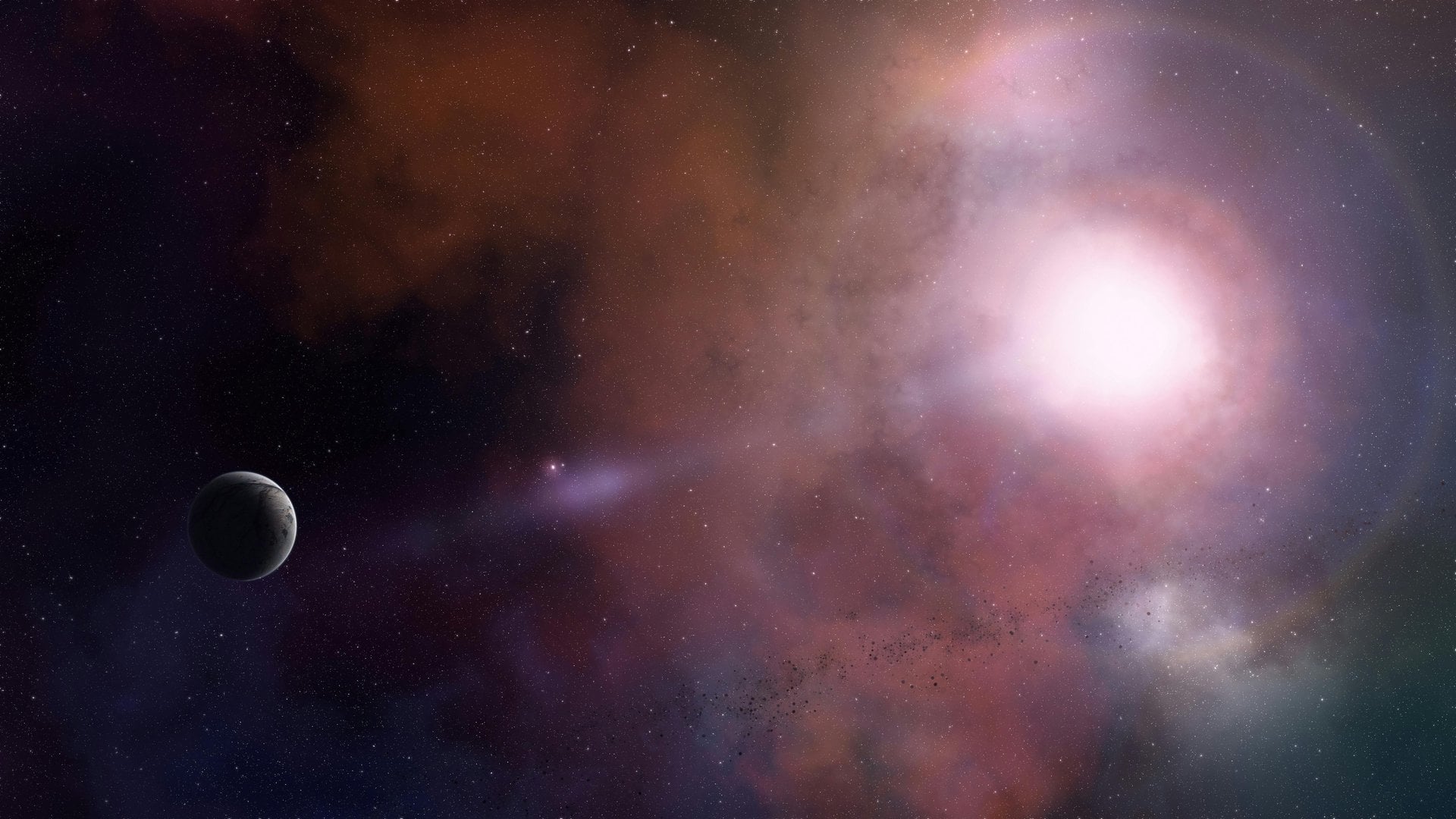
Is the Universe Older Than We Think? Part 2: Tired Light
The Big Bang model relies on the observation that the Universe is receding away from us in all directions. The farther the galaxies are, the more their light has been redshifted, but an alternative theory is "tired light," that light loses energy as it travels and only appears to be redshifted. But tired light doesn't work for many reasons, especially when it would need to affect all parts of the electromagnetic spectrum. In chapter 2, Paul explains why tired light can't explain whether the Universe is older than we think.
Read the full story by Paul Sutter
Is the Universe Older Than We Think? Part 3: Timescape
In part three of this series, Dr. Sutter considers the timescape model of the cosmos. The Universe is lumpier than astronomers originally believed, with time flowing faster in empty voids than it does in dense galaxies and clusters. This makes original estimates of the Universe's age inaccurate because our measurements of our local vicinity don't reflect other parts of the cosmos. Of course, the timescape model has its own set of problems.
Read the full story by Paul Sutter
Is the Universe Older Than We Think? Part 4: The Changing Lambda-scape
In the final chapter in this series, Dr. Sutter considers the role that dark energy and dark matter have on the age of the Universe. Since these comprise most of what's out there, they have an outsized status. What would happen if we discovered that the scientific consensus is inaccurate? Any new model would need to pass all the same cosmological hurdles, and so would probably give a very similar number for the age of the Universe.
Read the full story by Paul Sutter
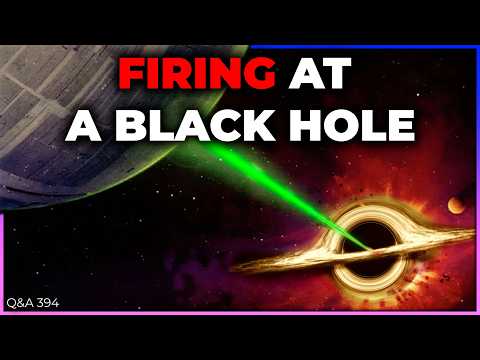
AI Warp Drive, Surviving in Space, Firing at a Black Hole | Q&A 394
Will AI help us to create a warp drive? Could aliens even survive a trip to Earth? What would happen if you fire a powerful beam at a black hole? And in Q&A+, which part of the Universe does the CMB show us?
Read the full story by Fraser Cain
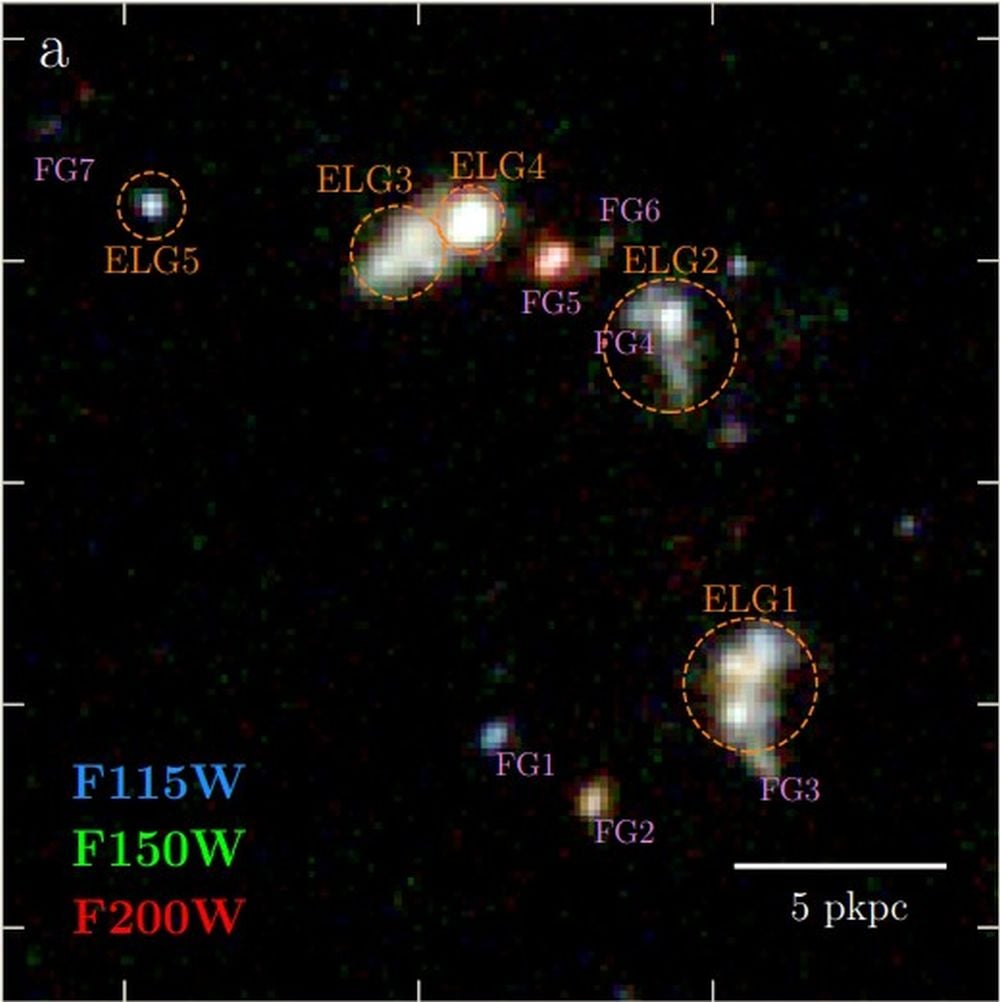
Cosmic Collision: The JWST Found An Early 5-Galaxy Merger
We see examples of two galaxies tearing at each other with their mutual gravity and tidal forces, but now Webb has found a region where five galaxies are merging, seen at a time when the Universe was only 800 million years old. The five-galaxy merge has been dubbed JWST's Quintet (JQ). This is surprising to see; astronomers weren't expecting these kinds of mergers so early on in the history of the cosmos.
Read the full story by Evan Gough
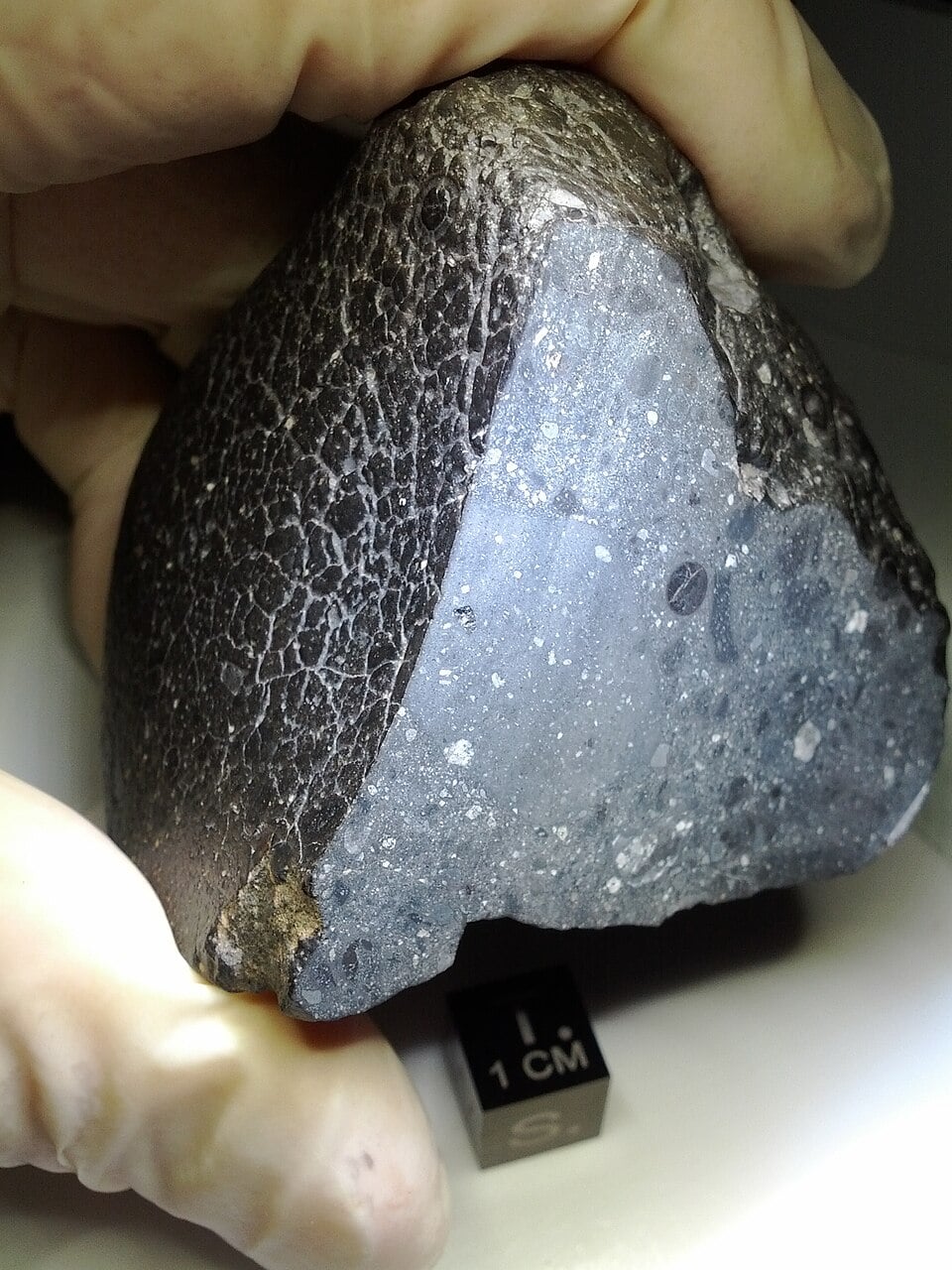
Neutron Scans Reveal Hidden Water in Famous Martian Meteorite
The Universe continues to drop samples of other worlds right into our hands in the form of meteorites. One of the best examples of this is NWA 7034, also known as Black Beauty, which originated on Mars. Scientists have new tools at their disposal to study older samples, such as the newly invented computed tomography machines. These can blast neutrons at a target, which can penetrate through a dense object like a meteorite, revealing its internal structure and helping to find water.
Read the full story by Andy Tomaswick

All You Need to Know About JWST's Discoveries in 2026
JWST is still up there and working 24/7. There are papers coming out every day based on the results from Webb. What's the current status of JWST? What are the latest discoveries? What should we expect next from it? Find out in this interview.
Read the full story by Fraser Cain
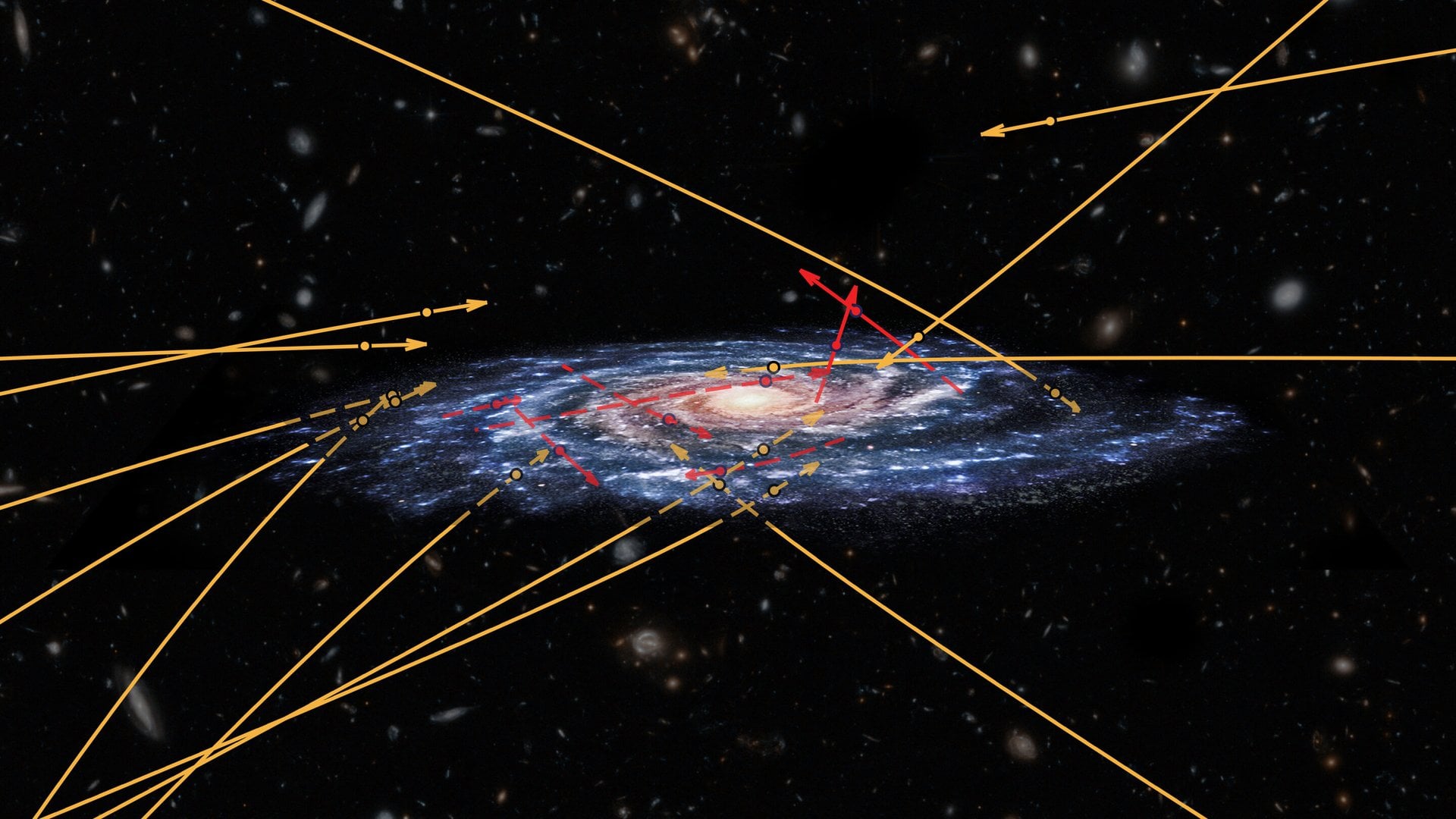
Researchers Conduct the Largest Study of Runaway Stars in the Milky Way
In the 1960s, astronomers discovered the first runaway stars in the Milky Way, traveling so fast they're on an escape trajectory from our galaxy, and never coming back. It's believed they began in binary star systems and were kicked out when their partner went supernova. Now there's a new survey of the most massive runaway stars, and it seems they didn't begin as binary companions. So how did they get such a powerful kick to hurl them out of the galaxy?
Read the full story by Matthew Williams
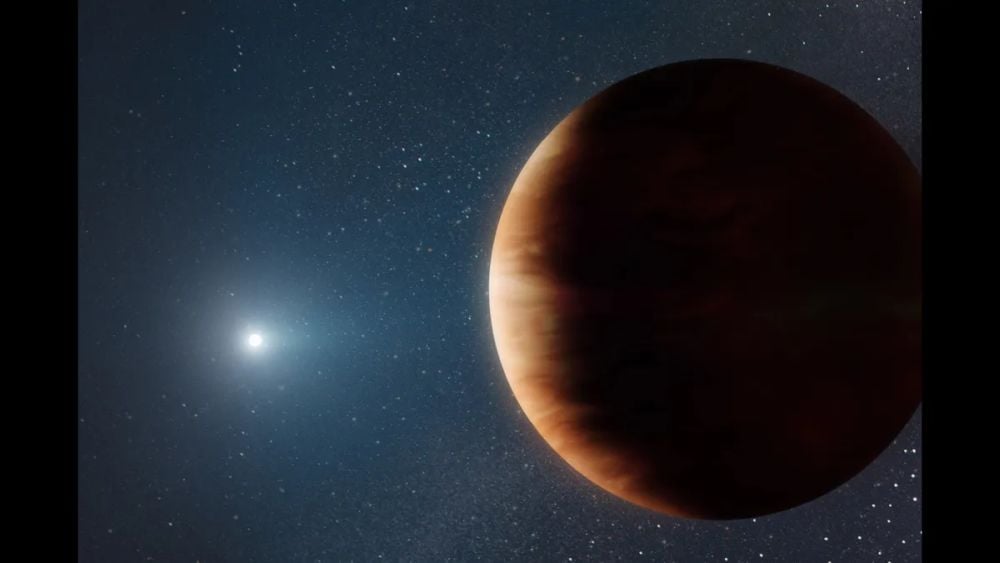
Red Giant Stars Can't Destroy All Gas Giants. Some Are Hardy Survivors
Astronomers have found examples of gas giant planets orbiting surprisingly close to white dwarf stars. Those stars were once main-sequence stars like the Sun, which bloated up at the end of their lives as red giants, consuming their inner terrestrial planets. So how did the gas giants survive a process that's trying to engulf, tear apart, and vaporize them? It's amazing that some of these planets can actually survive this harrowing period.
Read the full story by Evan Gough
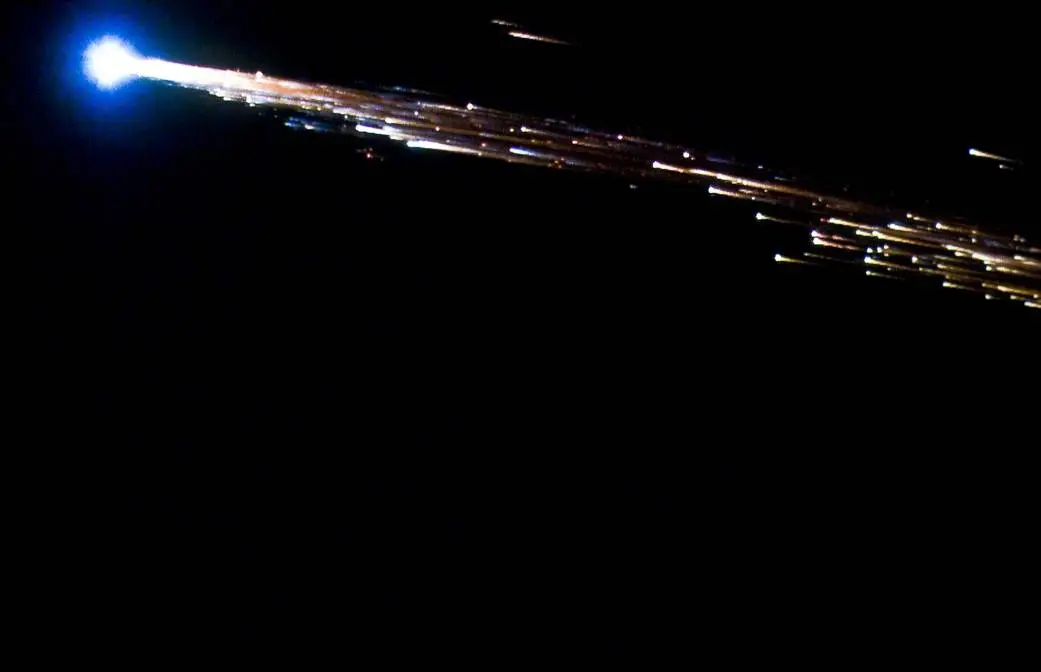
The Dirty Afterlife of a Dead Satellite
As of January, there were over 14,000 operational satellites in orbit, with tens of thousands more coming in the next few decades. Once again, we've got a tragedy of the commons situation. We'll have to consider the environmental consequences of all these satellites as they eventually burn up in the Earth's atmosphere. It's estimated that we could see a few dozen a day burning up, depositing metals into the upper atmosphere, with unknown results.
Read the full story by Andy Tomaswick
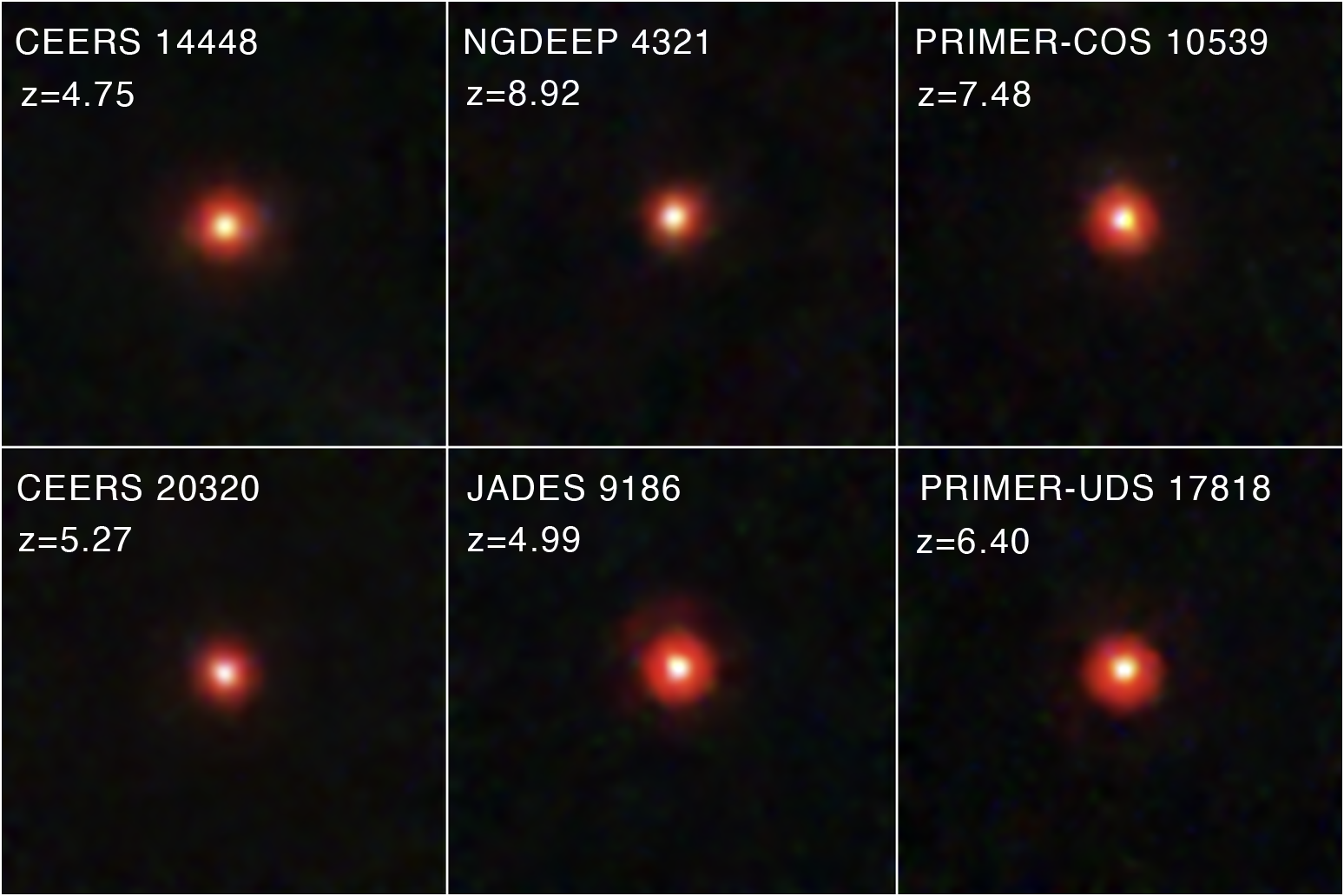
The "Little Red Dots" Observed by Webb Were Direct-Collapse Black Holes
One of JWST's big discoveries was "Little Red Dots" (LRDs), compact objects seen near the beginning of the Universe. There have been several potential explanations, but a team of astronomers thinks they've found the answer: direct collapse black holes. This would also help to explain Webb's other discoveries of supermassive black holes with more mass than expected. These direct collapse black holes formed from giant clouds of hydrogen, and not through the death of stars like we see today.
Read the full story by Matthew Williams
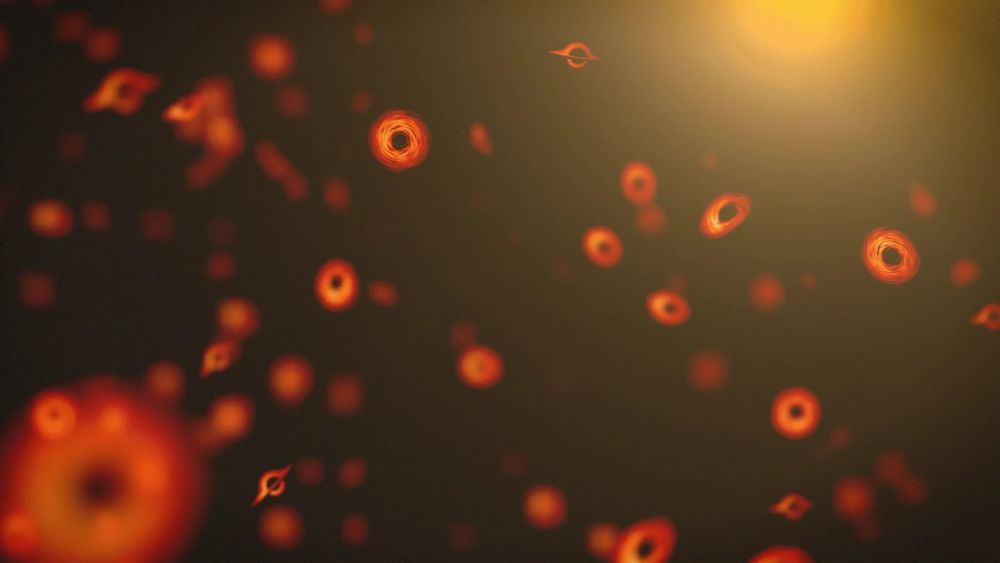
Is There A Link Between Primordial Black Holes, Neutrinos, and Dark Matter?
In 2023, the Cubic Kilometre Neutrino Telescope (KM3NeT) detected an extremely powerful neutrino passing through its underwater telescope. It has 220 PeV, which is more energetic than anything we can produce in the Large Hadron Collider, a billion times more powerful than neutrinos coming from the Sun. We don't know what caused it, but a new paper proposes that it could have come from an evaporating primordial black hole.
Read the full story by Evan Gough
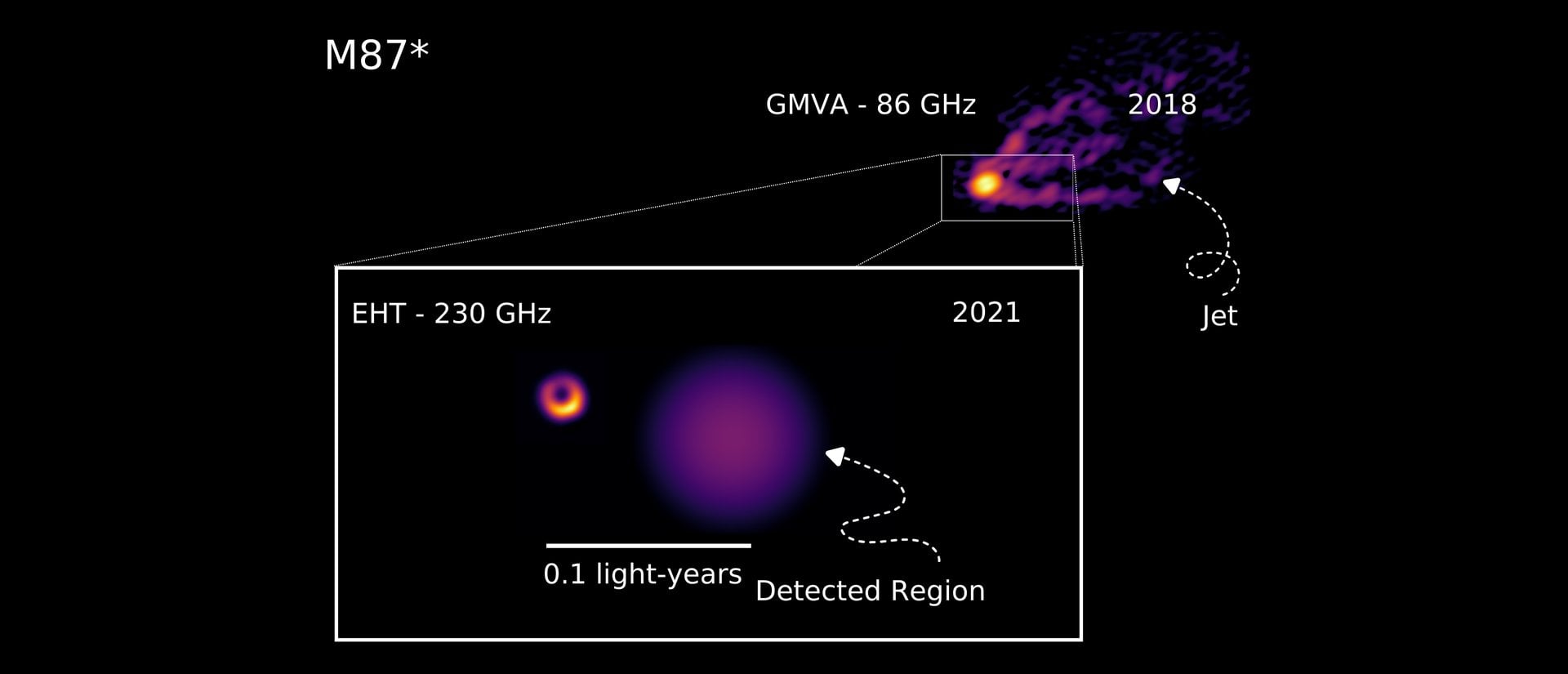
The Collaboration that Brought you the First Image of a Black Hole Just Released Photos of its Massive Jet
Although it's been a few years since we saw the images from the Event Horizon Telescope, the worldwide virtual observatory is still working together year after year to observe interesting objects. This time, they've taken new images of a relativistic jet blasting out of the supermassive black hole at the heart of the galaxy Messier 87. They were able to observe where the jet originates near the black hole as it blasts out into the cosmos.
Read the full story by Matthew Williams

Should We Stay Away From Dark Matter? [Q&A Livestream]
Missed the full-length Q&A livestream and would prefer to watch it? Well, here you go, 2 hours...
Read the full story by Fraser Cain

🦄 If you enjoy what we do at Universe Today, join our Patreon Club! Here are just some of the perks you can get by subscribing:
- I'll remove all ads on UniverseToday.com for life, even if you unsubscribe in future
- You'll get ad-free versions of our videos, so you won't even have YouTube ads
- Early access to interviews, which we now do in improved quality
- A secret Patreon Email Newsletter
- Access to Patreon-only AMA session once per month
- Behind the scenes and other bonus content
- Help us stay independent and support the team directly
Support Universe Today. Join the Club Now!
🎧 Subscribe to our podcasts:
- Universe Today Podcast. Space news, interviews, Q&As, and exclusive content from Universe Today.
- Astronomy Cast. Your weekly facts-based journey through the cosmos, which I co-host with astronomer Dr. Pamela Gay.
Other Interesting Space Stuff
- NASA changes its mind, will allow Artemis astronauts to take iPhones to the Moon
- This black hole "burps" with Death Star energy
- Yes, JWST should take the deepest deep-field image ever
- JWST shakes up the hunt for earliest galaxy cluster
- The most important quantum advance of the 21st century
Thanks!
Fraser Cain
Publisher
Universe Today
As always, if you have comments or questions, or suggestions on how I can improve this newsletter, please don't hesitate to reply this email or email me at [email protected].

This work is licensed under a Creative Commons Attribution 4.0 International License.
Click here to Unsubscribe from this list.
Universe Today - #3400 333 Hunt Road - Courtenay, BC V9N 3R6 - Canada