
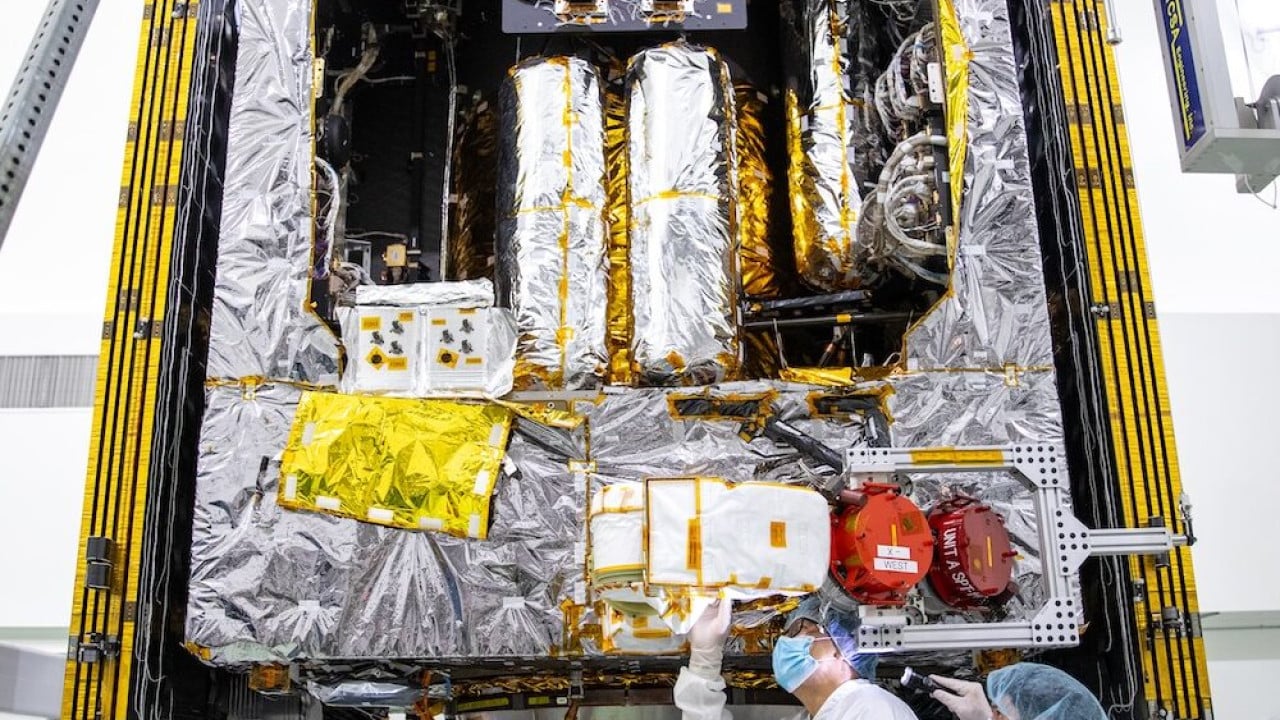
Uh Oh, There's a Problem With Psyche's Propulsion System
NASA reported this week that there's a decrease in fuel pressure for the Psyche mission's propulsion system. Psyche uses a solar electric propulsion system, generating thrust with four electric ion engines that expel xenon ions, giving the spacecraft a kick in the opposite direction. It has been firing its thrusters continuously since May 2024, but in April 2025, engineers detected a pressure drop in the fuel lines. They have redundancy and are troubleshooting the issue.
Read the full story by Mark Thompson

🦄 If you enjoy what we do at Universe Today, join our Patreon Club! Here are just some of the perks you can get by subscribing:
- I’ll remove all ads on UniverseToday.com for life, even if you unsubscribe in future
- You’ll get ad-free versions of our videos, so you won’t even have YouTube ads
- Early access to interviews, which we now do in improved quality
- A secret Patreon Email Newsletter
- Access to Patreon-only AMA session once per month
- Behind the scenes and other bonus content
- Help us stay independent and support the team directly
Support Universe Today. Join the Club Now!

Spying on Spy Satellites // Official NASA Budget Cuts // Dragonfly Milestone
The official NASA cuts are here. Several missions reach big milestones. The Solar Gravitational Lens will be challenging to use, and in our special bonus version on Patreon, [Space Bites+] an additional story about New Horizons scanning the clouds of hydrogen around the Solar System.
🎧 Subscribe to our podcasts:
- Universe Today Podcast. Space news, interviews, Q&As, and exclusive content from Universe Today.
- Astronomy Cast. Your weekly facts-based journey through the cosmos, which I co-host with astronomer Dr. Pamela Gay.
Upcoming Shows:

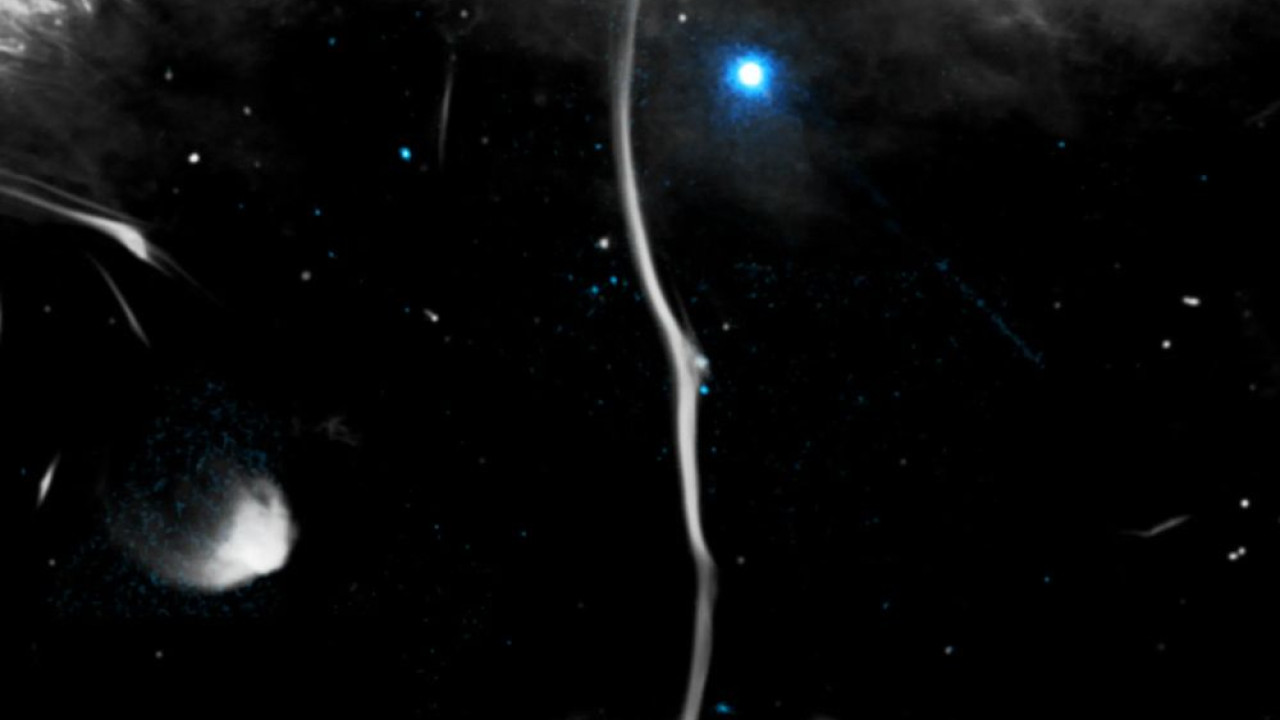
A Fast-Moving Pulsar Fractures the Milky Way's Galactic Bone
There's a lot going on at the center of the Milky Way, with stars, clouds of gas, and of course, the supermassive black hole Sgr A*. The MeerKAT radio telescope has observed strange snake-like filaments in the region, stretching for hundreds of light-years. One has a strange shape, with a fracture along its length, and now astronomers know the cause. There's a rapidly moving pulsar nearby that struck the filament at high speed, distorting its magnetic structure.
Read the full story by Evan Gough
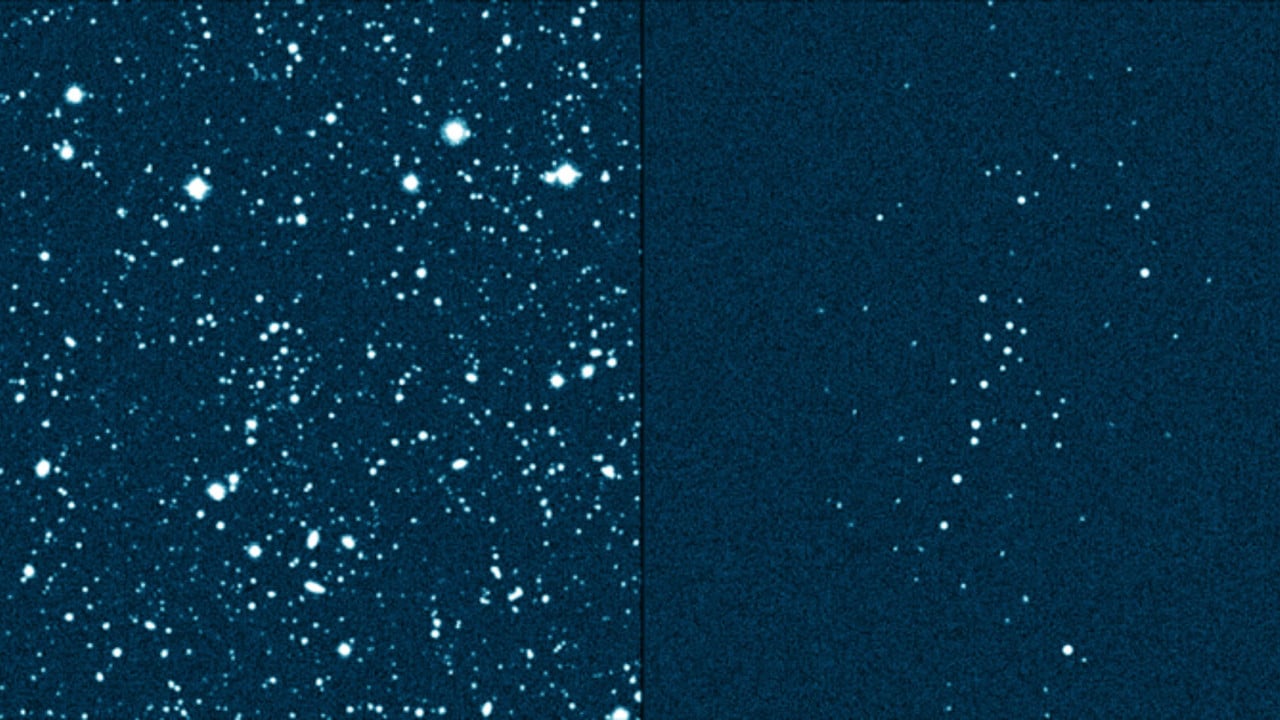
It's Either the Milky Way's Farthest Known Star Cluster or the Smallest Known Galaxy.
In 2024, astronomers announced the discovery of UMa3/U1, a collection of 60 stars measuring only 10 light-years across, at a distance of 30,000 light-years from the Sun. It was announced as the smallest galaxy ever seen, with a fraction of the mass of other dwarf galaxies. A new paper suggests that it might actually be a star cluster, with several compact stellar remnants holding it together for billions of years. Either way, it's breaking some kind of record.
Read the full story by Brian Koberlein

Using the Solar Gravitational Lens Will Be Extremely Difficult
Astronomers have calculated that the gravity of the Sun can act as a natural lens, allowing a small telescope to sit at the focal point and capture megapixel images of the surfaces of exoplanets. But according to a new paper, there are some technical limitations that will make it more challenging to use this natural lens. Getting out to 550+ AU is already challenging, but even small amounts of cloud cover on the target exoplanet introduce tremendous noise into the data.
Read the full story by Andy Tomaswick
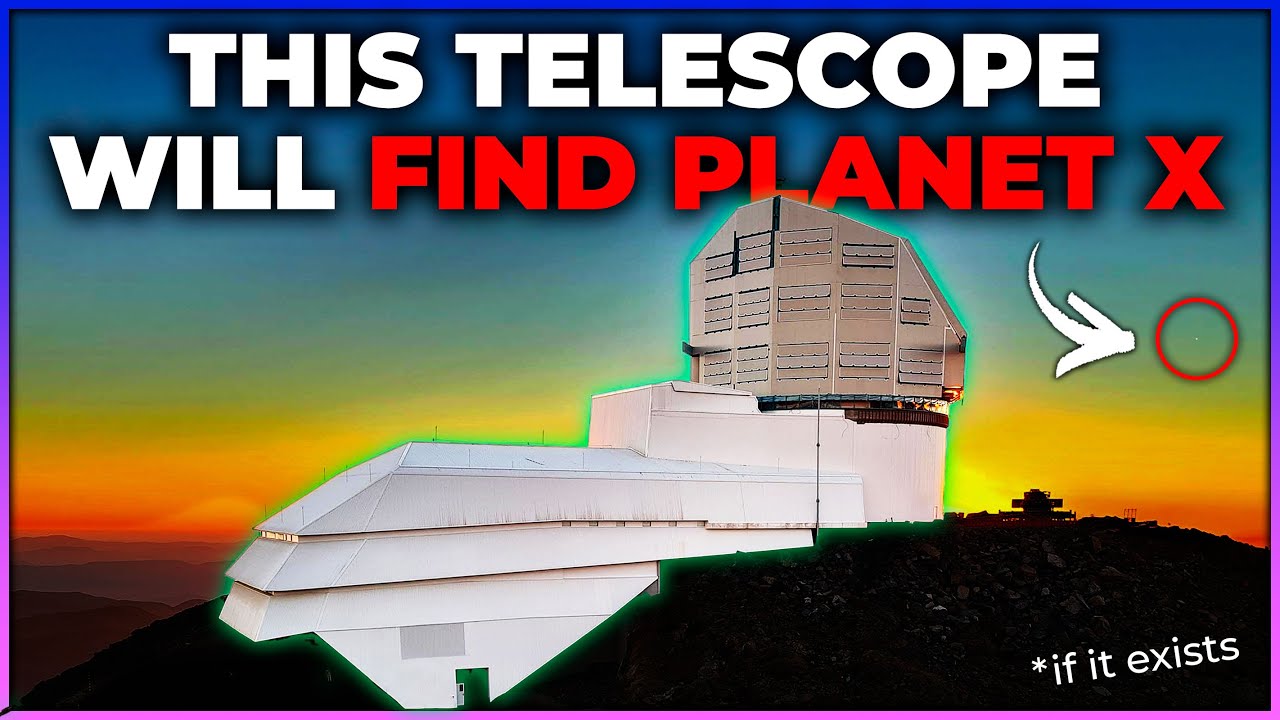
Vera Rubin Will Change Astronomy Forever. Here's Exactly How
Vera Rubin Telescope (aka LSST) is finally ready. We're expecting first light in the coming months. It will find Planet 9 (if it exists), discover thousands of new asteroids, millions of new supernovae and will change the way we do astronomy with its surveys of the night sky. Here's how it will do all that.

The Most Common Type of Exoplanet Was Difficult To Observe Until the JWST Came Along
With 1000s of exoplanets found so far, astronomers are learning that one of the most common sizes out there is larger than Earth but smaller than Neptune. These sub-Neptunes have been difficult to observe, but JWST is changing all that, with its ability to scan these planets in unprecedented detail and even reveal the gases present in their atmospheres. Astronomers think that they started out as rocky cores and then attracted hydrogen atmospheres from the solar nebula.
Read the full story by Evan Gough
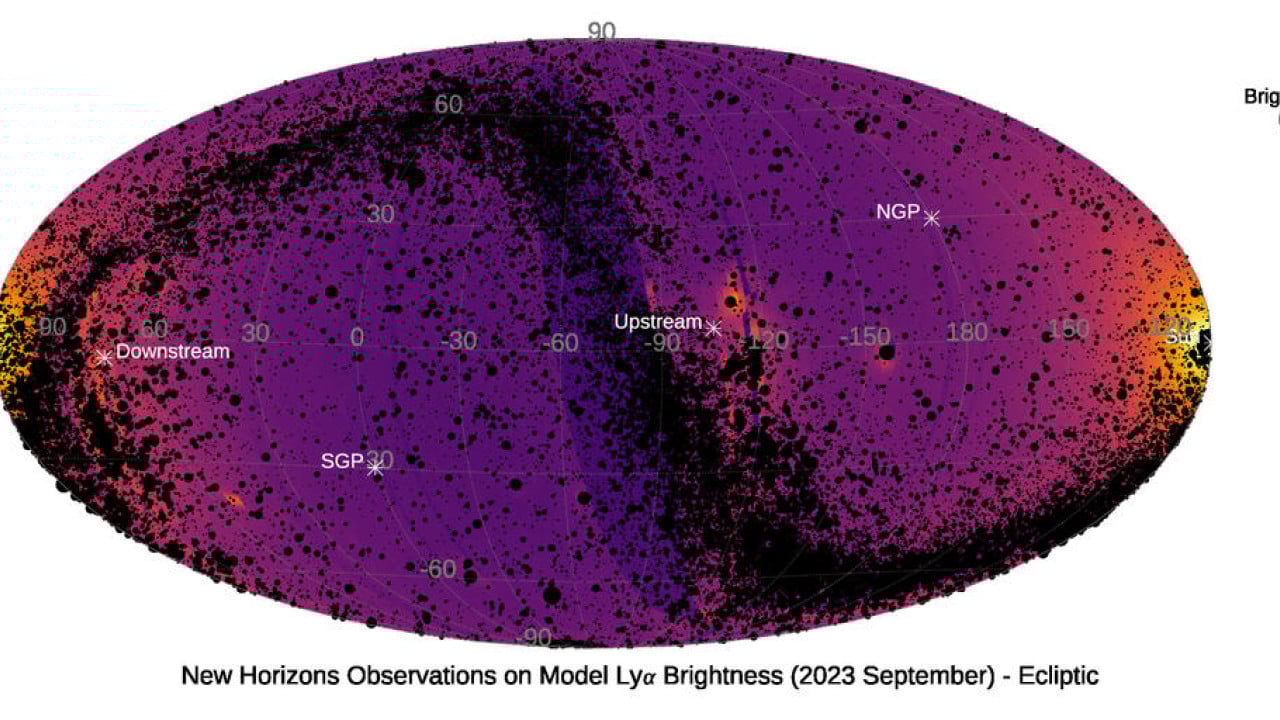
New Horizons Helps Map the Hot Clouds of Interstellar Gas All Around the Solar System
Large clouds of hot interstellar hydrogen release a very specific wavelength of ultraviolet radiation called Lyman-alpha. Because we're embedded deep inside the Solar System, it's tough to measure this radiation accurately, but fortunately, NASA's New Horizons spacecraft is far from the Sun and equipped with ultraviolet detectors. Researchers have used the mission to create the first-ever map of these emissions, revealing the clouds of gas that surround the Solar System.
Read the full story by Andy Tomaswick
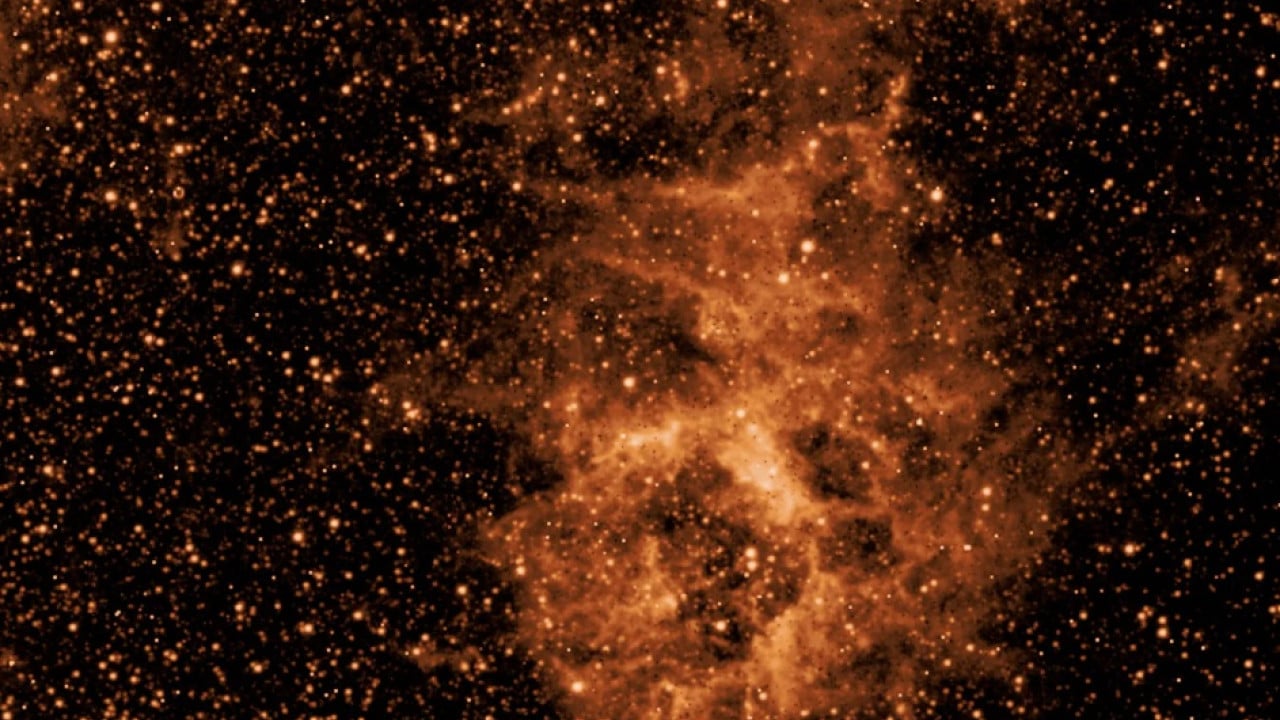
SPHEREx is Now Mapping the Entire Sky
NASA's SphereX mission was launched in March and has completed its science calibration phase. Now it's time to go to work. On May 1, the mission began mapping the entire sky, charting the positions of hundreds of millions of galaxies in 3D. Each day, it'll take 3,600 images in a variety of wavelengths of infrared light. Its primary mission lasts 2 years and will give astronomers a new understanding of the evolution of the Universe.
Read the full story by David Dickinson
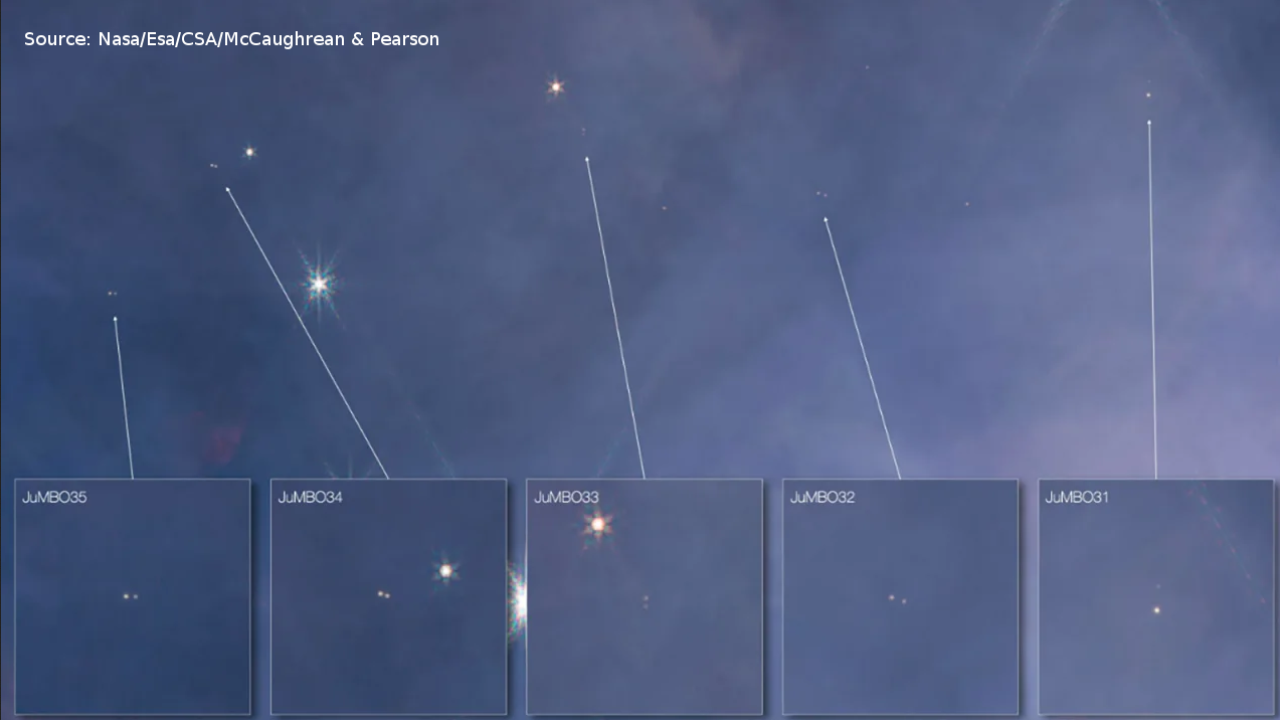
Free Floating Binary Planets Can't Last Long
One of the big discoveries from JWST was the existence of free-floating Jupiter Mass Binary Objects (JuMBOs) in the Orion Nebula. Two Jupiter-like objects orbit one another without a star nearby. In a new study, researchers calculate that 50-90% of JuMBOs should be destroyed within a few million years. Since we can still see them in the Orion Nebula, many more must have formed originally, and these are just the survivors.
Read the full story by Evan Gough

Black Holes as a Great Filter, Artemis 3 Landing Site, Smallest Possible Star | Q&A 318
Can artificial black holes be the great filter for advanced civilizations? Where exactly will the Artemis 3 mission will be landing on the Moon? What's the smallest possible star? And in our Q&A+ version, how much would a fossil from Mars cost? Answering all these questions and more in this Q&A show.
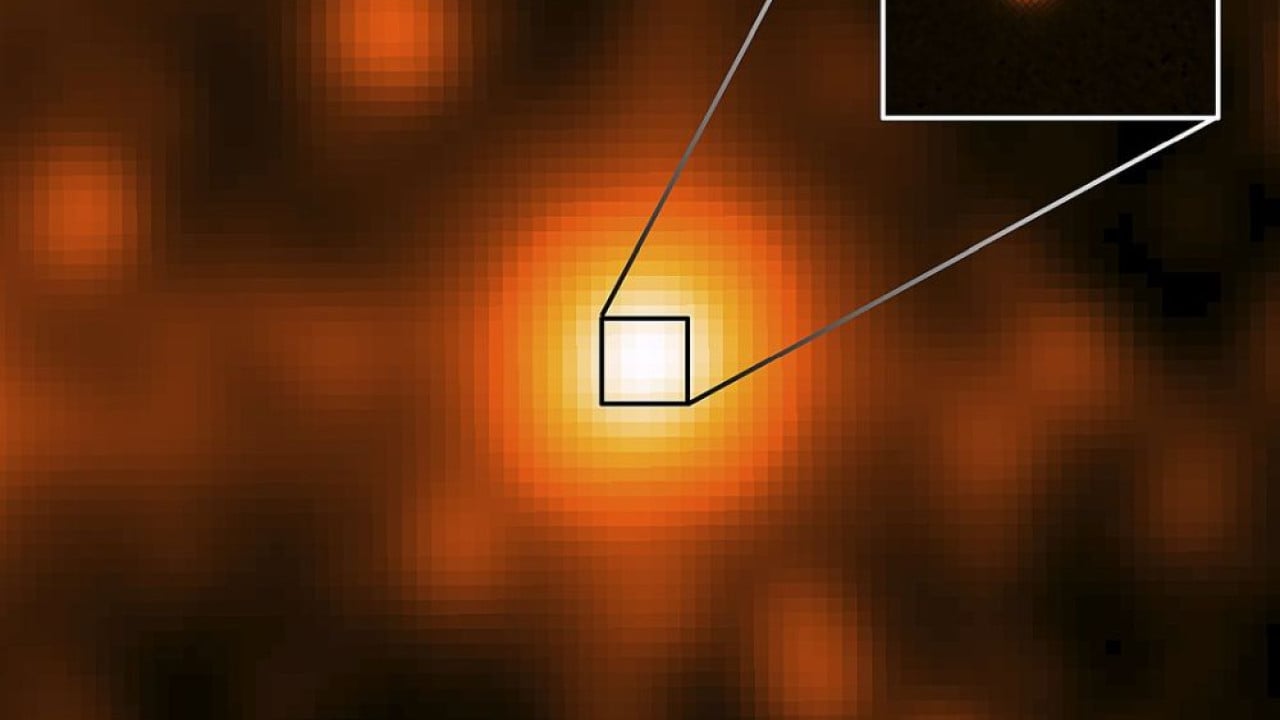
Webb Watches Dramatic Weather Changes on a Pair of Nearby Brown Dwarfs
Luhman 16AB is the closest brown dwarf binary system to Earth, located just 6.5 light-years away. This makes it the perfect target for JWST, which recently spent several hours studying its surfaces. Webb identified three distinct atmospheric layers, each of which had different weather patterns, and at the deepest layer, they identified giant cloud systems rotating in and out of view. They saw the weather patterns change in just a single rotation.
Read the full story by Evan Gough
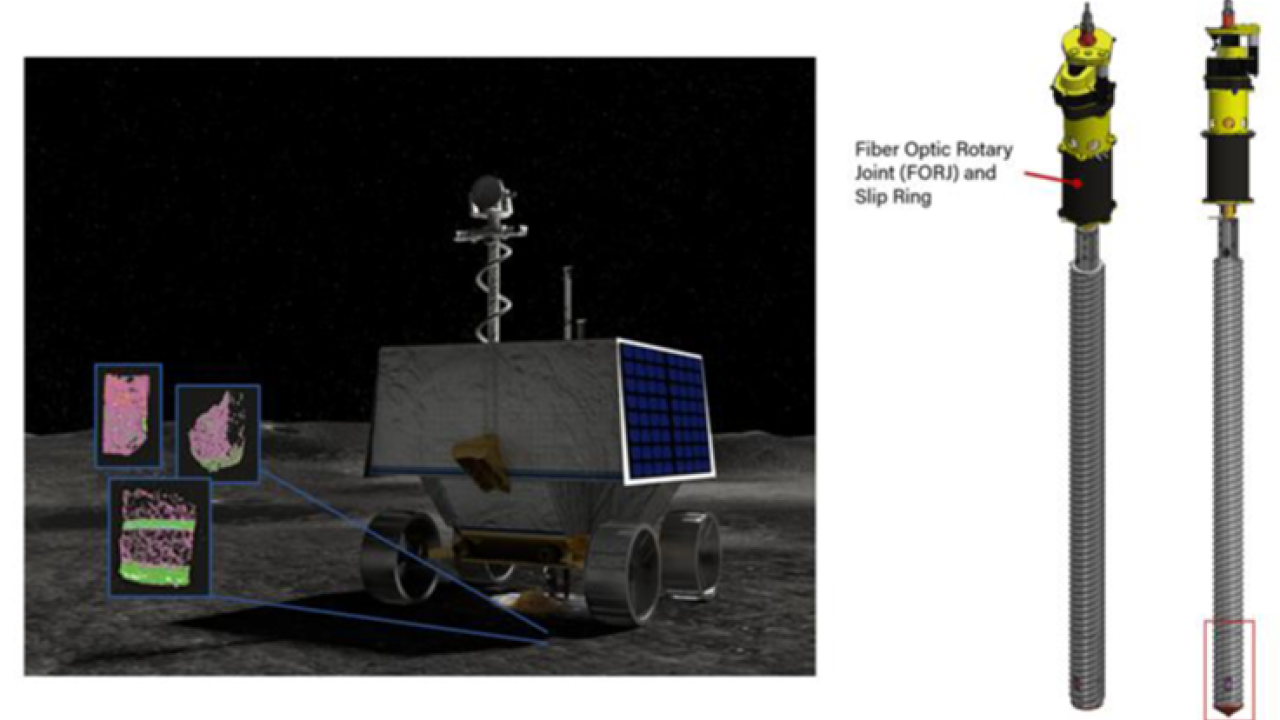
Improving In-Situ Analysis of Planetary Regolith With OptiDrill
The surfaces of worlds, like the Moon or Mars, are bathed in radiation, blasted by the solar wind, and suffer extreme temperature changes. But if you can pull a sample from just a few centimeters below the surface, you can learn more about the geology of the world. Researchers recently presented a new instrument called the OptiDrill that could help collect subsurface samples and make them easier to study in a range of places in the solar system.
Read the full story by Laurence Tognetti, MSc
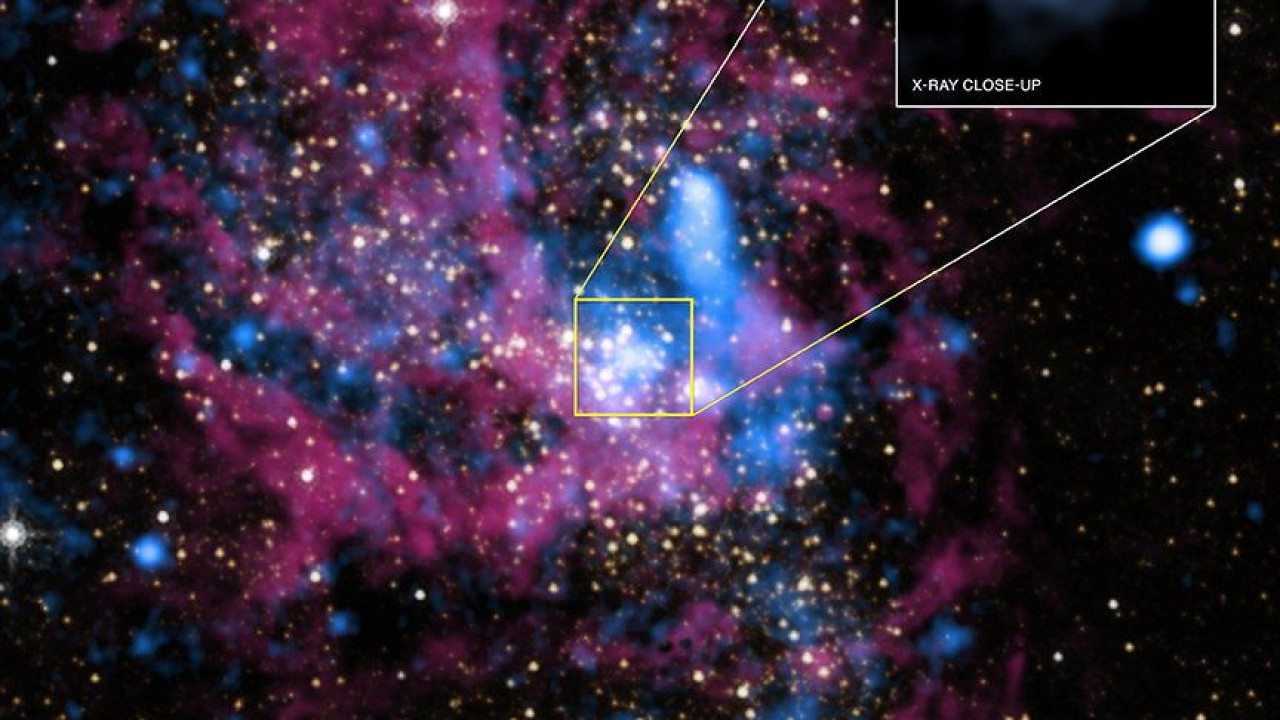
There's a Chorus of Gravitational Waves Coming From the Core of the Milky Way. Will We Hear Them?
The center of the Milky Way is a busy place with a heavy concentration of stars, as well as compact objects like neutron stars and black holes interacting around the supermassive black hole at the center. There should be many binary systems, with everything from twin brown dwarfs to binary black holes spiraling around each other. Researchers calculate that this will cause a complex landscape of overlapping gravitational wave signals that will make observations difficult.
Read the full story by Brian Koberlein
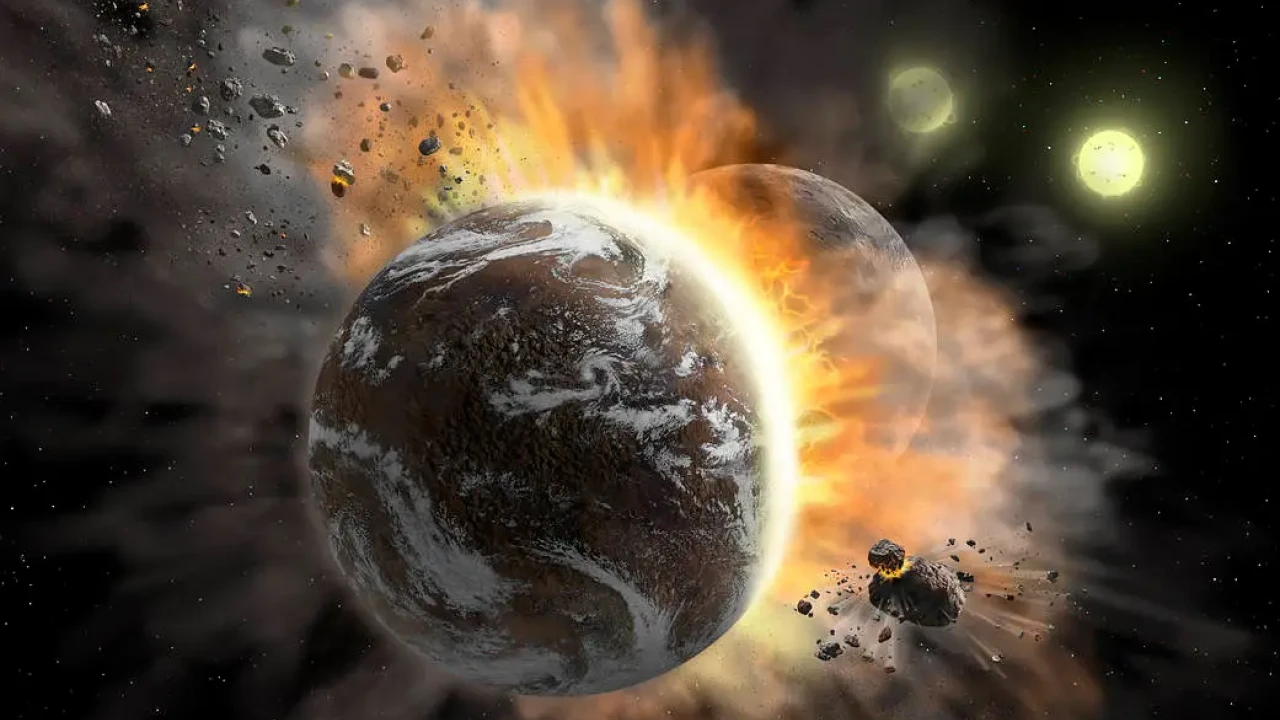
A Single Impact Could Leave a Giant Planet Ringing for Millions of Years
The Moon bears the scars of an early Solar System, when debris was all around, and worlds collided. Similar events are happening in other newly forming planetary systems, and astronomers think the repercussions could last for millions of years. They simulated the Beta Pictoris system, with a Neptune-mass planet impacting a giant planet with 13 Jupiter masses, and found that it would still be varying in brightness for millions of years, detectable with modern instruments.
Read the full story by Evan Gough

Mars Has Many Features That Match Earth
Researchers have identified several features on Mars that look surprisingly similar to conditions on Earth. One notable feature is giant wave-like landforms called solifluction lobes, which are in cold, mountainous regions of Earth, like the Arctic or Rocky Mountains. These are slow-moving patterns similar to fluids running downhill, but on Mars, they're 2.6 times larger because of its lower gravity. They can grow much taller before collapsing on Mars.
Read the full story by Matthew Williams
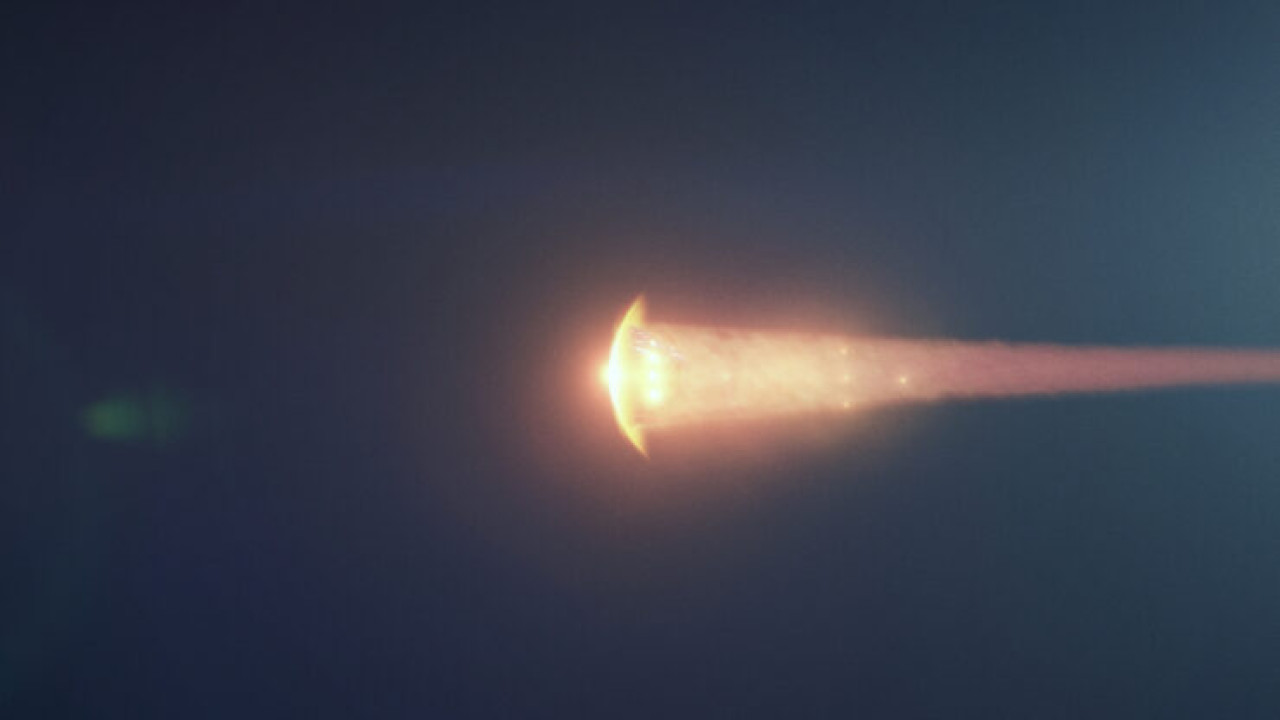
Could Sweating Spacecraft Make Re-Entry Easier?
Returning to Earth is a free ride, using the friction of the atmosphere to shed enormous velocity. But re-entering spacecraft build up high temperatures on their exteriors, which can destroy them (remember the Columbia disaster)? A team of engineers is investigating how a trick of nature—sweating—could work during spacecraft re-entry. A spacecraft would create a layer of gas on its surface that would cool the spacecraft and prevent direct contact with the hot gases.
Read the full story by Carolyn Collins Petersen

A Collaboration Between China and the West Could Find Dozens of Earth-Like Worlds
While NASA and its partners are designing the Habitable Worlds Observatory, astronomers in China are developing the Closeby Habitable Exoplanet Survey (CHES), which will use astrometry (like Gaia) to find planets through stellar wobbles. A new paper suggests that the data from both missions could work together to find dozens of Earth-like planets in habitable zones around nearby stars. They estimate more than 50 candidate planets, more than HWO alone.
Read the full story by Evan Gough
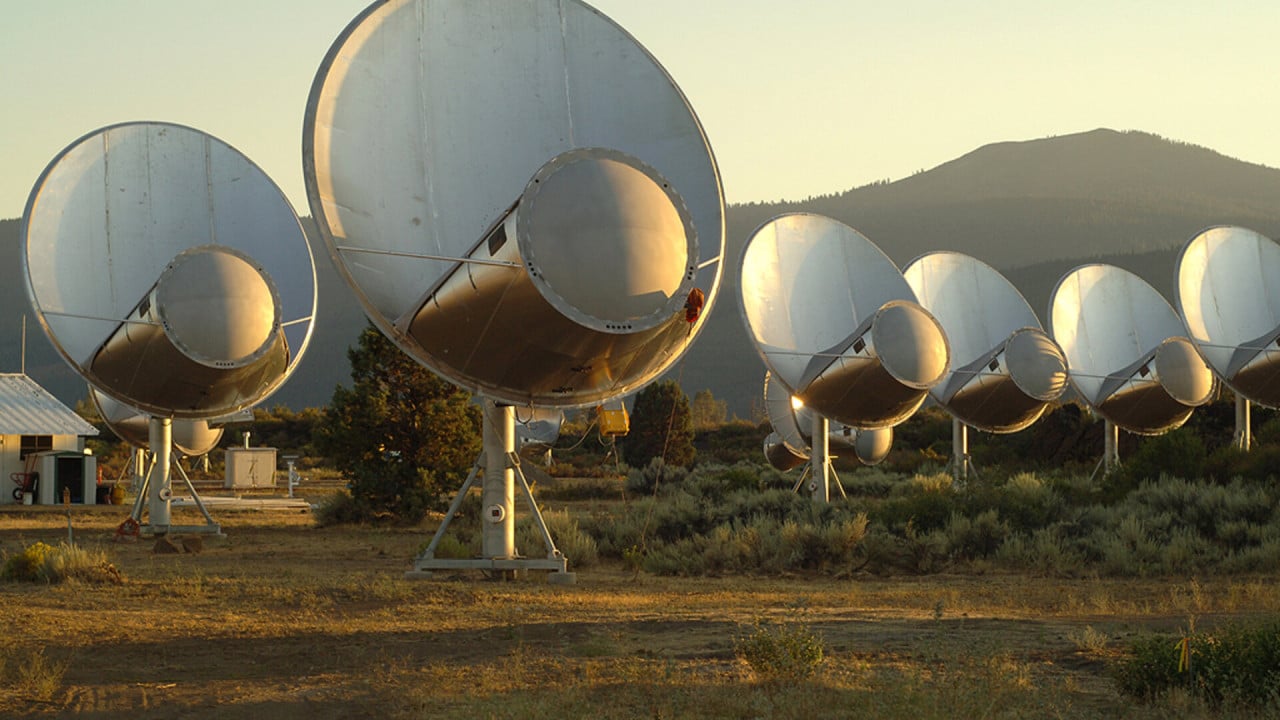
Statistically Speaking, We Should Have Heard From Aliens by Now
The Fermi Paradox is this apparent contradiction between the high chance the Universe has countless civilizations and the total lack of evidence or contact with anyone so far. In a new paper, a researcher calculated the probability that we could have heard at least one signal from an extraterrestrial civilization. Assuming civilizations last for a few hundred years and could be anywhere across the Milky Way, we should have a 99% chance of detecting a signal.
Read the full story by Mark Thompson
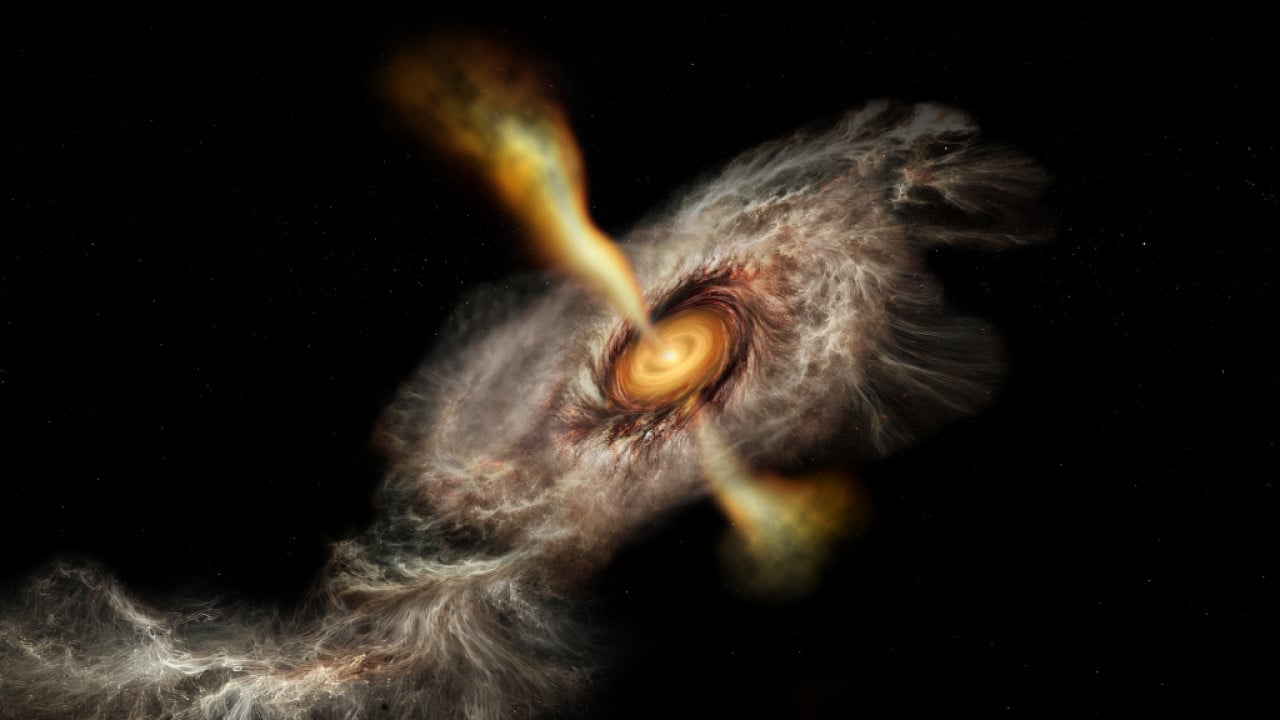
How Do the Most Massive Stars Get So Big?
There are stars that contain much more mass than the Sun, sometimes over 100 solar masses. How can they pack on so much material early on in their lives? Astronomers targeted the ammonia (NH3) molecule, which is commonly found in interstellar gas clouds, watching the path it takes to join a newly forming star. They found that the infalling material is both collapsing inward and rotating around a young star, adding 0.2% solar masses every year.
Read the full story by Evan Gough
Smoking Gun Biosignatures, Dyson Spheres vs Warp Drives, Adopting the Metric System | Q&A 319
Which evidence will be a definite smoking gun when it comes to finding extraterrestrial life? Why is a Dyson sphere more realistic than warp drives? Will America ever adopt the metric system? And in our Q&A+ version, will China be collaborating with other nations in space? Answering all these questions and more in this Q&A show.
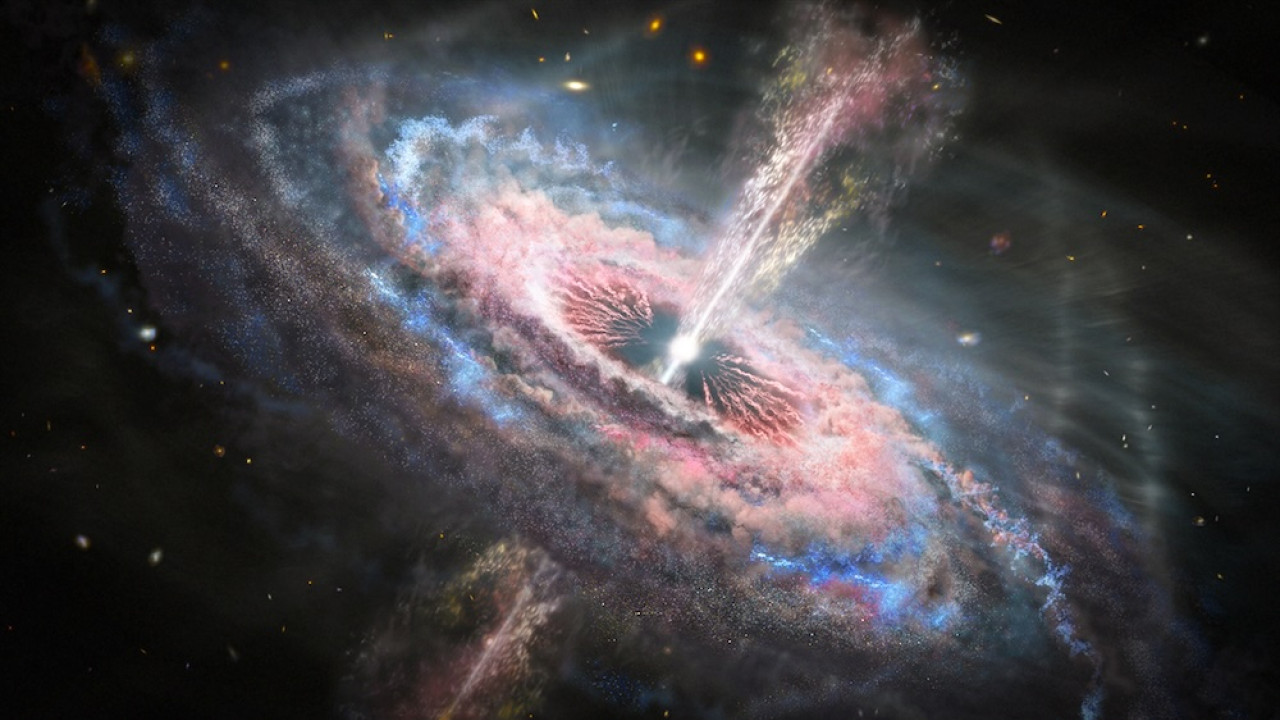
Quasars Don't Last Long. So How Do They Get So Massive?
A mystery in astronomy is how supermassive black holes grew so big, so quickly. Astronomers have looked for quasars, actively feeding supermassive black holes, as a way to measure how much new material they’re accumulating, contributing to their growth. They studied nebulae near the quasars that light up when the quasar is releasing radiation and found that many of the farthest quasars have only been active for a few hundred thousand years, not long enough to grow.
Read the full story by Mark Thompson
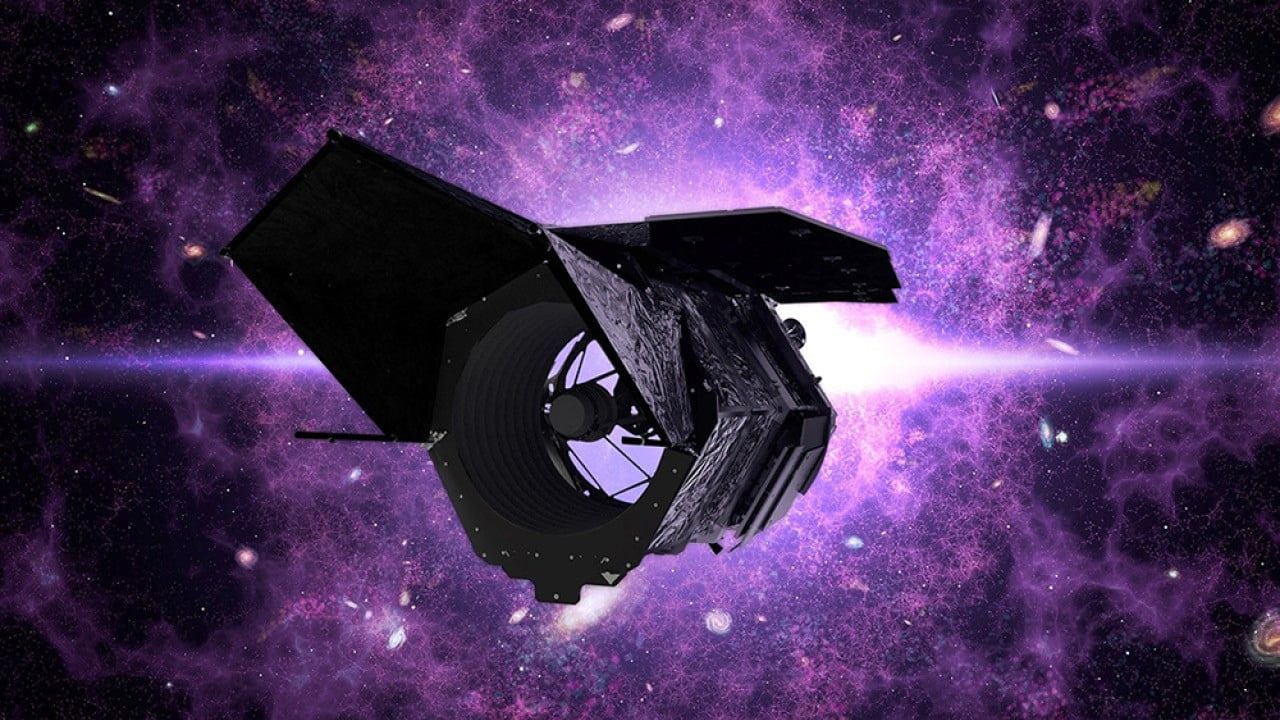
How Many Rogue Planets are in the Milky Way? The Roman Space Telescope Will Give Us an Answer
Astronomers suspect there are many free-floating planets drifting through interstellar space, far away from a star. But how many? According to a new paper, the upcoming Roman Space Telescope will be able to give us a glimpse into the number and mass distribution of rogue planets in the galaxy. Roman will observe thousands of microlensing events, when a rogue planet passes in front of a star, distorting its light. From this, they'll derive an estimate of the total number.
Read the full story by Carolyn Collins Petersen
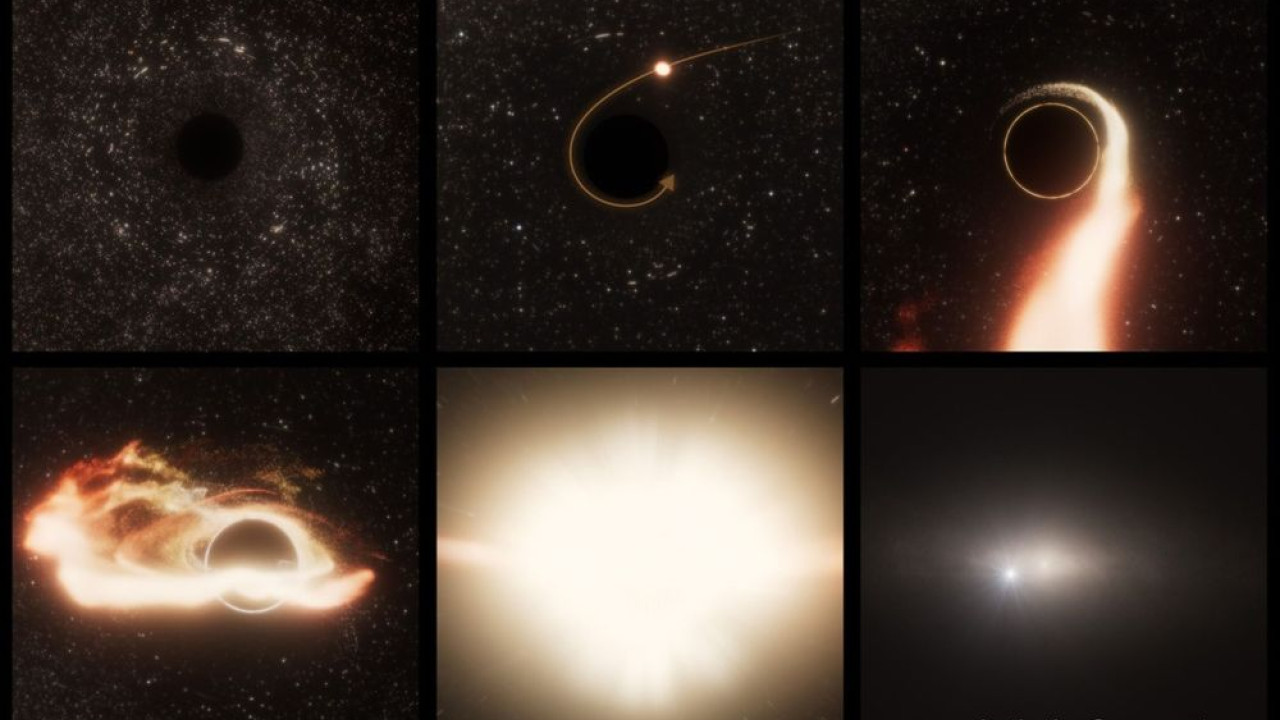
This Supermassive Black Hole Chases its Food
Astronomers have discovered supermassive black holes at the hearts of almost every galaxy in the Universe. When a star passes too close to the black hole, it can be torn apart, releasing a huge amount of radiation, known as a tidal disruption event. Astronomers have found an example where a feasting black hole isn't stuck at the center of the galaxy; it's roaming around the bulge area of its host galaxy.
Read the full story by Evan Gough
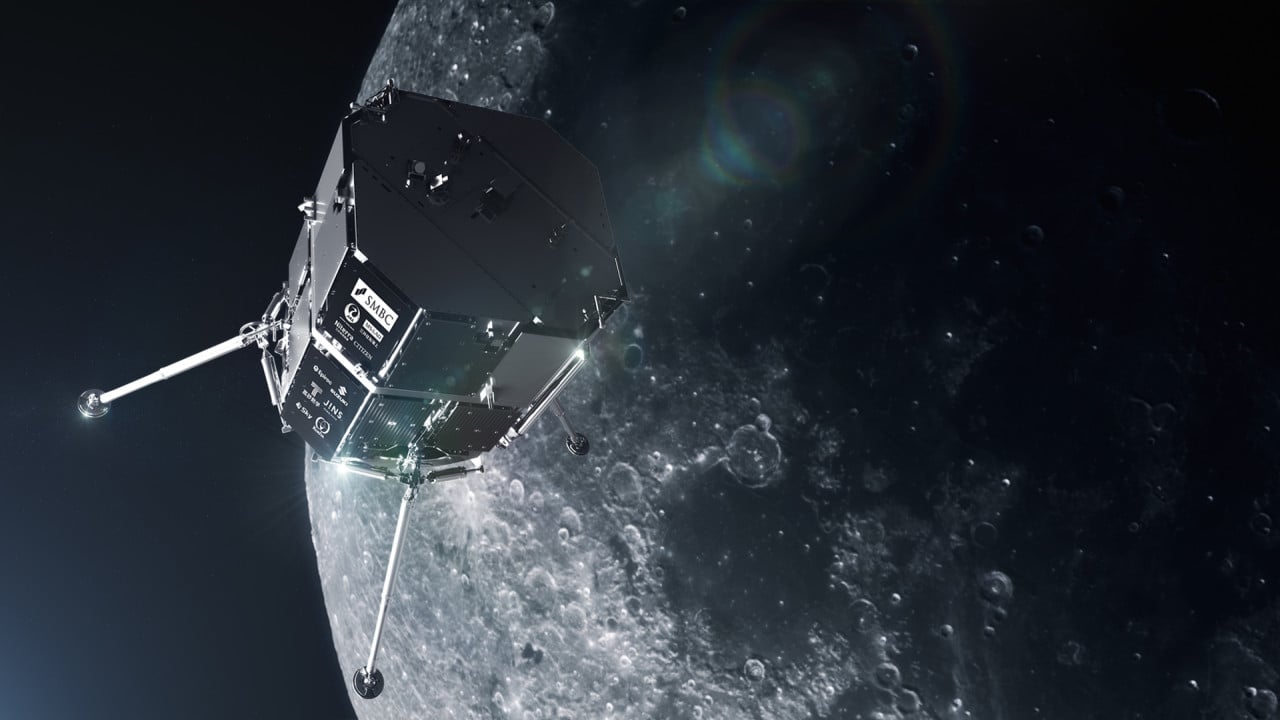
Ispace's RESILIENCE Enters Lunar Orbit. It'll Try to Land in Early June
On May 7th, the Japanese space exploration company ispace announced that its HAKUTO-R RESILIENCE lander entered lunar orbit after completing a 9-minute thruster burn. It's now in a stable lunar orbit, and operators will spend the next month testing and preparing for its landing attempt on June 5. This is the company's second attempt at landing on the Moon, after the first attempt crashed in 2023. It's carrying a micro-rover and several science experiments.
Read the full story by Matthew Williams
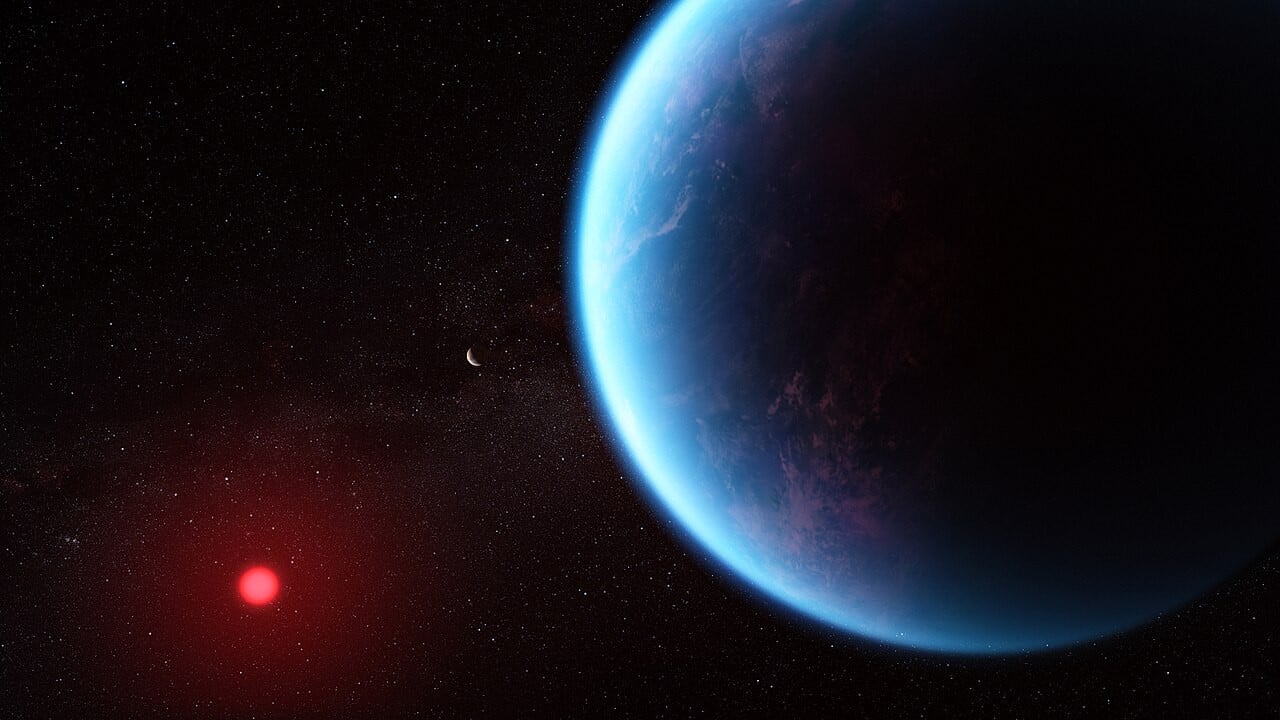
There are Many Ways to Interpret the Atmosphere of K2-18 b
I'm sure you're familiar with the recent announcement of potential biosignatures in the atmosphere of exoplanet K2-18 b. Although astronomers claim JWST detected the presence of dimethyl sulfide and other gases, the astronomical community has been... skeptical. In a new paper, researchers show that if you expand the model space to include more chemical possibilities, the biosignature detection disappears. Many other models give a better fit to the data.
Read the full story by Andy Tomaswick
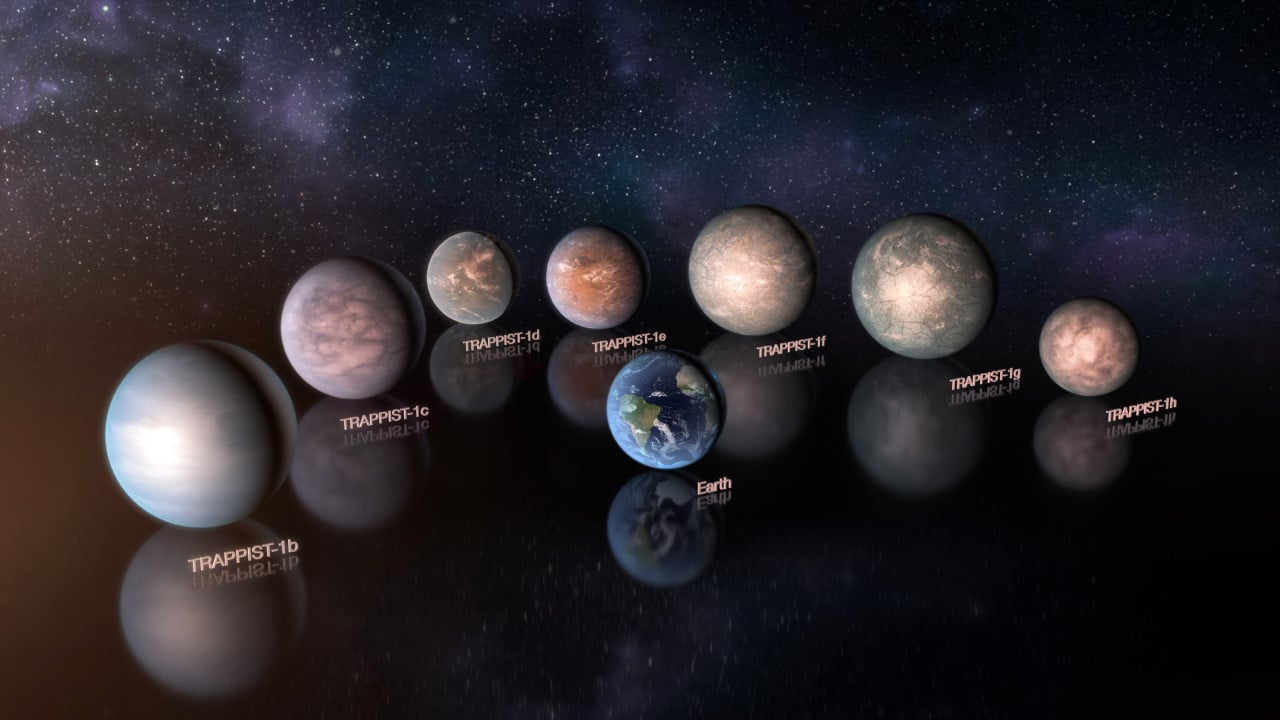
Want to Find Life? You'll Want Several Exoplanets in the Same System to Compare
Astrobiologists continue to find a single definitive biosignature, a single chemical that could be found in the atmosphere of an exoplanet that screams, "there's life here." In a new paper, researchers propose that you need multiple planets in a system to know if you're looking at exo-forests or exo-volcanoes. If there are inhospitable planets in a system, they can serve as an abiotic baseline that you can compare with potentially habitable worlds to see life’s signals.
Read the full story by Brian Koberlein
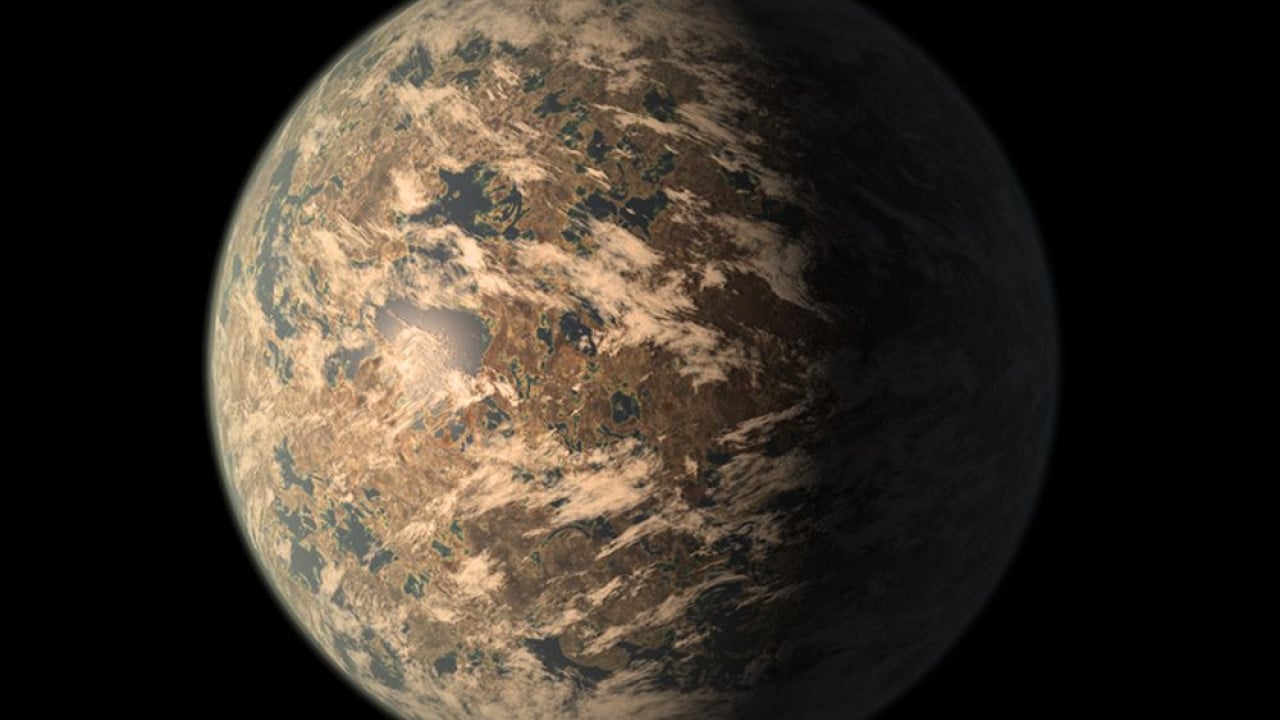
Space Weather Can Dramatically Alter a Planet's Fate
We talk about planetary habitability, but it might be more accurate to talk about the habitability of a planet in relation to its star. That's because the space weather generated by stars can have a serious impact on their planets. Consider red dwarfs, which can release powerful flares directly at the planets that could be huddled up close in their tiny habitable zones. This could have a serious impact on how an exoplanet's atmosphere develops over time.
Read the full story by Evan Gough
Other Interesting Space Stuff
- White House Announces Plans to Rip Up NASA's Moon Program
- China Plans To Bring Back Samples of Venusian Clouds | A Gauntlet of Engineering Challenges Await a Search for Evidence of Alien Life
- JWST’s Most Ambitious View is now Available to Everyone
- The Most “Boring” Part of Cosmic History Shaped our Modern Universe
- Biomass Antenna Deployment Selfie
- Why NASA Should Apply the CLPS Mindset to low-Cost Science Missions, not Just Landers
- NASA Scrambles to cut ISS Activity due to Budget Issues
- A Star has Been Destroyed by a Wandering Supermassive Black Hole
- Moon Becomes Little More out of Reach for NASA's VIPER Rover
- Trump Assaults American Space Science
- Ask Ethan: Could Dark Energy be More Negative Than a Cosmological Constant?
- What Do We Do With All Those Gateway Pieces?
Thanks!
Fraser Cain
Publisher
Universe Today
As always, if you have comments or questions, or suggestions on how I can improve this newsletter, please don't hesitate to reply this email or email me at [email protected].

This work is licensed under a Creative Commons Attribution 4.0 International License.
Click here to Unsubscribe from this list.
Universe Today - #3400 333 Hunt Road - Courtenay, BC V9N 3R6 - Canada