
It's here! It's finally here! After four years of waiting, astronomers working with ESA's Gaia mission have released the third and largest data release from the space telescope. Designated DR3, this release contains detailed astrometric information on almost two billion stars in the Milky Way, including chemical composition, temperatures, colors, masses, ages, and velocity. It also turned up over 150,000 asteroids and comets in the Solar System and over a million galaxies and quasars.
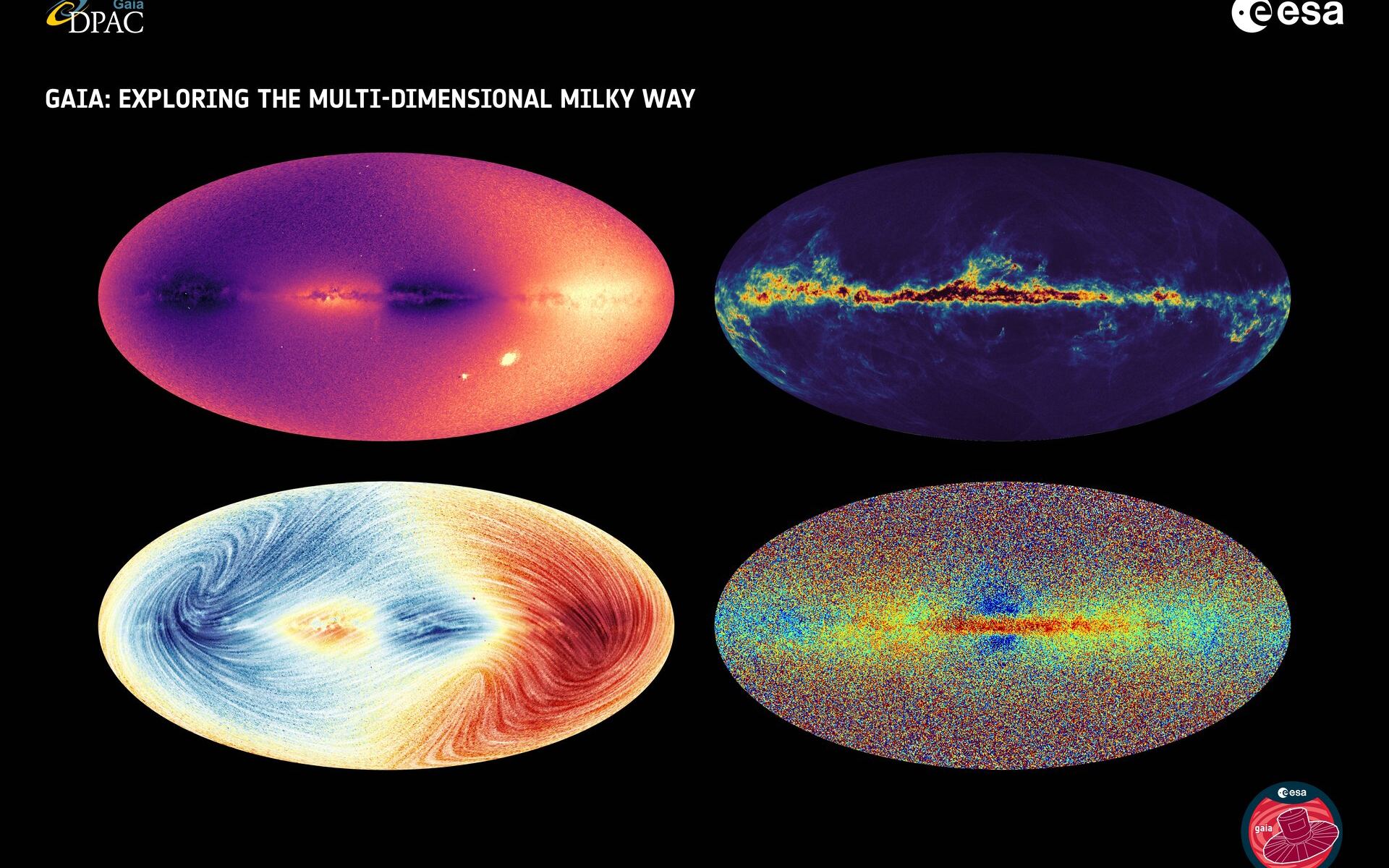
Gaia's Massive Third Data Release is out!
This release is significant because it contains spectroscopy data, allowing astronomers to see the chemical fingerprint of stars, learn their composition, and even detect planets in orbit.
A 4th and 5th data release is expected to come out in the coming years giving astronomers even more information about the Milky Way.
Thanks!
Fraser Cain
Publisher
Universe Today
As always, if you have comments or questions, or suggestions on how I can improve this newsletter, please don't hesitate to reply this email or email me at [email protected].

This work is licensed under a Creative Commons Attribution 4.0 International License.

Patrons, don't forget to log in to Universe Today. That'll remove all the ads for you. Join the 1060 Patrons who get our videos early, see behind the scenes, and get no ads on Universe Today.
Can ISS Be Recycled, Artificial Meteor Storms, Can Hubble See JWST | Q&A 188
In this week's questions and answers show, I explain why most quasars are very far away, consider what would happen if you brought Pluto into the inner Solar System, and deliver the heartbreaking news of why the ISS won't be recycled.
Subscribe to our podcasts:
Universe Today Guide to Space Audio: iTunes - RSS - YouTube
Audio versions of all the media I upload to my YouTube channel, as well as bonus content, behind the scenes, interviews with Fraser and more
Astronomy Cast: iTunes - RSS - YouTube
Your weekly facts-based journey through the cosmos, which I co-host with astronomer Dr. Pamela Gay. We have episodes on every concept in space and astronomy, from black holes to the history of astronomy.
Weekly Space Hangout: iTunes - RSS - YouTube
A weekly round-up of all the breaking space news. Rocket launches, new discoveries from Hubble, and planetary science by a round table of scientists and space journalists.
Upcoming Shows:


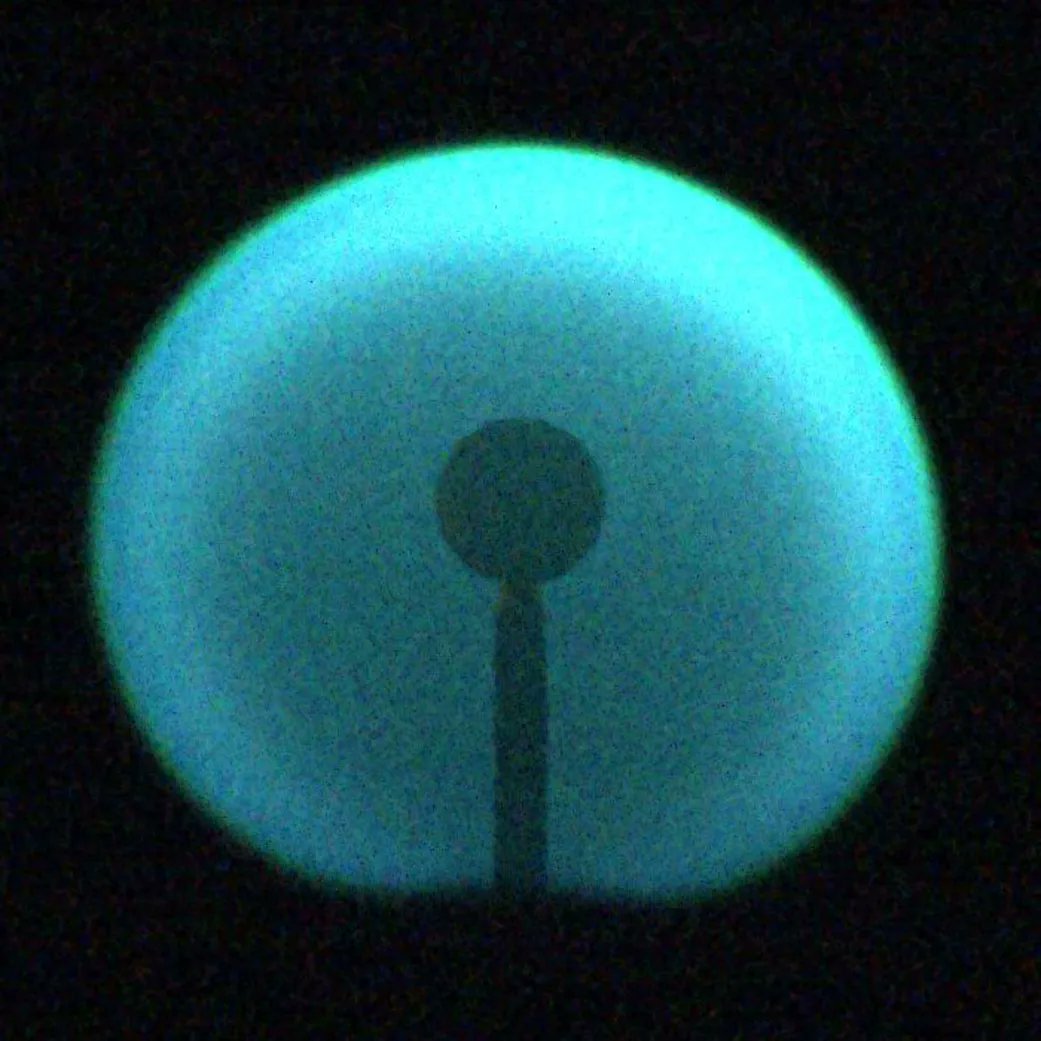
Fire Acts Strangely in Microgravity. Astronauts Have Lit More Than 1,500 Fires on the Space Station to Figure Out Why
Fire on a space station is incredibly terrifying, so you might be surprised to learn that NASA has lit more than 1,500 fires onboard the International Space Station. Very carefully, with plenty of safety precautions. They have a special experiment on the ISS that lets them modify the fires and learn how they grow and spread in microgravity. Without gravity pulling them down, scientists can learn more about the underlying physics influencing flame structure and behavior.
Read the full story by Laurence Tognetti
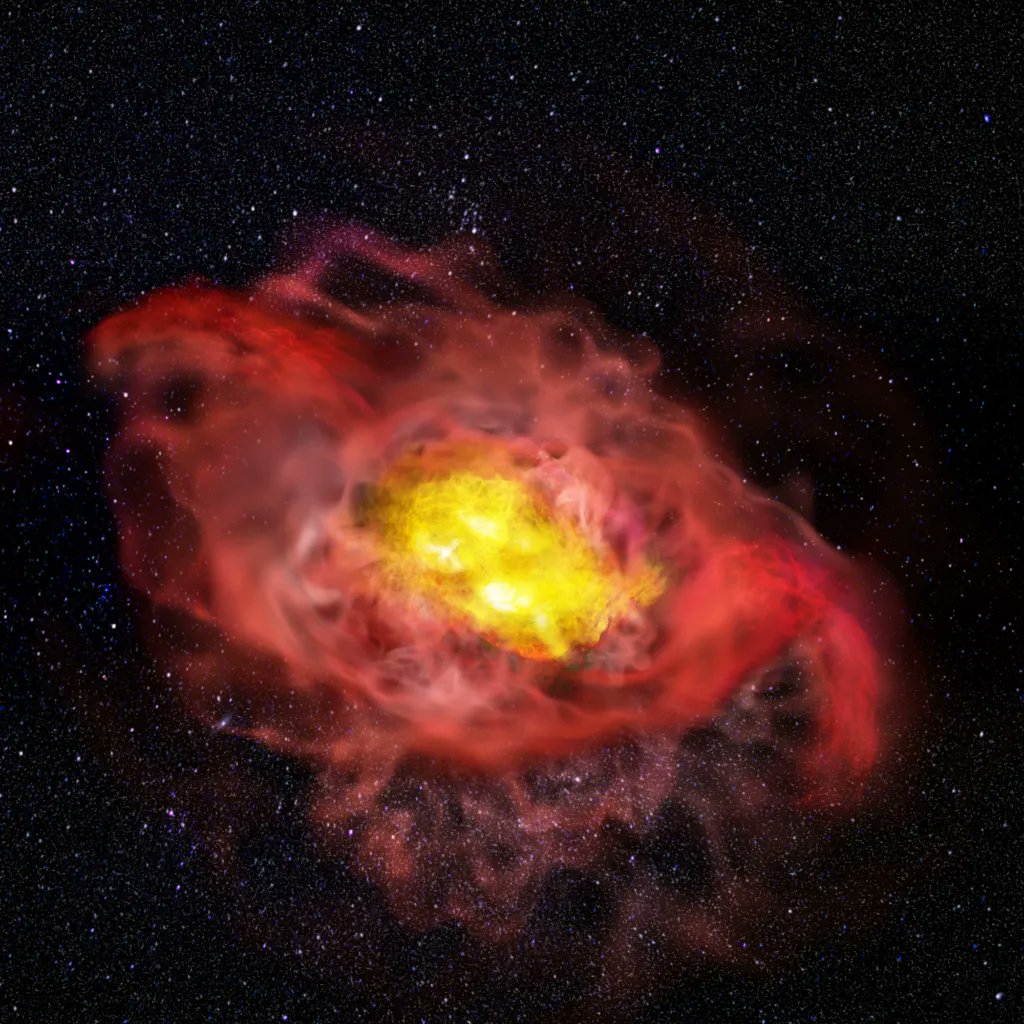
Once Again, Galaxies Look Surprisingly Mature Shortly After the Beginning of the Universe
As astronomers look farther out into the Universe, they're looking further back in time. The Hubble Space Telescope has its limits, but thanks to gravitational lenses, it can see to just a few hundred million years after the Big Bang, the very beginning of the Universe. A well-studied galaxy is seen only 500 million years after the Big Bang, and yet, it looks surprisingly mature, with active star formation and the outflows of material from supernovae.
Read the full story by Scott Alan Johnston
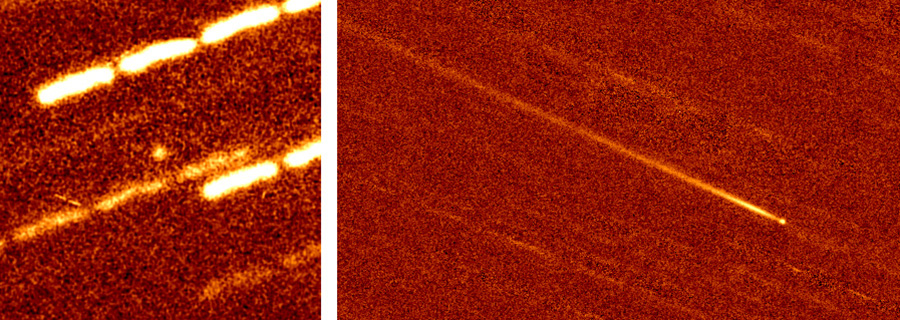
Astronomers Watched a “Near-Sun” Comet Disintegrate as it Flew too Close to the Sun
The most successful comet hunter in history is NASA's Solar and Heliospheric Observatory (SOHO). This mission is supposed to be watching the Sun, but it happened to notice 4,000 Sun-grazing comets in its history. Often these comets plunge into the Sun or are torn apart by the intense heat and tidal forces, but astronomers have seen one comet come back several times, getting baked repeatedly. They were able to watch its latest pass and saw parts of the comet break off due to thermal fracturing.
Read the full story by Nancy Atkinson
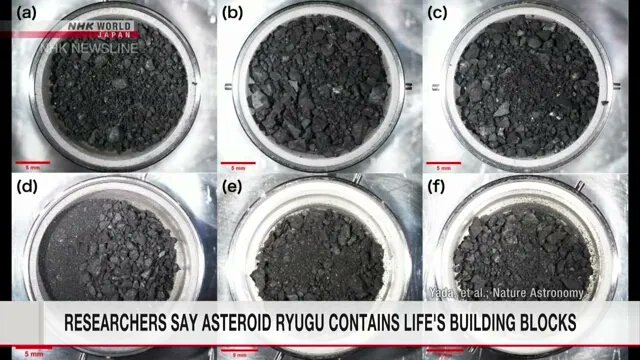
Samples of Asteroid Ryugu Contain More Than 20 Amino Acids
JAXA's Hayabusa2 spacecraft returned samples of asteroid Ryugu to Earth in 2020, and scientists have been studying it ever since. Over the last two years, they've analyzed the samples and discovered evidence of amino acids, which are the building blocks of the proteins used by life. At the latest count, they've found no less than 20 different amino acids. This helps to confirm the theory that the building blocks of life on Earth were delivered by comets and asteroids.
Read the full story by Matt Williams

Want to Own a Meteorite From Geoff Notkin’s Personal Collection?
Read the full story by Nancy Atkinson
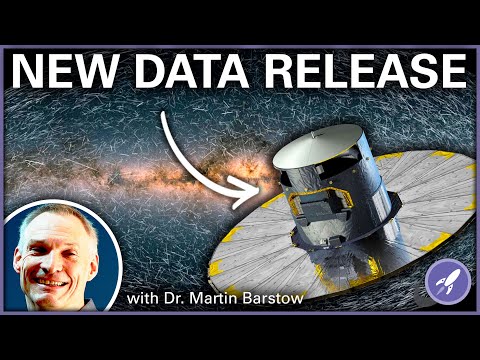
Gaia Data Release 3 With Dr. Martin Barstow
Dr. Martin Barstow is is a Professor of Astrophysics and Space Science at the Department of Physics and Astronomy at the University of Leicester and the former President of the Royal Astronomical Society. Dr. Barstow was part of the team who worked on the recent Gaia Data Release 3, which categorized almost 2 billion stars in the Milky Way.
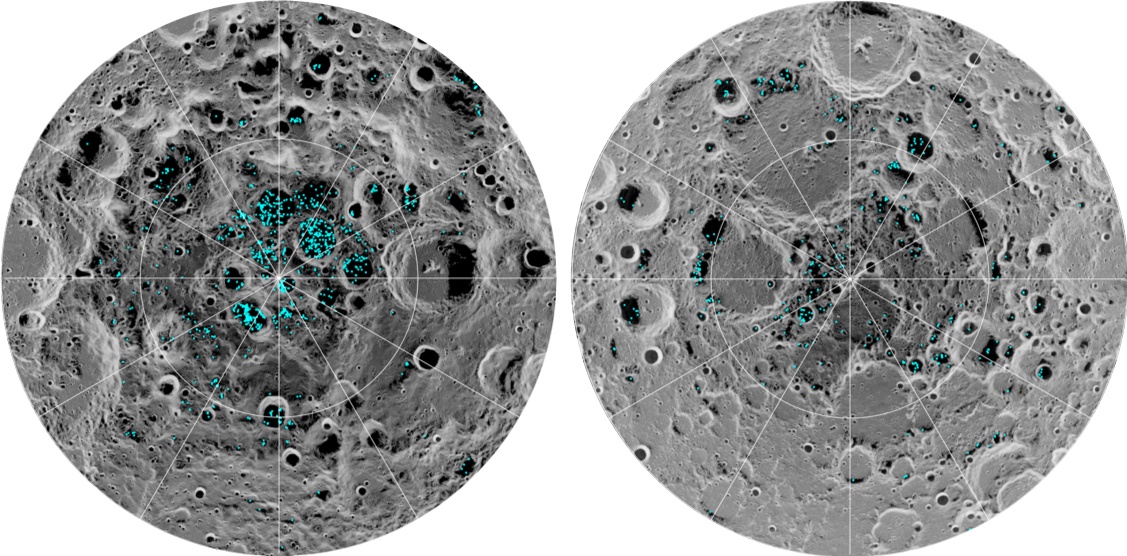
The Moon Could Have Gathered Some of its Water From the Earth’s Atmosphere
Astronomers have discovered water on the Moon, both in the permanently shadowed craters at its poles but also mixed in with the regolith. Where did this water come from? The leading theory is that it was delivered by comets and asteroids over billions of years. It also might have formed in place as hydrogen atoms from the Sun embedded into the surface of the Moon and bonded with oxygen atoms. A new theory suggests that the Moon's water could also have come from atoms escaping the Earth's atmosphere.
Read the full story by Laurence Tognetti
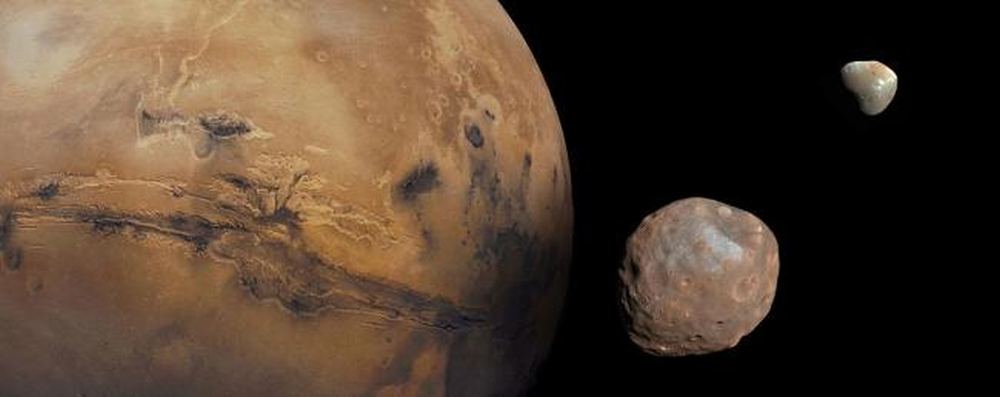
Could We Use Mars as a Base for Asteroid Mining?
We know the Solar System contains asteroids filled with valuable minerals. What's the best way that we could harvest them for use in space and on Earth? According to a new study, Mars might make the perfect place to coordinate our asteroid mining efforts. From Mars to the asteroid belt takes much less propellant than traveling from low Earth orbit. Mars' moon Phobos is already out of the planet's gravity well and might make the perfect way station for transferring material from world to world.
Read the full story by Evan Gough
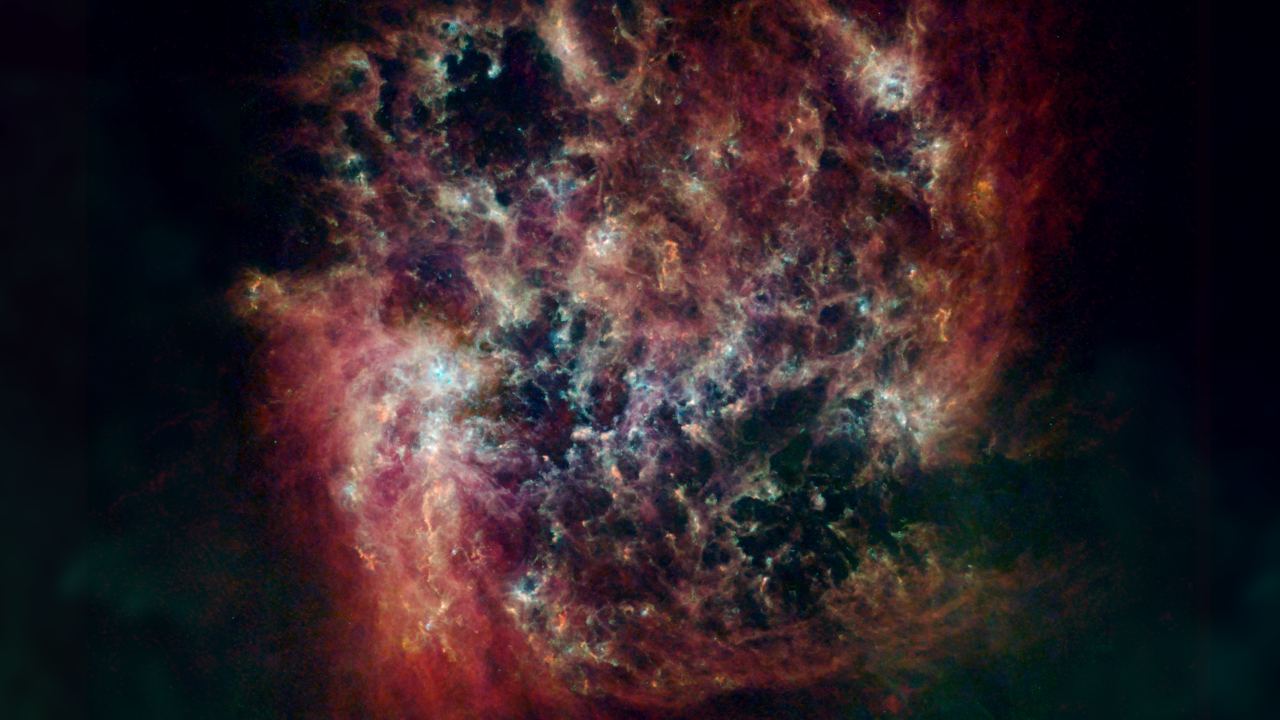
A Totally new View of the Large Magellanic Cloud (and More!) From Retired Telescopes
Astronomers have merged images from four retired telescopes to create this stunning view of the Large Magellanic Cloud. ESA's Herschel telescope was retired in 2013 and viewed the Universe in infrared, allowing it to peer through the gas and dust that obscure starforming regions of the dwarf galaxy. For the areas, it can't see. However, astronomers used additional data from the Planck observatory, the Infrared Astronomical Satellite, and the Cosmic Background Explorer.
Read the full story by Nancy Atkinson
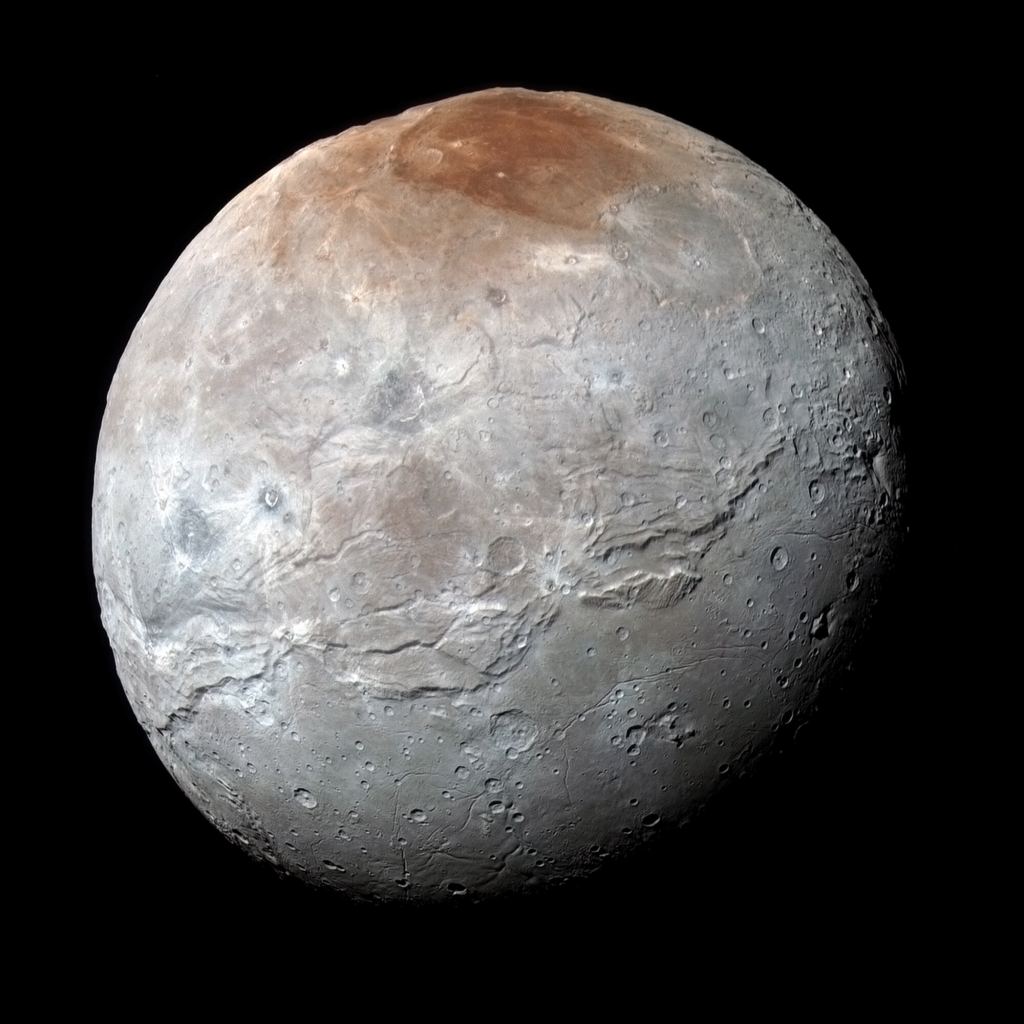
Charon’s Red Cap at its North Pole? We Might Have an Answer
When NASA's New Horizons made its flyby of Pluto and Charon, it gave us an entirely new view of the binary dwarf planet pair. One surprising discovery was the red material at Charon's northern pole. Where did it come from? Astronomers suggested that it must be some interaction between the methane in Charon's thin atmosphere and ultraviolet radiation from the Sun. Scientists recently replicated the conditions at Charon and demonstrated the mechanisms that lead to the accumulation of reddish material.
Read the full story by Laurence Tognetti
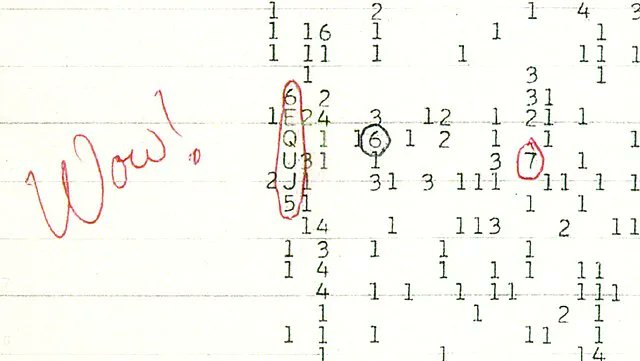
Another few Weeks of Observations Could Tell us if the Wow! Signal Repeats
Although astronomers have been scanning the skies for decades, they've never detected an unambiguous signal of an extraterrestrial civilization. One of the most exciting is the Wow! Signal, seen with the Big Ear radio telescope in 1977. The signal was so strong that an astronomer wrote Wow! on the data printout. The signal was never repeated. But it may repeat, and astronomers didn't observe it long enough. According to a new study, several weeks of continuous observations should tell us if it's a repeating signal or not.
Read the full story by Brian Koberlein
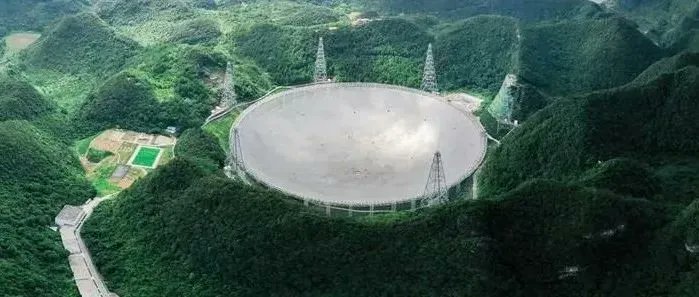
Chinese Astronomers Detect an Interesting (Probably not Alien) Signal With the FAST Radio Observatory
Did you hear the news that Chinese astronomers detected a signal that might have come from extraterrestrials? Were you skeptical? Good, that was the correct position to take. Further study suggests that the exciting signal came from a source here on Earth that leaked in from the side of the 500-meter FAST radio observatory. Despite the false alarm, FAST is enormous and the perfect instrument to search for these kinds of signals. Hopefully, we'll detect the real deal.
Read the full story by Matt Williams
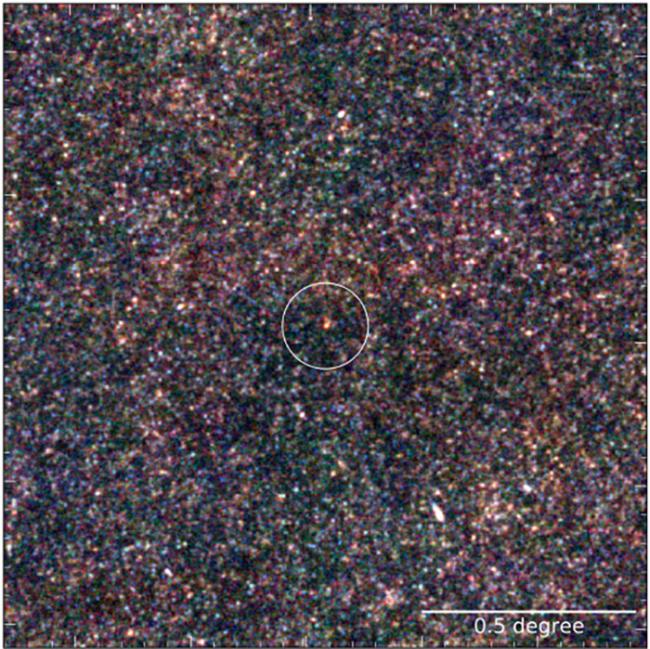
This Tiny Dot is one of the Biggest, Most Active Galaxy Superclusters Ever Seen. It Was Already a Monster Shortly After the Big Bang
At the very center of this picture is a single dot. Although it looks unassuming, it's a vast supercluster of galaxies seen less than two billion years after the Big Bang. The supercluster was discovered using the South Pole Telescope, with follow-up measurements made by the Gemini Observatory, Hubble, and Spitzer space telescopes. This cluster contains hundreds of galaxies, together producing over ten thousand stars a year.
Read the full story by Nancy Atkinson
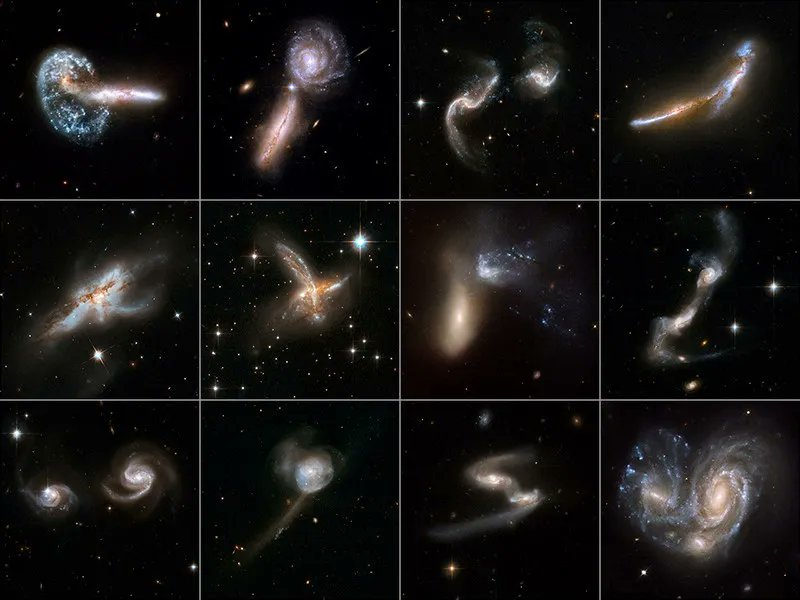
Plenty of Examples That Giant Galaxies Like the Milky Way Formed Through Mergers
The Milky Way is enormous, stretching across hundreds of thousands of light-years. How did it get so big? Mergers. Astronomers have suspected this for decades, but they're gathering more and more evidence of this process in action. The Hubble Space Telescope has captured images of many galaxies in various stages of a merger with stunning clarity. What we see in other galaxies must have happened in the Milky Way too.
Read the full story by Evan Gough
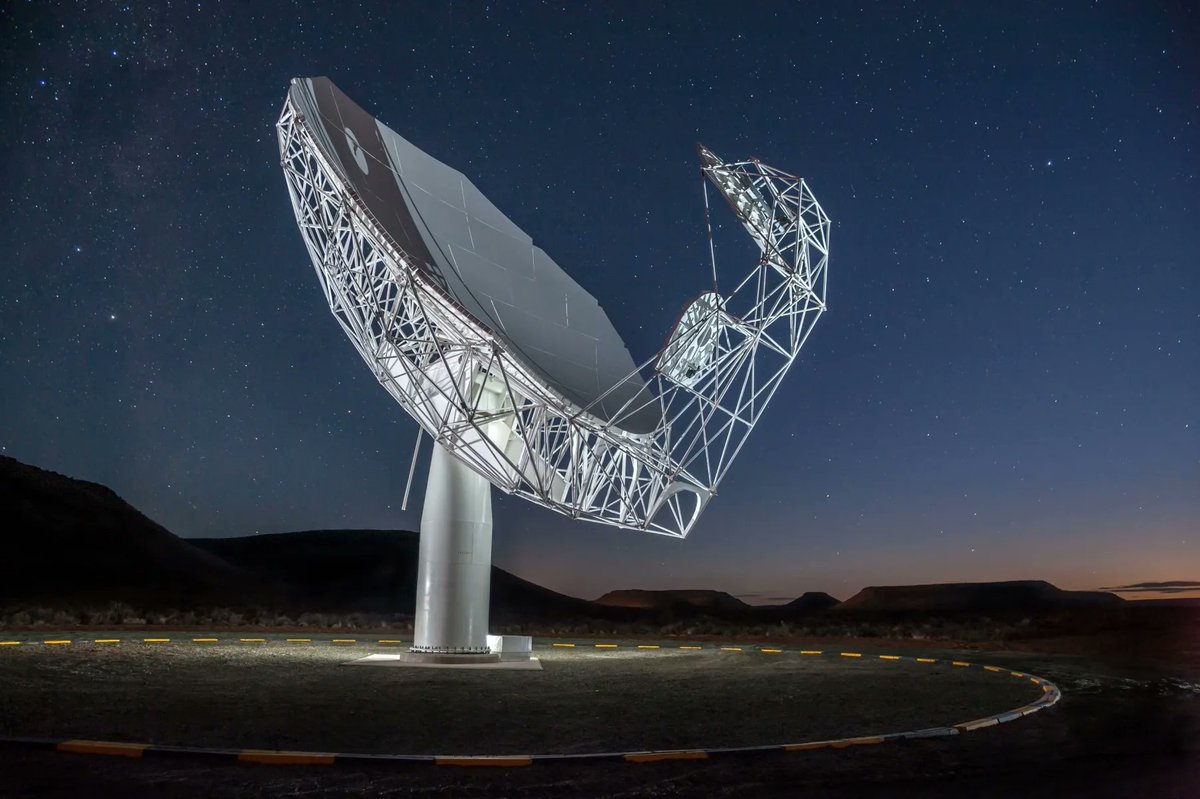
64 Radio Telescopes Come Together to act as a Single Giant Observatory
The MeerKAT telescope is an array of 64 separate ratio antennas located in South Africa. This is a precursor instrument to the upcoming Square Kilometer Array, which will consist of telescopes in South Africa and Australia. Astronomers have combined the 64 separate telescopes into a single giant instrument, allowing it to detect the faint signature of neutral hydrogen gas across the Universe. This will help astronomers learn more about a time in the early Universe called the "Dark Ages" before the first galaxies came together.
Read the full story by Matt Williams
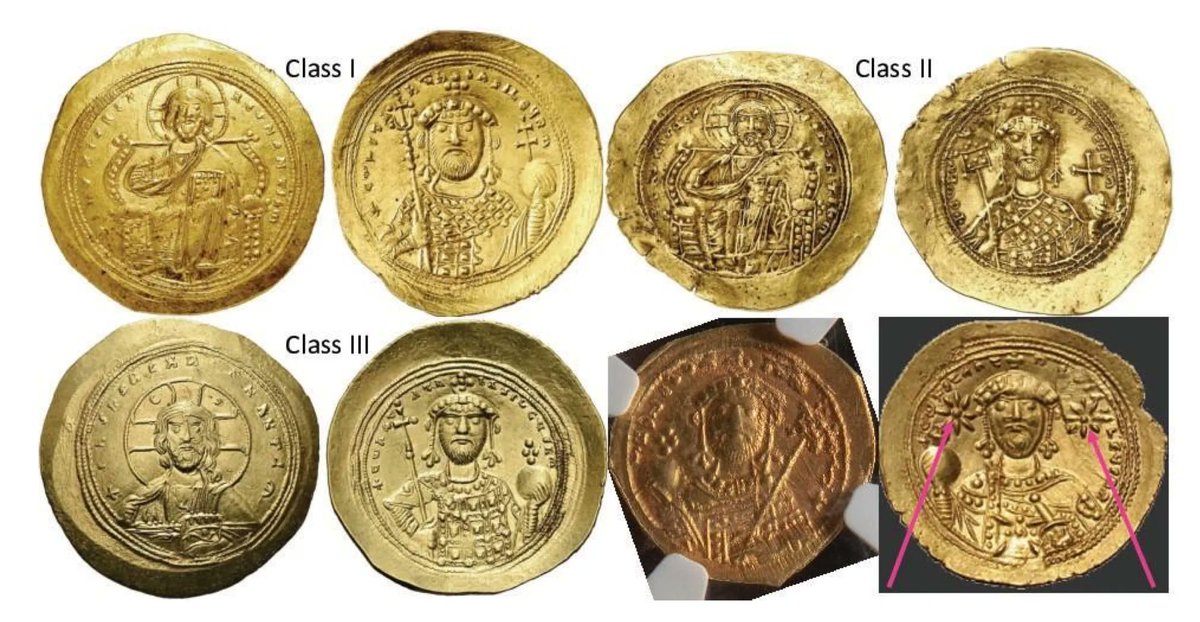
Do Ancient Coins Record the Supernova of 1054?
We haven't had a nearby supernova in hundreds of years. We can only learn about them through historical observations, like paintings and stories. Archeologists noticed that ancient coins from the Byzantine empire showed stars around the head of the emperor. These may be a reference to the famous supernova of 1054 AD referenced in Chinese texts. Interestingly, the size of the star in the coins seems to change in size, matching how the supernova might dim over several months of observations.
Read the full story by Andy Tomaswick
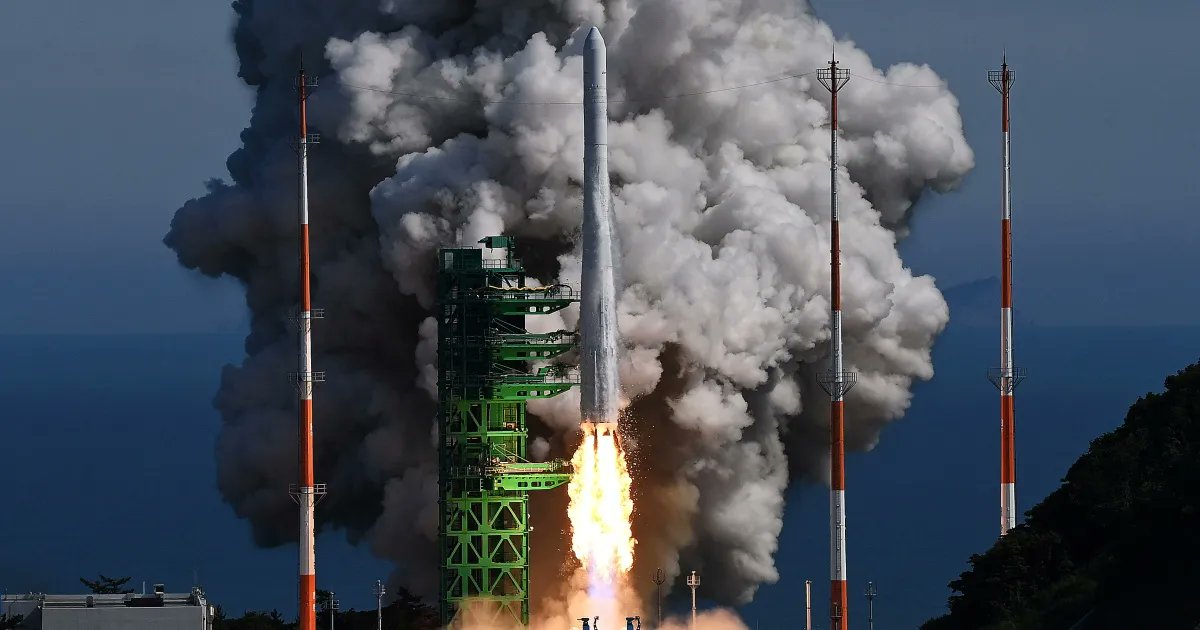
South Korea is now a Space-Faring Nation With the Orbital Launch of Their Homegrown Nuri Rocket
This week Korea became a spacefaring nation with the first successful launch of their Nuri rocket, which launched on June 21st. The 47-meter rocket carried a test payload and successfully delivered it to an altitude of 700 km. The previous launch attempt in October 2021 failed, with a technical issue with its third stage preventing it from reaching its final altitude. With this launch, Korea becomes the 10th nation capable of launching payloads into orbit.
Read the full story by Matt Williams
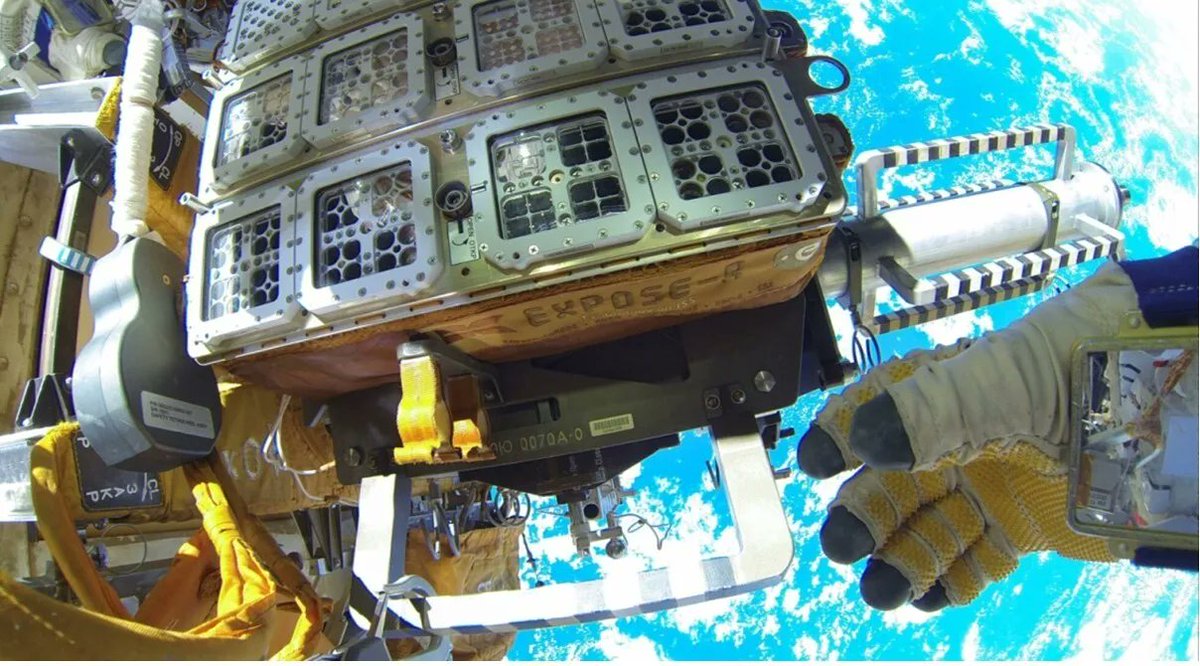
If Bacteria Drink Kombucha, They Stand a Better Chance of Survival on Mars
Have you ever tasted Kombucha? It's a fermented tea that's an acquired taste. While the jury is still out on its health benefits for humans, there seems to be evidence that feeding a kombucha culture to bacteria helps it survive conditions it might experience on Mars. Scientists send kombucha cultures to the International Space Station, where they spent over a year exposed to the harsh conditions of space. The bacteria handled its time in space just fine, ready to live on Mars if given a chance.
Read the full story by Andy Tomaswick
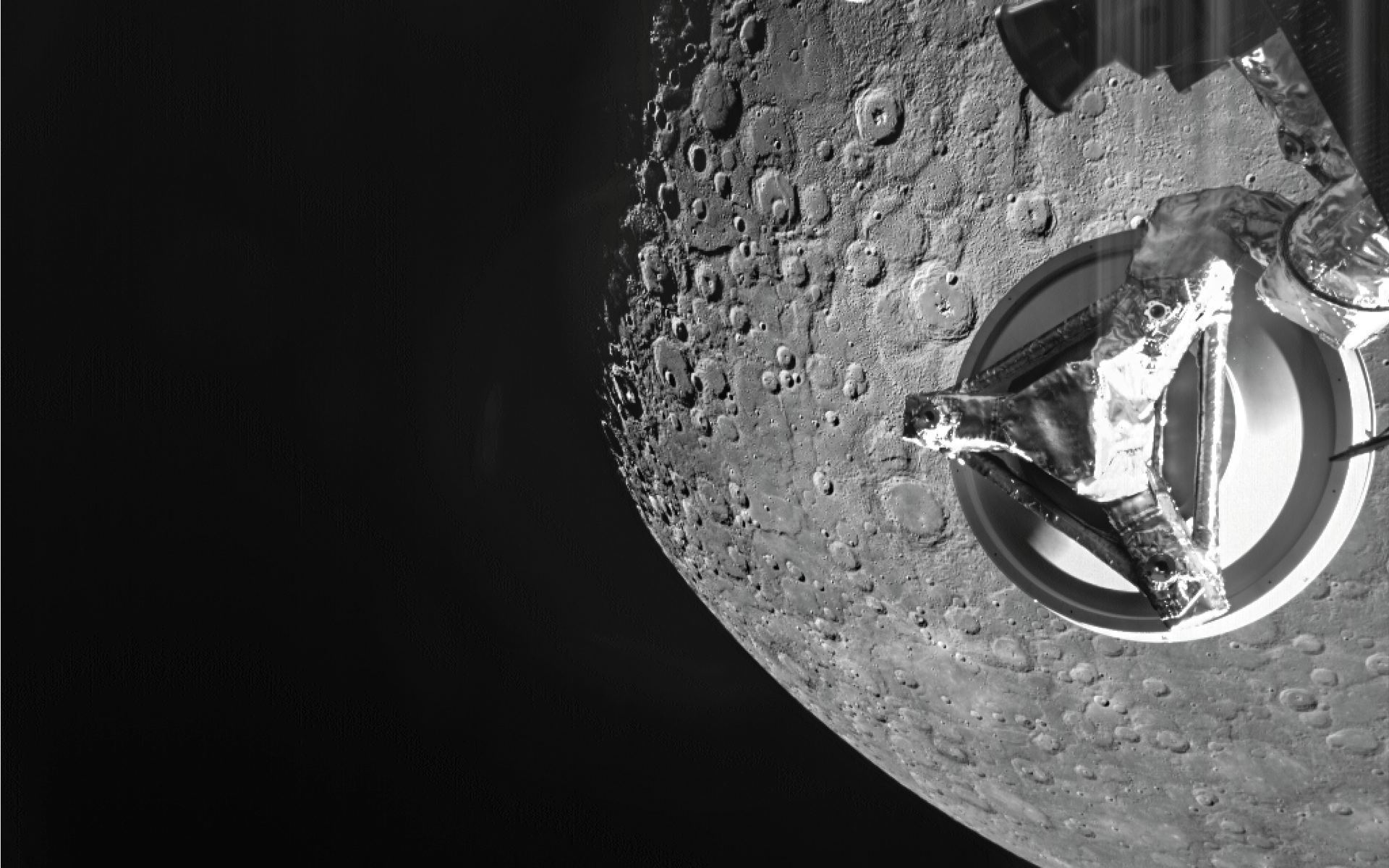
BepiColombo’s Second Mercury Flyby
ESA/JAXA's BepiColumbo spacecraft made its second flyby of Mercury on Thursday, taking some new pictures before flying off into space again. The spacecraft will need to make six flybys of Mercury before it can finally go into its final orbit around the planet and begin its primary science mission. This will make it the third spacecraft to visit Mercury, after the Mariner 10 flyby and NASA's Mercury Messenger.
Read the full story by David Dickinson
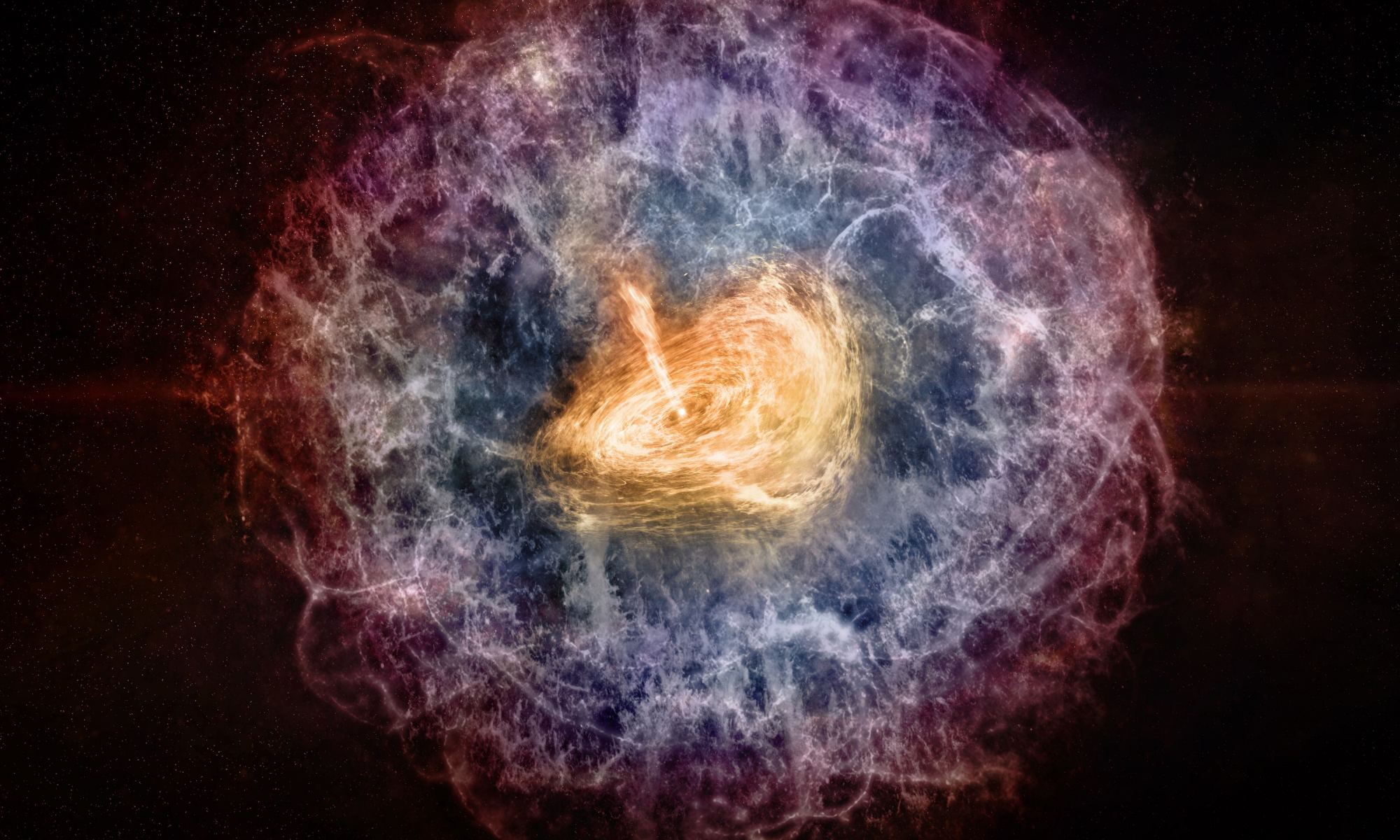
Astronomers Find a Brand new Pulsar That's Probably Less Than 14 Years old
When giant stars reach the ends of their lives, they detonate as supernovae, leaving behind dense remnants, either neutron stars or black holes. Astronomers have found one neutron star that's brand new; they think it could be as young as 14 years old. The star is located in a dwarf galaxy about 400 million light-years away. It was first seen in 2018 and mapped over the next few years. But when astronomers looked back at older data captured in 1998, the star wasn't there.
Read the full story by Brian Koberlein
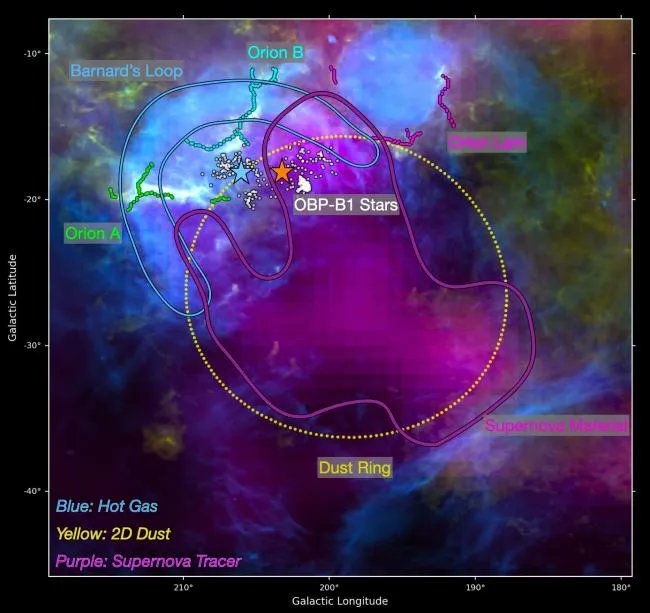
Recent Supernovae Produced Giant Cavities in the Orion Nebula
The Orion Nebula is a massive starforming region that's so close you can see it in a pair of binoculars or a small telescope. There are new stars forming, but also the wreckage from recently exploded stars. Each supernova leaves its mark on the region, carving out numerous cavities in the surrounding area. One prominent structure is called Barnard's Loop, and it's been observed for over a century. We now know it's an emission nebula made of ionized gases, driven by the power of supernovae.
Read the full story by Evan Gough
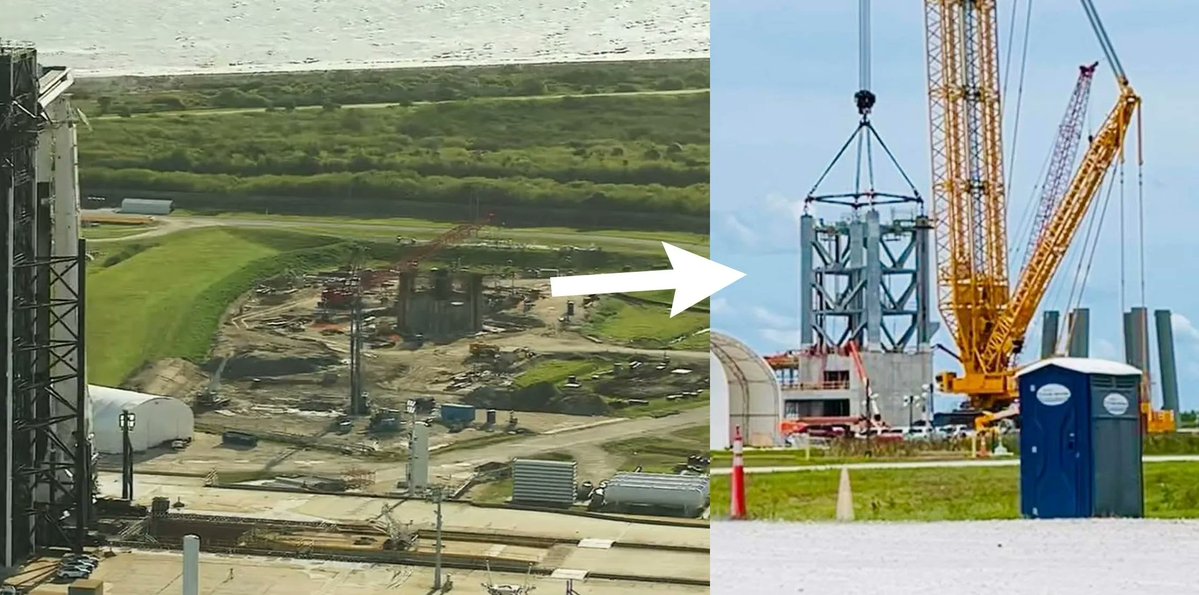
SpaceX is now Constructing the Starship Launch Tower at Cape Canaveral
We could be just a few weeks away from the launch of the SpaceX Starship from Boca Chica, Texas. Already SpaceX is starting to build its launch facilities at the Kennedy Space Center in Cape Canaveral, Florida. The company began building the massive launch tower, which will eventually stand 146 meters tall. Construction crews learned lessons from their previous work in Texas, building the Florida launch tower more quickly and integrating all the launch hardware into the tower segments before they're erected.
Read the full story by Matt Williams
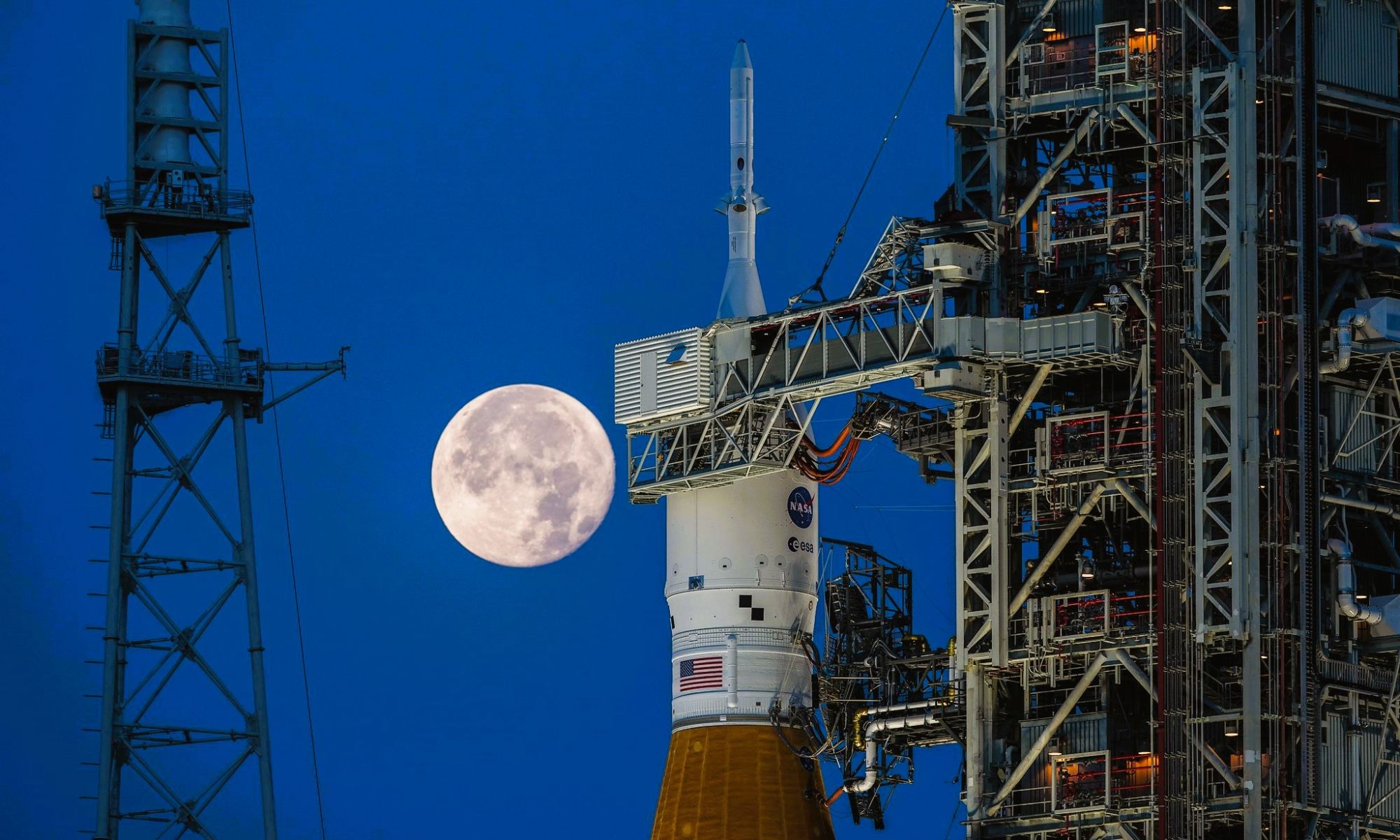
NASA Says It’s Satisfied With Rehearsal for SLS Moon Rocket Launch
NASA completed the 4th wet dress rehearsal for the Space Launch System this week, completely filling the rocket with fuel and staging a countdown. It was hoping to get down to the 9-second mark, but it stopped at 29 seconds. It didn't go perfectly, with a leak detected in its hydrogen fuel line. NASA will roll SLS back to the Vehicle Assembly Building for a few more fixes before it goes back out to the launch pad. It could launch as early as August 2022, unless there are more issues that push it to 2023.
Read the full story by Alan Boyle
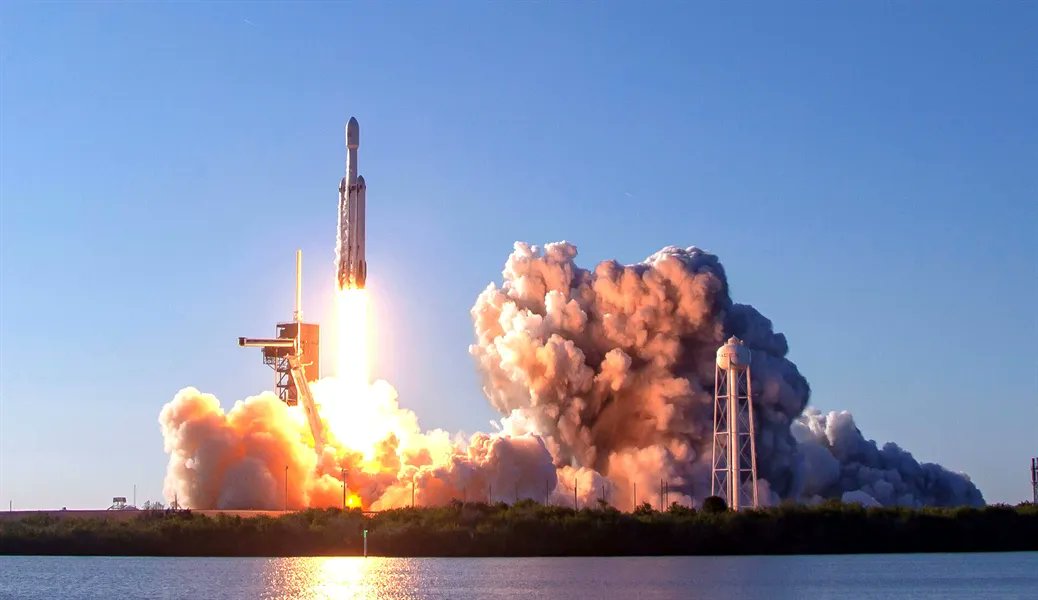
More Rocket Launches Could Damage the Ozone Layer
Rockets use a lot of gas, a lot. They also burn their fuel at a much higher altitude than airplanes, blasting through the upper layers of the atmosphere. Does this have any impact on the environment? According to a new study, an increase in rocket launches by a factor of ten could damage the ozone layer and change atmospheric circulation patterns. Rockets are the only way that humans can put particulates above the troposphere, and if we continue launching rockets, there could be consequences.
Read the full story by Laurence Tognetti
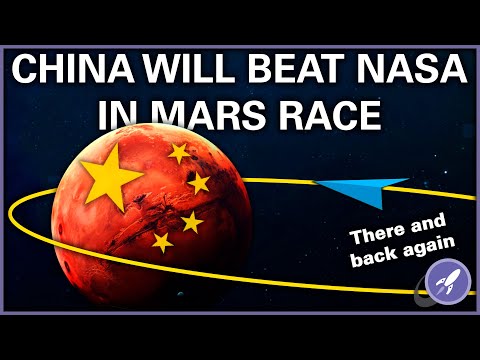
China VS NASA, SpaceX Breaking Records, Repeating FRB Mystery | Space Bites
SLS finally got through the Wet Dress Rehearsal (almost), Falcon 9s are setting new reuse records, China is about to beat NASA to Mars with a sample return mission, Charon's red spot explained, and more.
Other Interesting Space Stuff
- Huge Forest Fire Reaches the Kitt Peak Observatory
- The Internet is Flooded With Photos From Puzzled Skywatchers who saw the Recent SpaceX Launch
- NASA Funds the Development of a Nuclear Reactor on the Moon That Would Last for 10 Years
- InSight is Going to Science as Hard as it can Until it Runs out of Power
- Water Worlds Could Have Plumes of Nutrients Carried up From Down Below
- Amazing Flaky Martian Rocks Were Formed in a Stream or a Small Pond
- Giant Sunspot AR3038 has Doubled in Size and is Pointed Right at Earth. Could be Auroras Coming
- A new map of Mars, Made From 51,000 Orbital Images
- Tidal Heating Could Make Exomoons Much More Habitable (and Detectable)
- Remember That Rocket That was Going to Crash Into the Moon? Scientists Think They've Found the Crater
Amazing Astrophotography on @universetoday
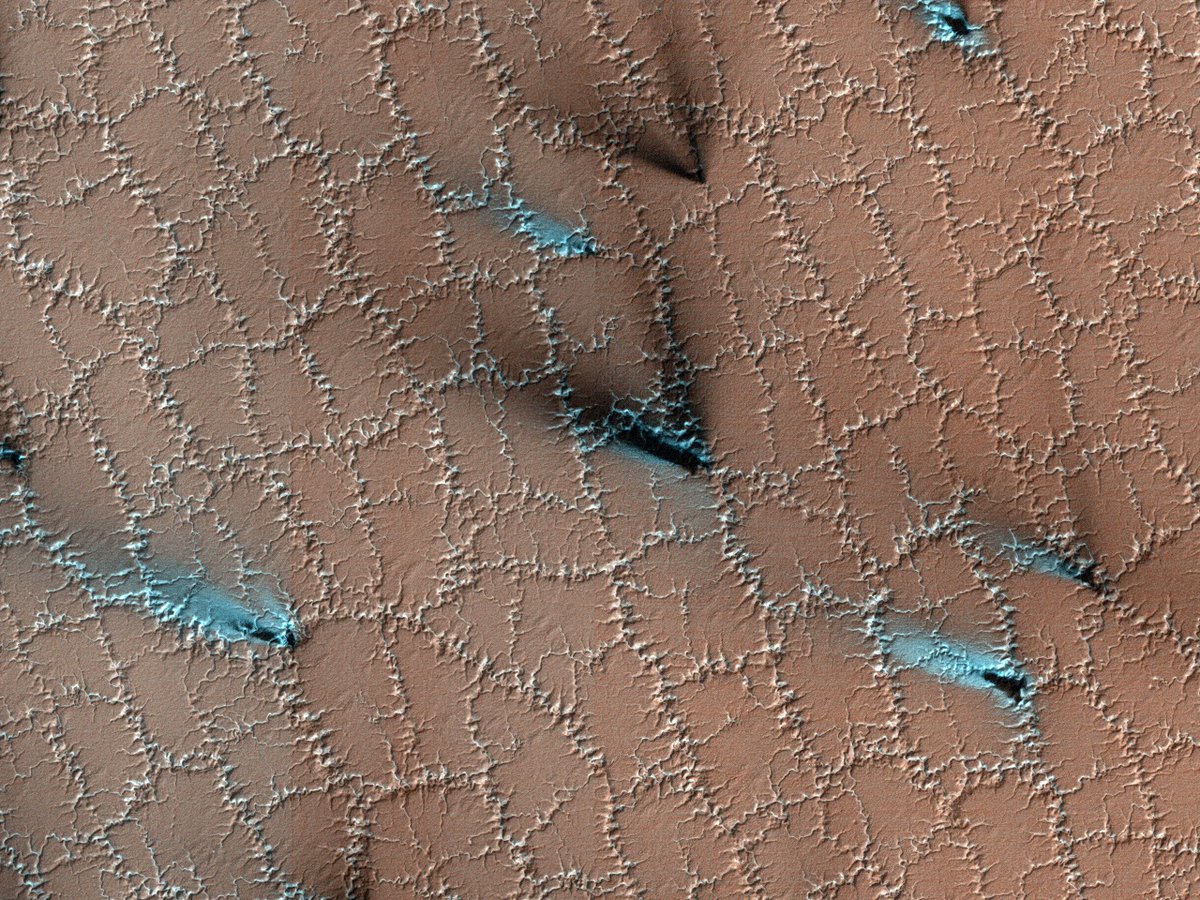
This Bizarre Terrain on Mars is Caused by Water Ice and Carbon Dioxide
From orbit, this landscape on Mars looks like a lacy honeycomb or a spider web. But the unusual polygon-shaped features aren’t created by Martian bees or spiders; they are actually formed from a ongoing process of seasonal change from created from water ice and carbon dioxide.
We have featured thousands of astrophotographers on our Instagram page, which has more than 200,000 followers. Want to do a takeover? Use the hashtag #universetoday and I'll check out your photos.
Find your way across the night sky. Choose a variety of astronomy gear. Follow the Moon and the planets. Find deep sky objects across the seasons in both hemispheres. Observe comets, asteroids, satellites and space stations. Learn to do astrophotography.
Get it on Amazon for only $18.89. Here are some other options.
Click here to Unsubscribe from this list.
Universe Today - #3400 333 Hunt Road - Courtenay, BC V9N 3R6 - Canada