
When the Artemis program brings humans back to the Moon, they will eventually stay, building up a research station on the lunar surface. They will need a lot of power to heat and cool the station, run their experiments and communications, and generate oxygen from local materials. They can't rely on solar energy since the Moon is in shadow for two weeks every month. NASA has paid three companies to develop plans for 40 kW fission reactors that could work on the surface of the Moon for ten years.
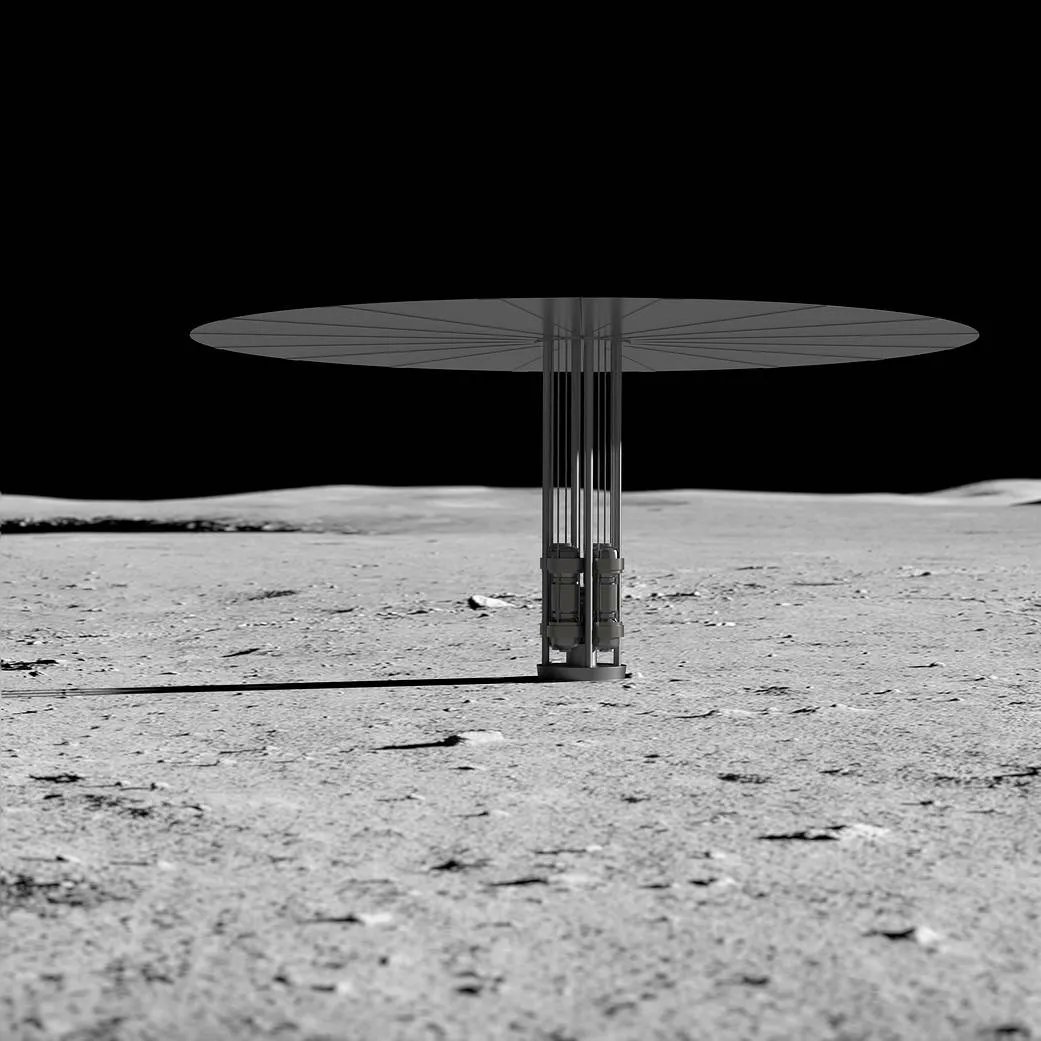
NASA Funds the Development of a Nuclear Reactor on the Moon That Would Last for 10 Years
Thanks!
Fraser Cain
Publisher
Universe Today
As always, if you have comments or questions, or suggestions on how I can improve this newsletter, please don't hesitate to reply this email or email me at [email protected].

This work is licensed under a Creative Commons Attribution 4.0 International License.

Patrons, don't forget to log in to Universe Today. That'll remove all the ads for you. Join the 1073 Patrons who get our videos early, see behind the scenes, and get no ads on Universe Today.

Medical Emergencies on the ISS, White Dwarf VS Red Dwarf, True Color of SLS | Q&A 189
In this week's Questions and Answers show, I explain how astronauts are trained to deal with medical emergencies if the Universe is expanding smoothly or chaotically, and what would survive longer, a white dwarf or a red dwarf?
Subscribe to our podcasts:
Universe Today Guide to Space Audio: iTunes - RSS - YouTube
Audio versions of all the media I upload to my YouTube channel, as well as bonus content, behind the scenes, interviews with Fraser and more
Astronomy Cast: iTunes - RSS - YouTube
Your weekly facts-based journey through the cosmos, which I co-host with astronomer Dr. Pamela Gay. We have episodes on every concept in space and astronomy, from black holes to the history of astronomy.
Weekly Space Hangout: iTunes - RSS - YouTube
A weekly round-up of all the breaking space news. Rocket launches, new discoveries from Hubble, and planetary science by a round table of scientists and space journalists.
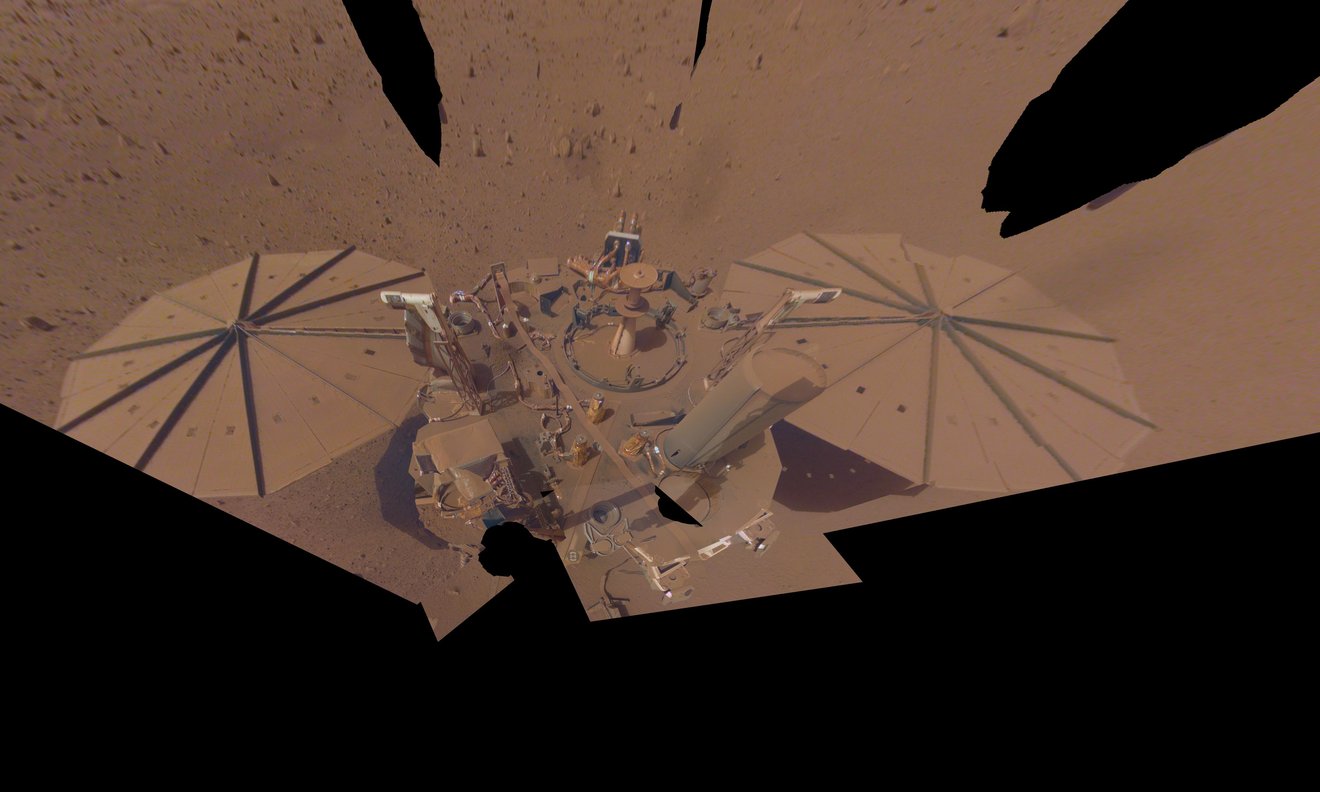
Despite its Draining Power, NASA’s InSight Mars Lander is Determined to Squeeze as Much Science as it can Until the Very Last Moment
NASA's InSight Lander is running out of power and will need to shut down in the next couple of months. Engineers have decided to squeeze as much science as possible from the mission before it's entirely out of juice. If they shut off its seismometer, InSight could probably last until December. Instead, NASA has decided to keep its instrument running, which will drain its batteries by August or early September. It could catch a few more marsquakes in these final months.
Read the full story by Laurence Tognetti
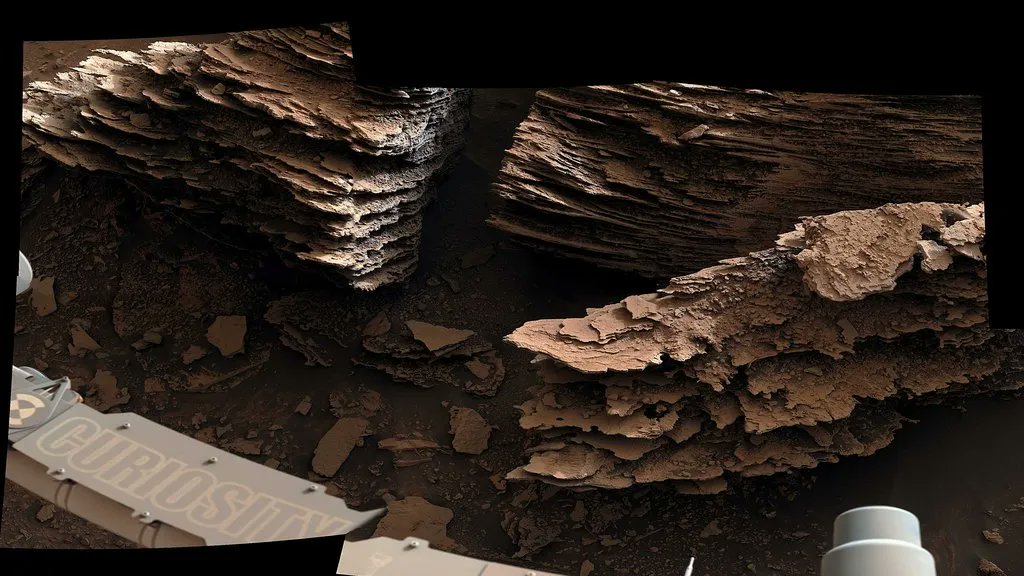
Amazing Flaky Martian Rocks Were Formed in a Stream or a Small Pond
Curiosity has found evidence of past water on Mars many more times. But this flaky rock screams, "water was here." It's likely made up of sedimentary layers of material that were slowly accumulated at the bottom of a small pond or stream. Water and wind eroded material away, leaving these carved structures. On Earth, they'd be the perfect place to search for fossils. Curiosity is slowly climbing the flanks of an ancient crater on Mars, building up the story of water on the Red Planet.
Read the full story by Matt Williams
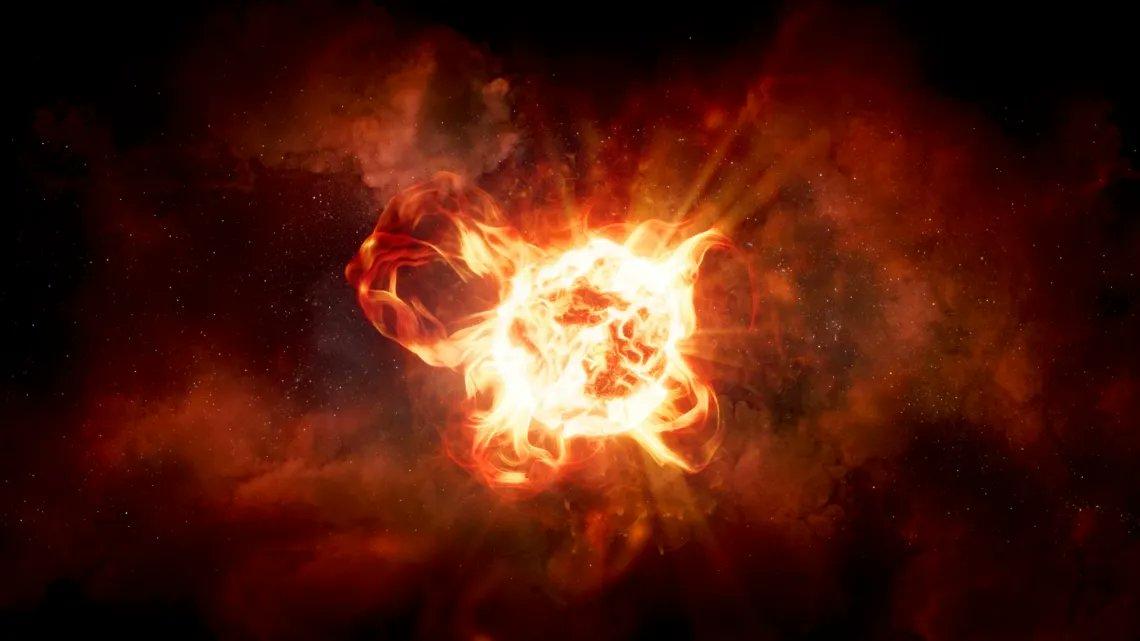
VY Canis Majoris is Dying, and Astronomers are Watching
Forget Betelgeuse; the giant star votest "most likely to explode" is VY Canis Majoris. This red hypergiant is believed to be the largest star in the Milky Way and is in the final stage of its evolution. The next stop: a supernova. It's relatively close, about 3,000 light-years from Earth, and is blasting its material off into space. It could explode tomorrow, and it might not explode for a million years, but astronomers are gathering vital data to understand the final moments of a giant star's life.
Read the full story by Andy Tomaswick
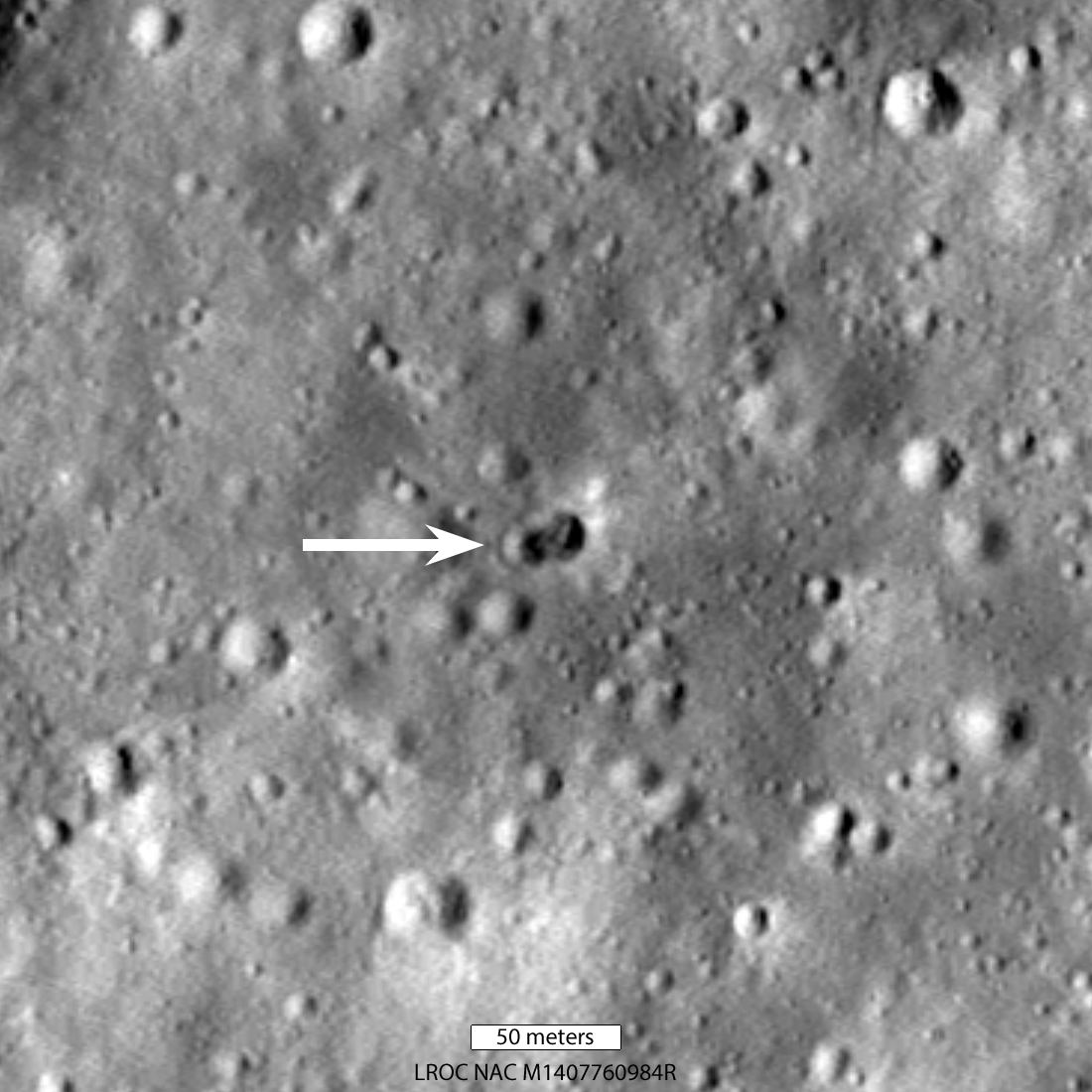
Remember That Rocket That was Going to Crash Into the Moon? Scientists Think They've Found the Crater
Earlier this year, we reported that a booster rocket was on a collision course with the Moon and was about to carve out a new crater. The booster was initially identified as a SpaceX booster from NASA's DSCOVR mission and then as the booster from China's Chang'e-5 mission. The object crashed into the Moon, as predicted, and a new image reveals a rare double crater. It's believed that the spacecraft broke up through tidal forces with the Moon, creating the double impact.
Read the full story by Scott Alan Johnston
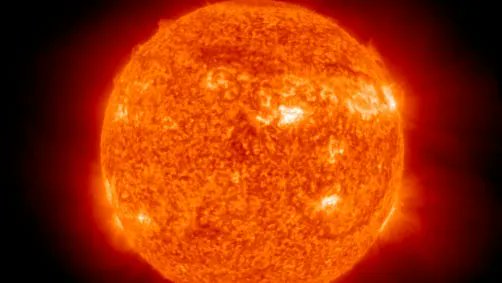
Giant Sunspot AR3038 has Doubled in Size and is Pointed Right at Earth. Could be Auroras Coming
The Sun's activity is steadily increasing as it moves towards the time of solar maximum. This means sunspots, coronal mass ejections, solar flares... and auroras here on Earth. A giant sunspot region suddenly doubled in size and was oriented directly towards the Earth. If it had released a flare, we could have seen increased aurora activity on Earth. It didn't and has now rotated away from us, but other sunspots will be facing us soon, so get ready to see the Northern Lights (or Southern Lights).
Read the full story by Andy Tomaswick
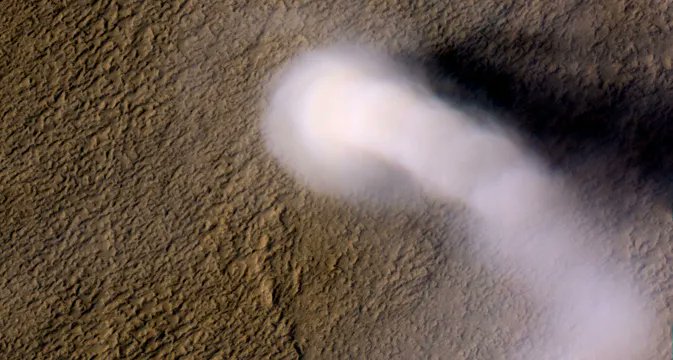
Dust Devils and Strong Winds Produce the Constant Haze on Mars
Mars doesn't have much atmosphere, but there's always a thin haze in the sky. Where does it come from? A new study suggests that a combination of strong winds and dust devils can kick fine particulates into the atmosphere, where they can blanket the planet. NASA's Perseverance rover is in the heart of dust devil country, located in Jezero Crater on Mars. The rover sees an average of hour dust devils a day zipping past, and it has been able to measure the dust content in the mini-twisters.
Read the full story by Andy Tomaswick
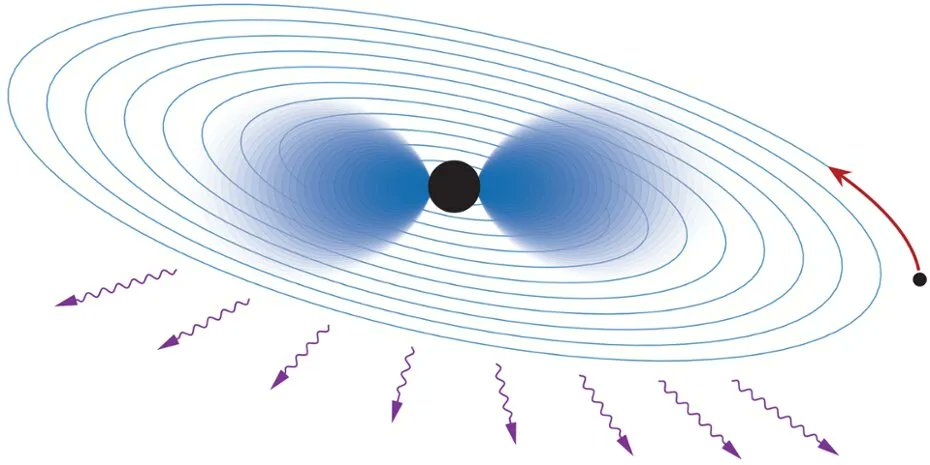
We Could Discover new Kinds of Particles Around Black Holes Through Gravitational Waves
The hunt for dark matter continues. With new theories for what dark matter could be made of, astronomers have proposed new methods to search for it. If dark matter is a form of ultralight bosons, they could be detected as they orbit stars using gravitational waves. When black holes are about to merge, it's theorized that they can release energy that forms clouds of these ultralight bosons. The presence of these particles could change how the black holes merge, which would be detectable through gravitational waves.
Read the full story by Matt Williams
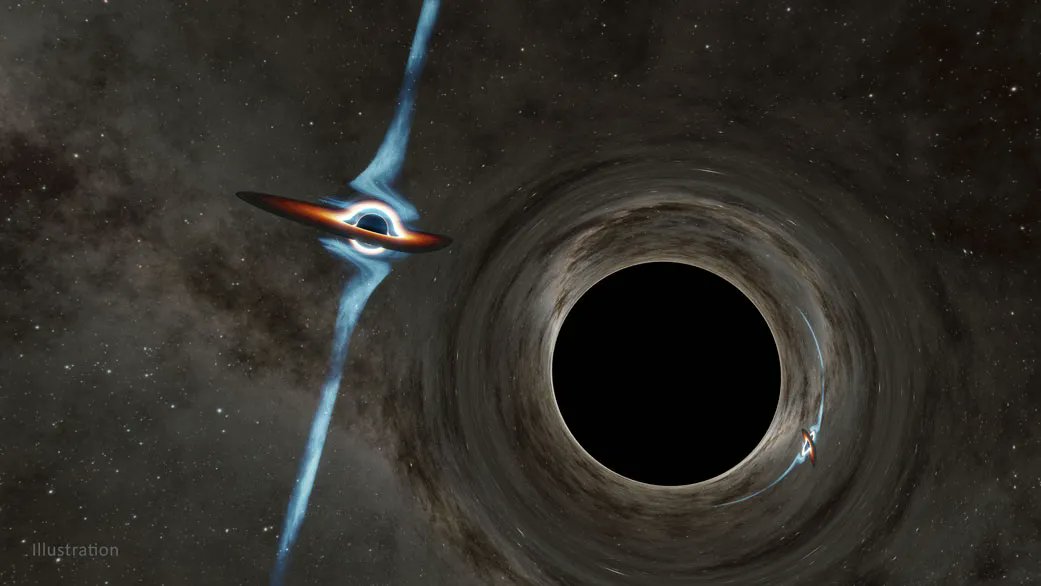
Gaia Could Detect Free-Floating Black Holes Passing Near Stars in the Milky Way
ESA's Gaia mission amazes us with its ability to map out the stars in the Milky Way. Beyond stars, it has found asteroids, quasars, galaxies, and much more. Astronomers are now suggesting that it could even be used to find rogue black holes wandering through the Milky Way. As black holes travel through space, they could perturb the positions of stars so much that they might be detectable by Gaia. It's unlikely any will turn up in the current observing run, but with more time, they should turn up.
Read the full story by Andy Tomaswick
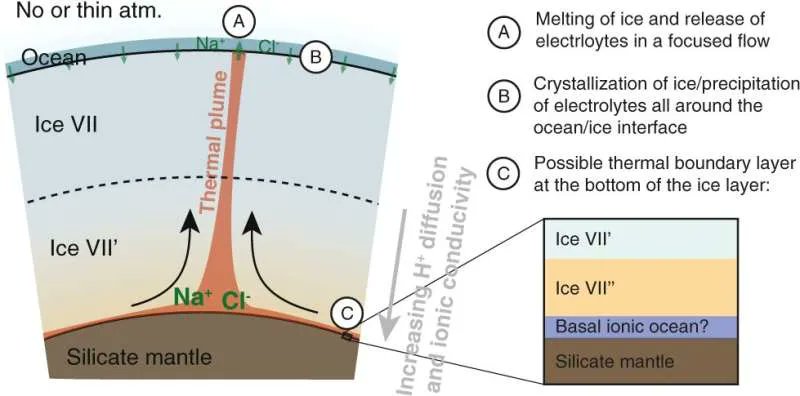
Water Worlds Could Have Plumes of Nutrients Carried up From Down Below
The Earth's seas contain salts and other nutrients from the land and the ocean floor. But astronomers think there could be waterworld planets where the oceans are dozens or even hundreds of kilometers deep. Under immense pressure, the water turns into exotic forms of ice that could block material flow. Is there a way that life-enabling nutrients could reach the sunlight at the ocean's surface? According to a new study, thermal plumes could rise from the bottom of the sea, carrying nutrients through denser forms of ice and water, reaching the surface and supplying life with food.
Read the full story by Evan Gough
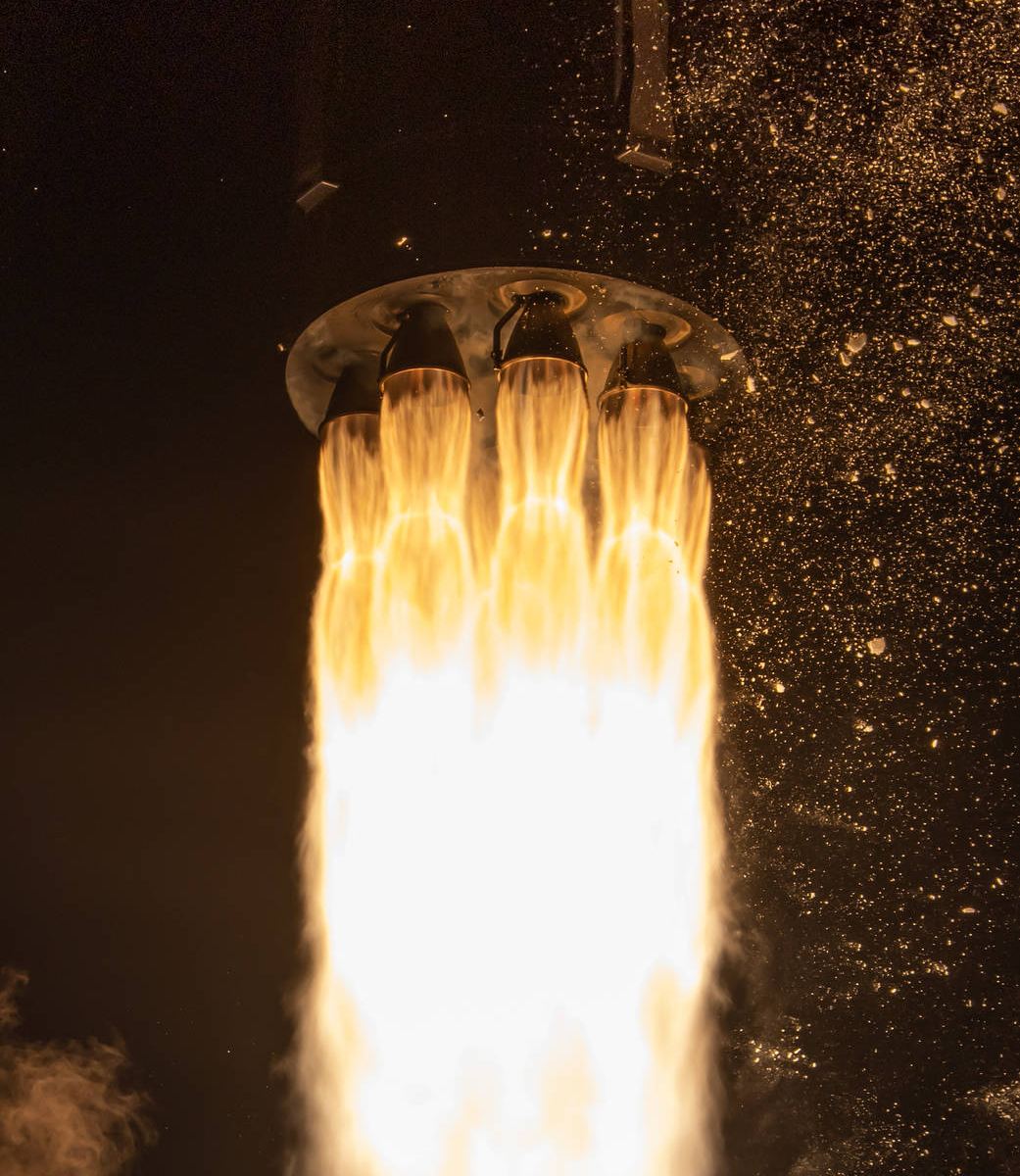
Rocket Lab Launches NASA’s CAPSTONE Mission to the Moon
A new NASA CubeSat was launched this week on top of a Rocket Lab Electron rocket. The mission is called the Cislunar Autonomous Positioning System Technology Operations and Navigation Experiment, or CAPSTONE. Its purpose is to travel the same orbit near the Moon that the upcoming Lunar Gateway will take. This will help NASA understand if the orbit is stable and as helpful as they're hoping, allowing astronauts to reach the surface of the Moon safely with less energy.
Read the full story by Nancy Atkinson
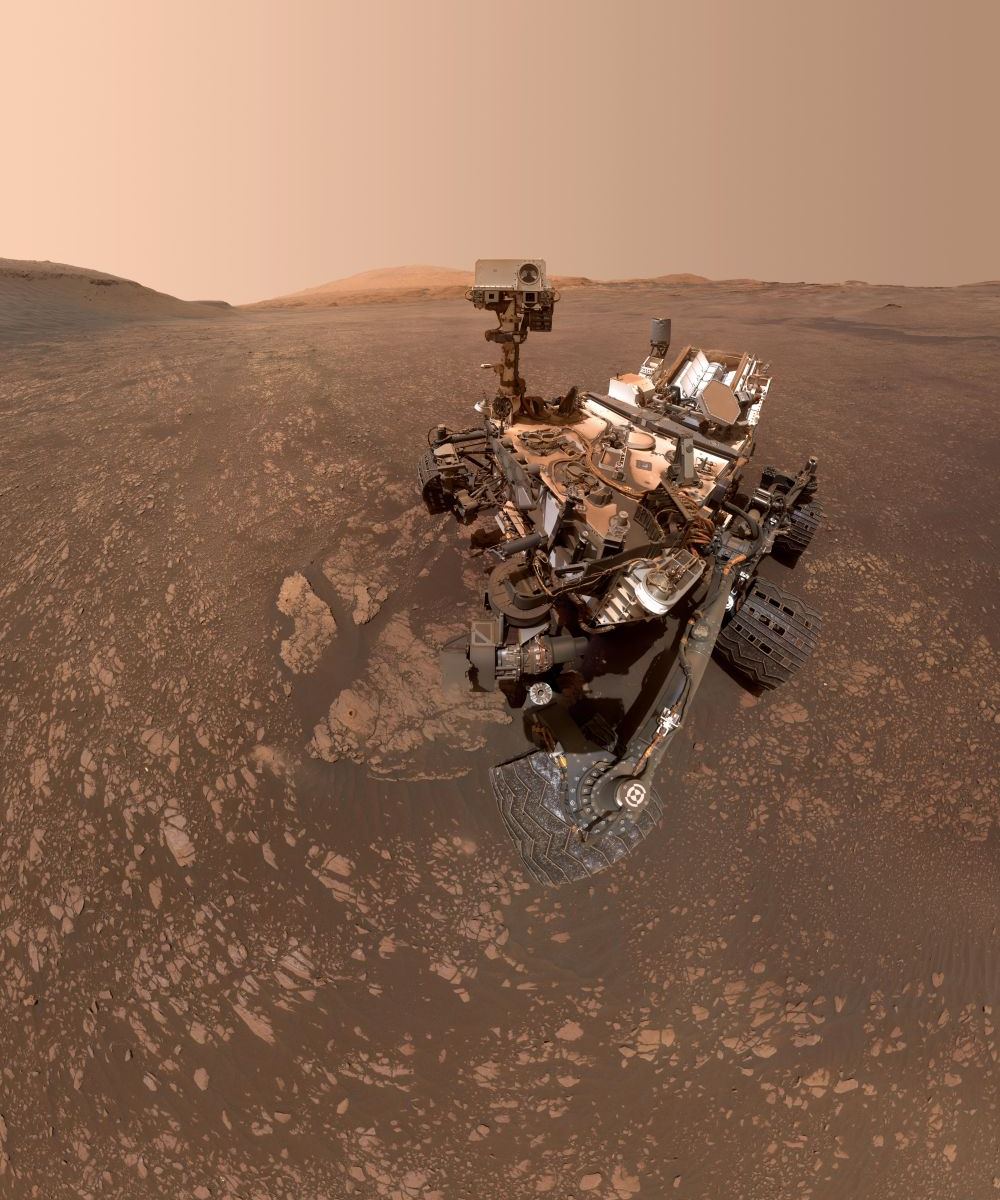
Curiosity Finds Life-Crucial Carbon in Mars Rocks
Mars is a dead desert today, but did it once have the conditions for life? NASA's Curiosity Rover recently discovered that rocks on Mars seem to be a source of organic carbon, which is one of the building blocks of life. They found at least 200 to 273 parts per million of organic carbon, similar to the amount found in very low-life places on Earth like the Atacama Desert in South America. This is also more than what was found in the Mars meteorites discovered on Earth.
Read the full story by Carolyn Collins Petersen
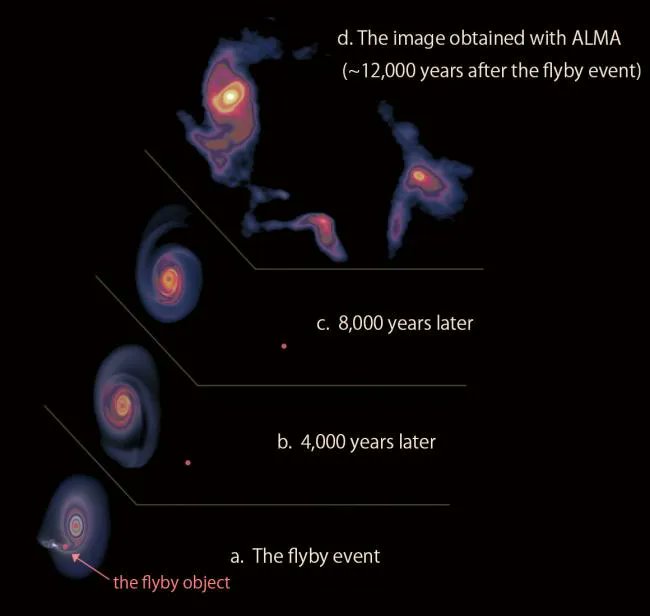
A Star has Grown Spiral Arms
Astronomers using the ALMA Observatory have discovered a surprising star that seems to have grown two spiral arms. This is the kind of structure you'd expect to see in a galaxy, but not an individual star. How did it grow these arms? It's believed that the young star was surrounded by an accretion disk and had closely interacted with another object in the recent past. The flyby disrupted the star's accretion disk, spinning out these spiral arms. It'll be interesting to see what impact this might have on any forming planets.
Read the full story by Nancy Atkinson
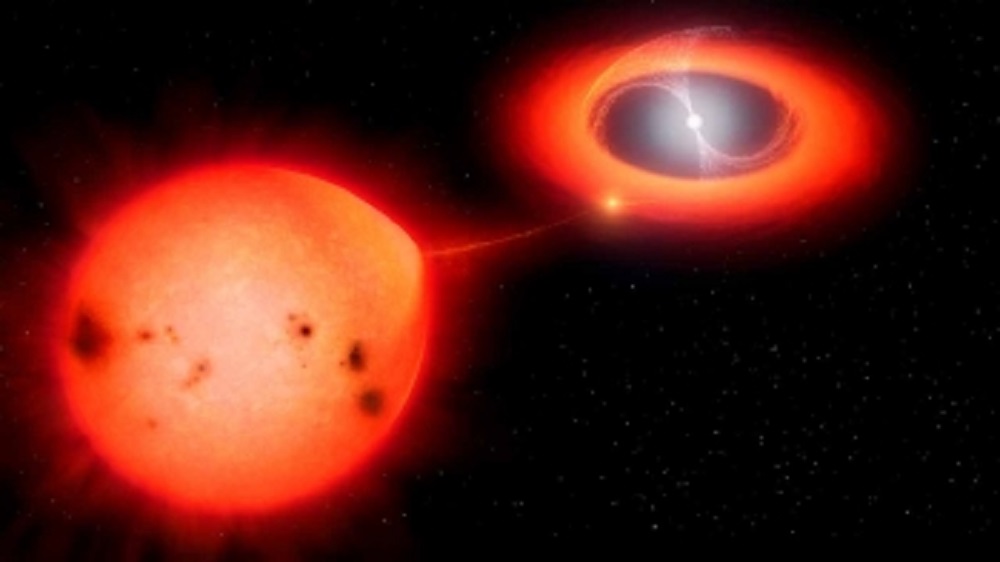
Record ‘Fast Nova’ Flares Over a Single Day
Sometimes a white dwarf star can brighten suddenly, even visible without a telescope. This is a nova, and it happens because the white dwarf is feeding on a binary companion. Material piles up on the surface of the white dwarf, reach a critical mass and explodes. Then the cycle happens again. Typically these novae flare up and then fade away over days and even weeks, but astronomers have observed a nova that flared up and then faded all within a single day.
Read the full story by David Dickinson
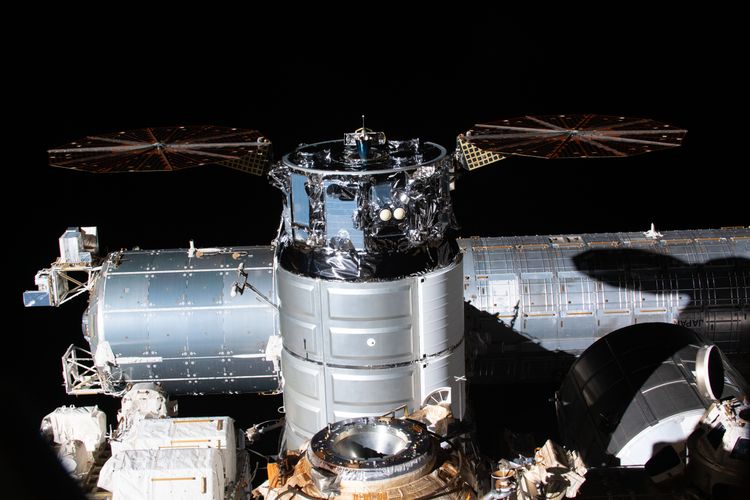
Cygnus Boosts the International Space Station for the First Time. NASA Can Now Potentially Keep the Station Aloft Without Russia’s Progress Spacecraft
A Northrop Grumman Cygnus cargo spacecraft recently detached from the International Space Station, carrying garbage away. Before it left, though, it was able to boost the orbit of the ISS. Usually, this maneuver is done by the Russian Zvezda module or spacecraft attached to the station. This demonstrated that the US could keep the station aloft as well, so it's not reliant on Russia anymore, who has even threatened to let the station crash uncontrollably into the Earth.
Read the full story by Nancy Atkinson

A New Map of Mars, Made From 51,000 Orbital Images
NASA's Mars Reconnaissance Orbiter has been at the Red Planet since 2006, imaging its surface with a powerful suite of instruments. One of these is the Compact Reconnaissance Imaging Spectrometer (CRISM), which makes maps of minerals on the Martian surface. Unfortunately, CRISM has run out of coolant and can only record a fraction of the data it once could. NASA is releasing a surface mineral map of Mars made up of 51,000 separate images taken by CRISM.
Read the full story by Evan Gough
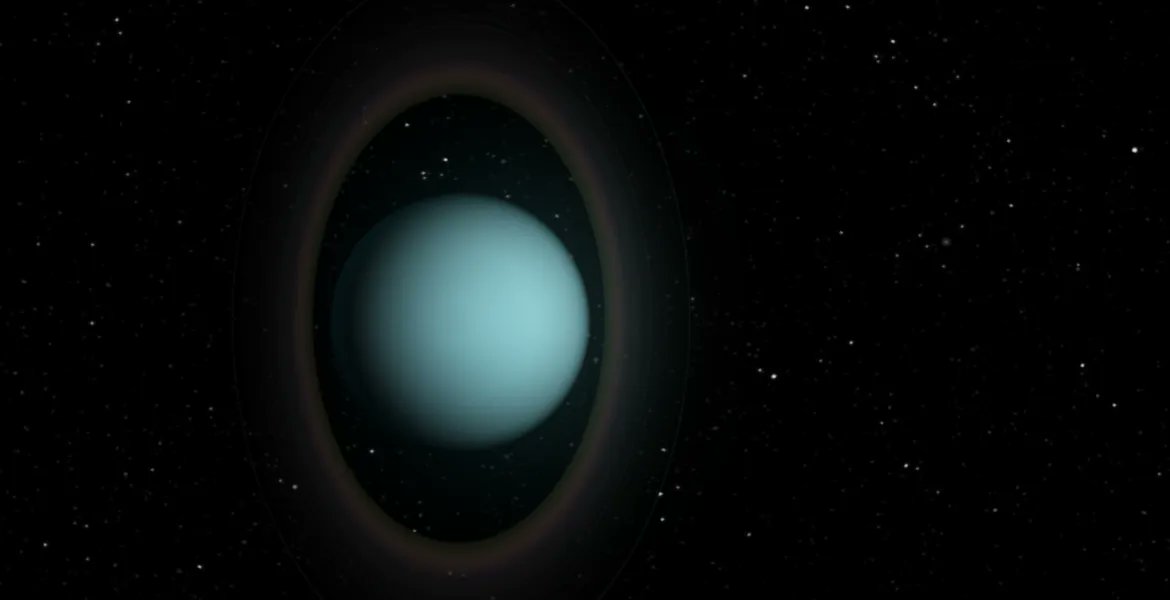
The Rings of Uranus and Neptune Could Help map Their Interiors
It's tricky to measure the interiors of planets. On Earth, we can use seismometers to measure how earthquakes ripple through the planet's interior. But what about other worlds. Astronomers have used the rings of Saturn and Jupiter to act like natural seismometers, allowing them to probe their interior structures. In a new study, astronomers have proposed a similar technique to probe the interiors of the ice giants Uranus and Neptune.
Read the full story by Andy Tomaswick
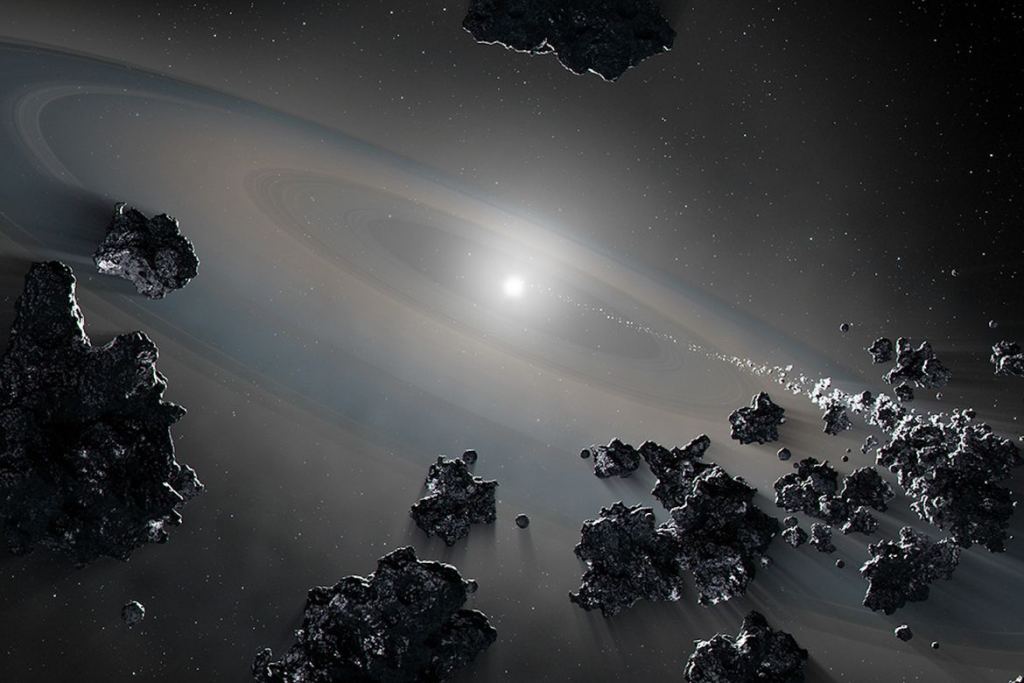
A Dying Star’s Last Act was to Destroy all Its Planets
Astronomers studying a nearby white dwarf star have discovered that it's busy consuming the last remnants of whatever planetary system it once had. White dwarfs are the final stage of main sequence stars like our Sun. They run out of fuel, bloating up as red giants, and blast away their outer layers. The core of the star is now exposed to space and slowly cools down to the background temperature of the Universe. These recent observations show that even if planets survive the red giant phase, their star might still keep them on the menu.
Read the full story by Carolyn Collins Petersen
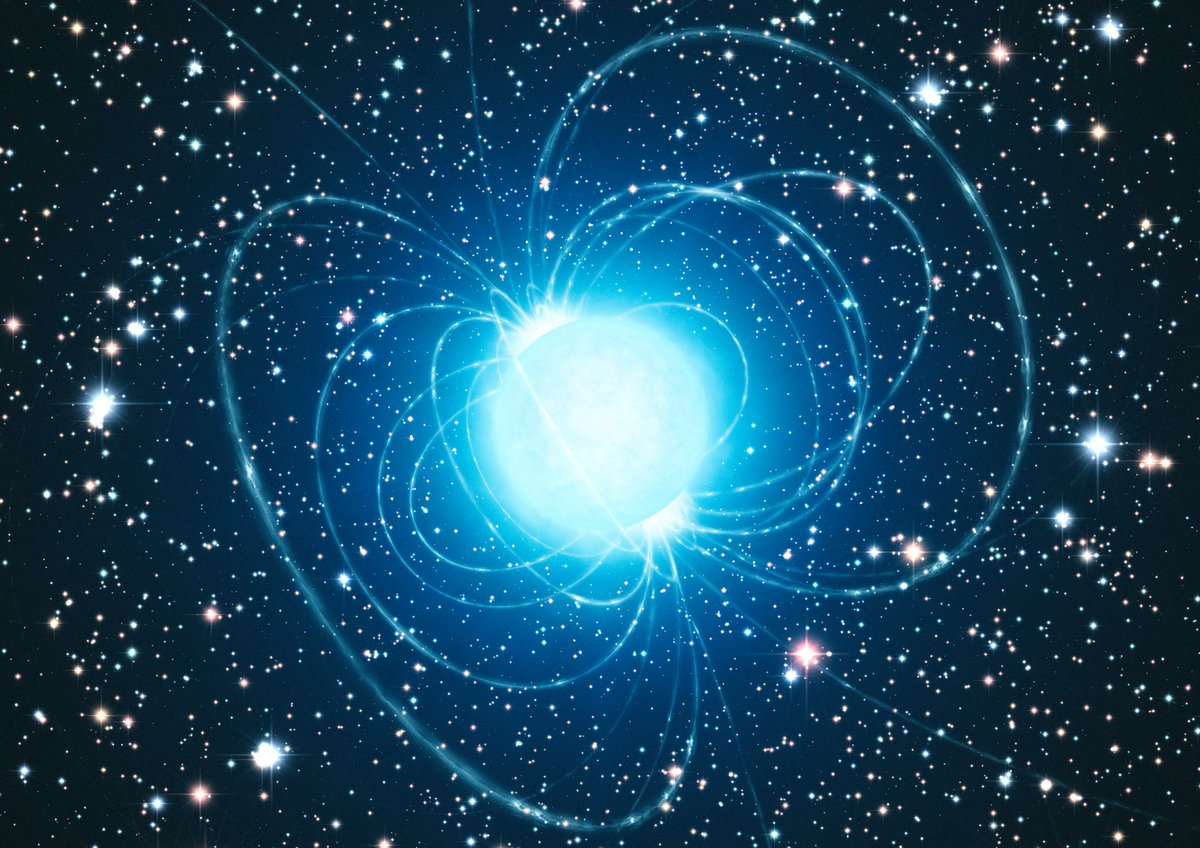
The Case is Building That Colliding Neutron Stars Create Magnetars
Magnetars defy comprehension. These exotic objects can have magnetic fields which are hundreds of millions of times more powerful than anything we can generate here on Earth. Astronomers know they're neutron stars, but they rotate less rapidly than pulsars. But one has been found that spins 750 times a second. It's believed this is a brand new magnetar and could have only gotten spinning this quickly through the collision of two neutron stars. Maybe this is how magnetars form.
Read the full story by Andy Tomaswick
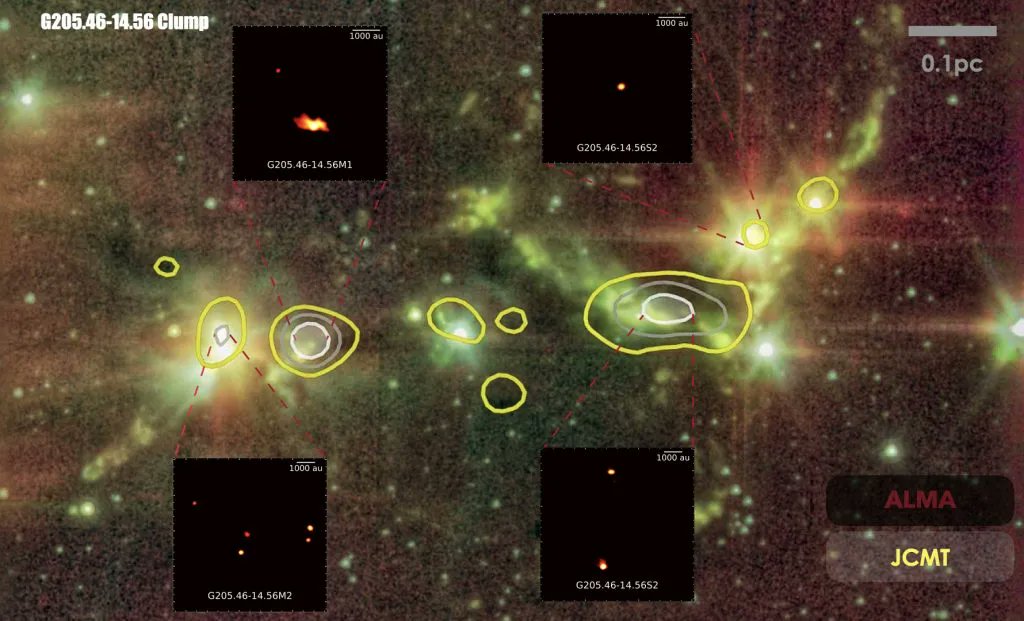
This is How You Get Multiple Star Systems
Although the Sun is a single star, many stellar systems contain two or more stars in orbit around each other. What conditions cause these multiple star systems to arise? Astronomers studied the enormous Orion Molecular Cloud Complex in the nearby Orion Nebula. They mapped out the density of gas and dust in the regions where multiple star systems were forming. They found that the cores of nebulae with multiple star systems were much more turbulent than single star regions.
Read the full story by Evan Gough

Red Supergiant Stars Bubble and Froth so Much That Their Position in the Sky Seems to Dance Around
Red supergiants are monsters. They can be 700 to 1000 times the size of the Sun but are much cooler, appearing reddish in visible light but much brighter in infrared. They're highly variable, with a surface that churns with convective cells, making it difficult to pin down their precise location. Because their surface changes so dramatically, their exact spot in the sky appears to wobble around. New research is learning how to overcome these challenges and measure the stars more accurately.
Read the full story by Carolyn Collins Petersen
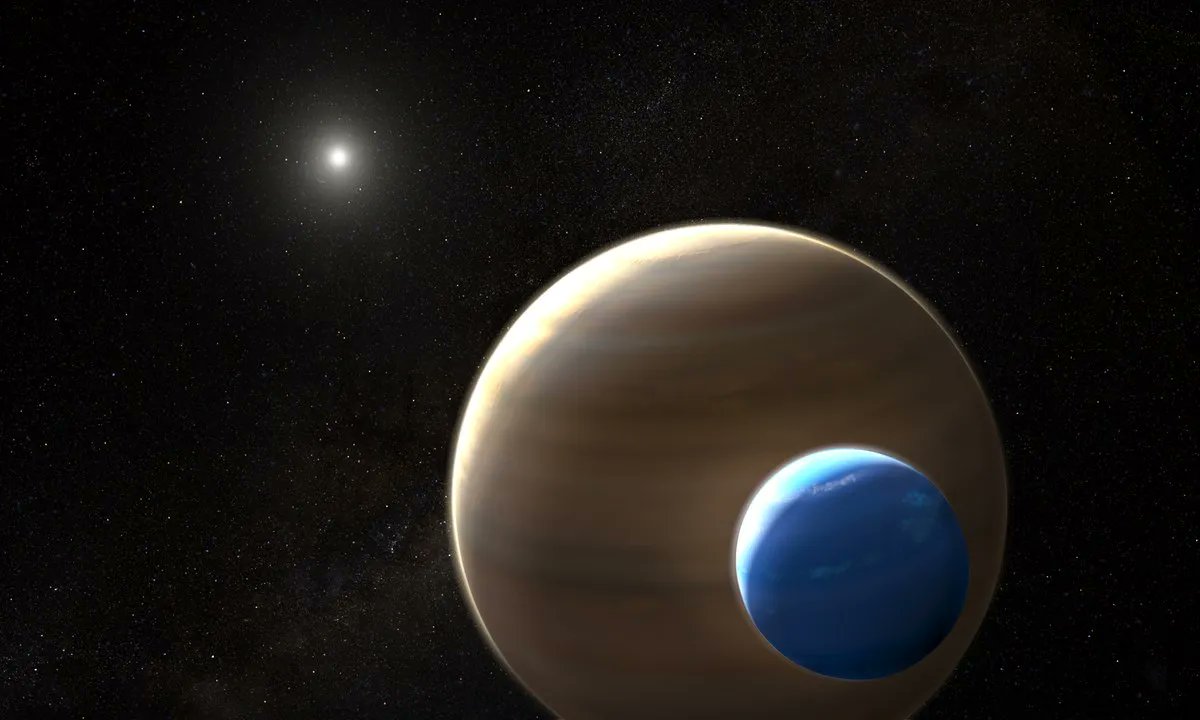
Tidal Heating Could Make Exomoons Much More Habitable (and Detectable)
Astronomers have confirmed over 5,000 exoplanets. Some of these worlds must have moons, right? So far, we have no definitive evidence of exomoons, just some tentative hints. A new study suggests that we could detect exomoons through tidal interactions with their planets. This tidal heating can be extreme; just look at Jupiter's moon Io, the most volcanic place in the Solar System. The most extreme exomoons could get much hotter than Io, blazing in infrared light compared to their planet.
Read the full story by Matt Williams
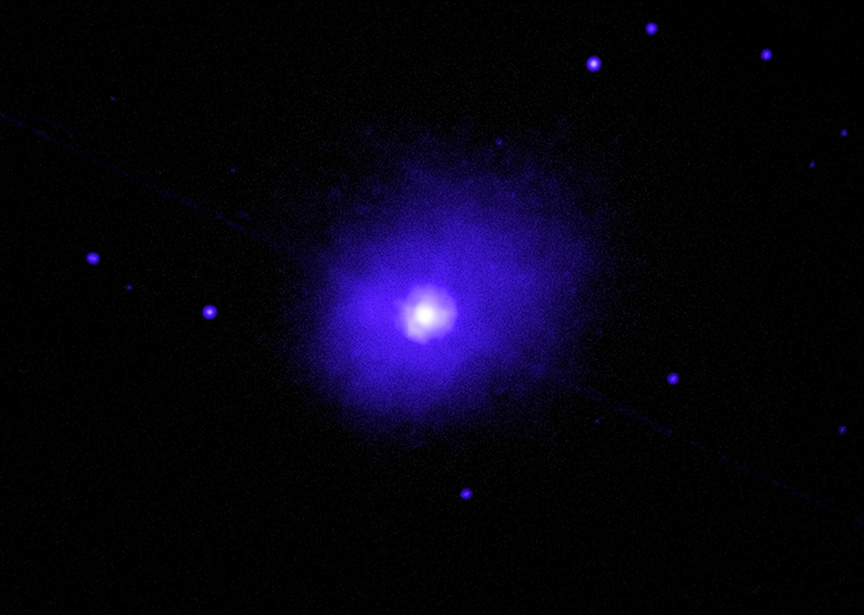
Most Black Holes Spin Rapidly. This one… Doesn’t
Astronomers now suspect there are supermassive black holes lurking at the hearts of most galaxies. As these monster black holes consume material, they spin faster and faster, eventually turning at relativistic speeds. Astronomers have found one black hole that seems to be turning surprisingly slowly, about half the rate of other black holes with the same mass. It's possible the black hole had its outer accretion disk disrupted in a collision, which sent its gas out in random directions and slowed down its spin rate.
Read the full story by Carolyn Collins Petersen
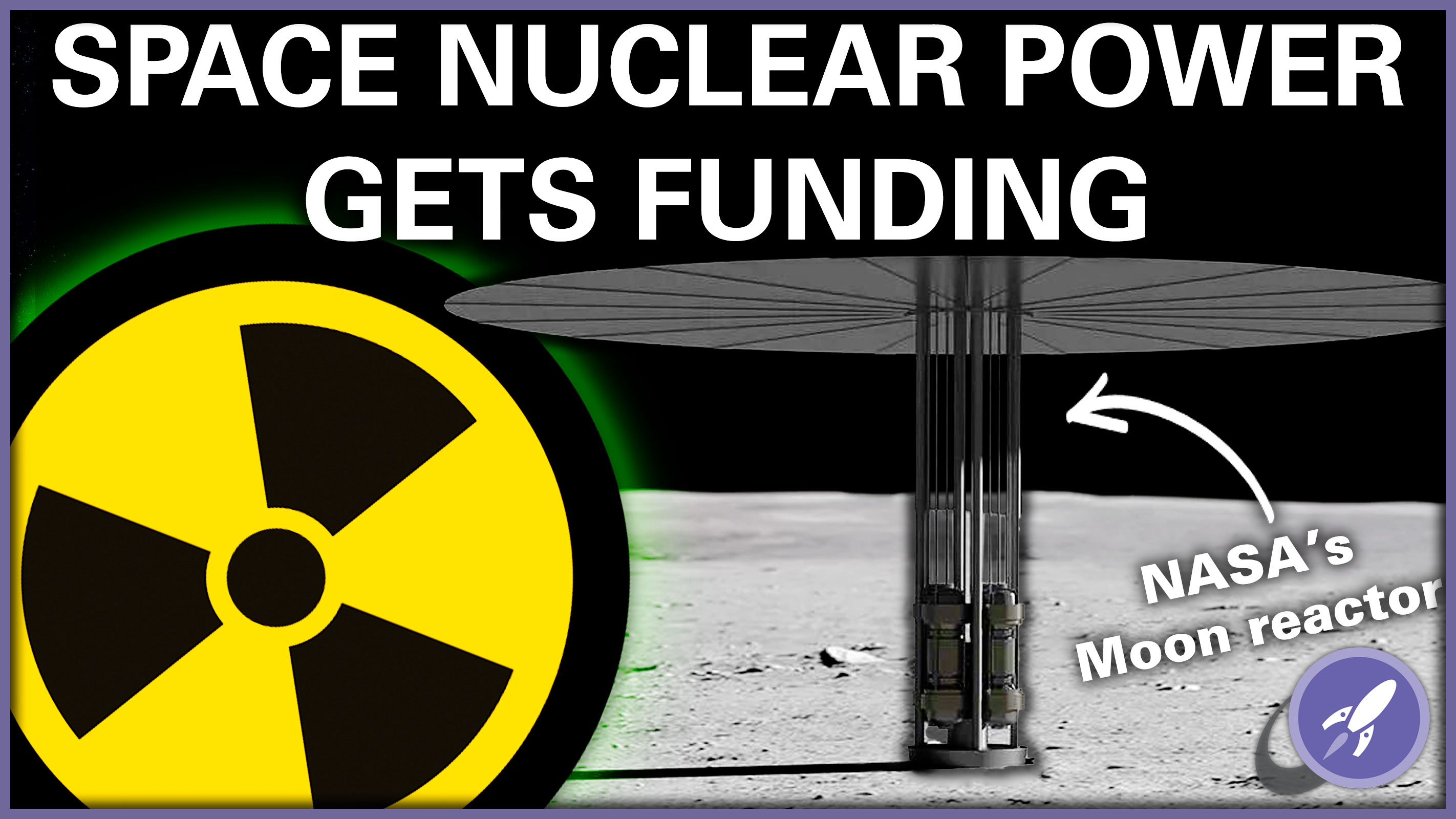
Mystery Rocket Crash Site Found, ISS Independence From Russia, Space Nuclear Power | Space Bites
NASA teases JWST images, Rocket Lab launches CAPSTONE, mystery rocket's crash site found on the Moon, how magnetars are created, ISS gets more independent from Russia and more.
Other Interesting Space Stuff
- Mars Rovers Will Need to dig Deeper if They Want to Find Evidence of Life
- Rocket Lab Launches NASA's CAPSTONE Mission to the Moon
- Mars Rocks Could Feed Bacterial Life the Same as the Driest Deserts on Earth
- China is Considering a Nuclear-Powered Mission to Neptune
- The Most Threatening Asteroid Just got Downgraded to "Harmless". No Impact in 2052
- A Swarm of Swimming Robots to Search for Life Under the ice on Europa
- The Solar System is Stable for at Least the Next 100,000 Years
- Most Black Holes Spin Rapidly. This one... Doesn't
- These Ancient Microbes Give a Glimpse of What Extraterrestrial Life Might Look Like
- It Would Take About 100 Billion Years for Another Star to Pass Close Enough to Make the Solar System Unstable
- Astronomer Working With Webb Said the new Images "Almost Brought him to Tears". We'll see Them on July 12th
- NASA’s new Balloon-Based Observatory Will fly 40 km Above Antarctica Mapping the Universe in Infrared
- China's Tianwen-1 has Imaged the Entire Surface of Mars, Completing its Primary Mission
- The Earliest Galaxies Rotated Slowly, Revving up Over Billions of Years
- If There's an Interstellar Communications Network in the Milky Way, we Should be Able to Find it
- Gravitational Wave Telescopes Could Detect Clumps of Dark Matter Drifting Through the Solar System
- Engineers Build a gun That can Fire Projectiles at 10 km/s, Simulating High-Speed Space Debris Impacts
- Many Astronauts Never Recover Their Bone Density After Returning to Earth
Amazing Astrophotography on @universetoday
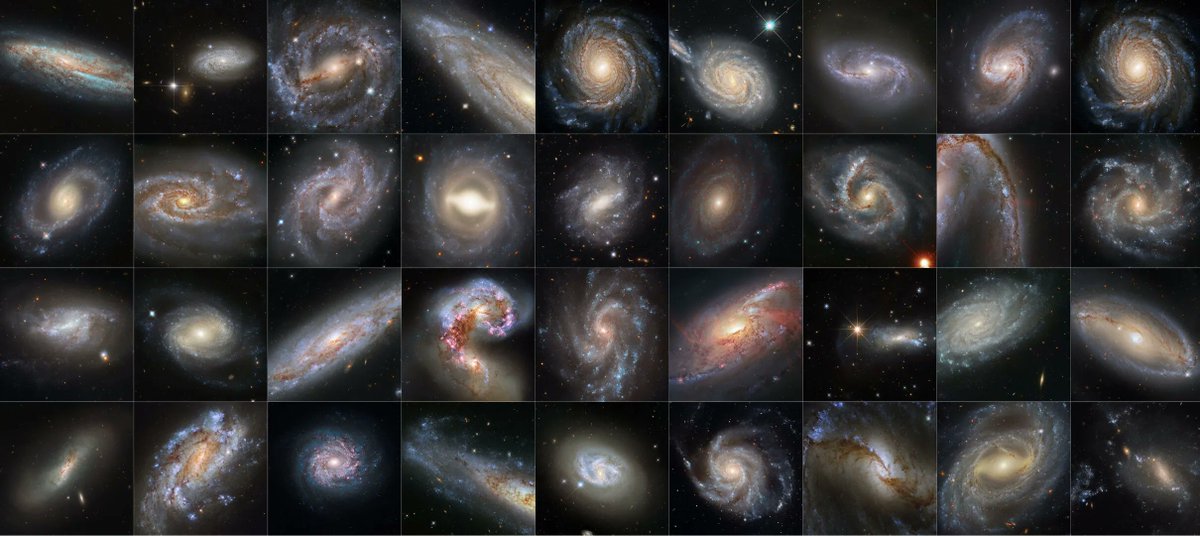
Supernovae Were Discovered in all These Galaxies
Astronomers have shared a new collection of images from the Hubble Space Telescope. They're spiral galaxies that have one thing in common; all of these galaxies hosted a supernova within the last 40 years and contained a Cepheid variable. Thirty-six of these supernovae are Type 1a variants, which explode with the same amount of energy every time. These two astronomical objects allow astronomers to measure distance in the Universe, and by having both in the same galaxy, they can calculate the galaxy distance using two different methods.
We have featured thousands of astrophotographers on our Instagram page, which has more than 200,000 followers. Want to do a takeover? Use the hashtag #universetoday and I'll check out your photos.

Find your way across the night sky. Choose a variety of astronomy gear. Follow the Moon and the planets. Find deep sky objects across the seasons in both hemispheres. Observe comets, asteroids, satellites and space stations. Learn to do astrophotography.
Get it on Amazon for only $18.89. Here are some other options.
Click here to Unsubscribe from this list.
Universe Today - #3400 333 Hunt Road - Courtenay, BC V9N 3R6 - Canada